

Park · Liverpool · ⭐ 9.1/10 · 1298 reviews · updated: 2026-08-04 20:22:05
Address: Devonshire Rd, Liverpool L8 3TZ, United Kingdom
Princes Park — the Paxton park that changed how cities build green space
Of all Liverpool’s Victorian parks, this is the one with the strongest claim on world history. It was Joseph Paxton’s first major park, and the ideas he tried out here — a serpentine lake, a sweeping carriage drive, and a fringe of building plots paying for the whole thing — went on to shape Birkenhead Park and, through it, the public parks of North America. Today it is a working local park in Toxteth rather than a museum piece: dog walkers, anglers, a Saturday morning run and 3,000 trees planted by volunteers over the past decade. The grand bones are still entirely legible underneath.
Highlights
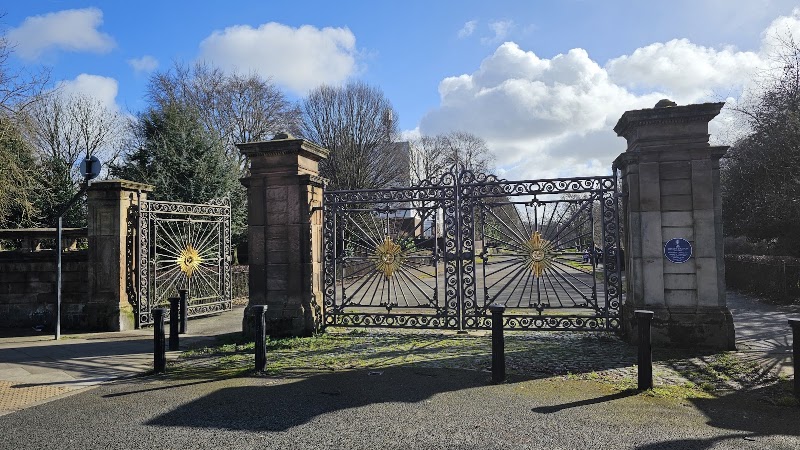
- The Sunburst Gates — original mid-nineteenth-century ironwork, restored and picked out in 23.5 carat gold leaf, and one of the finest pieces of park metalwork in the north of England.
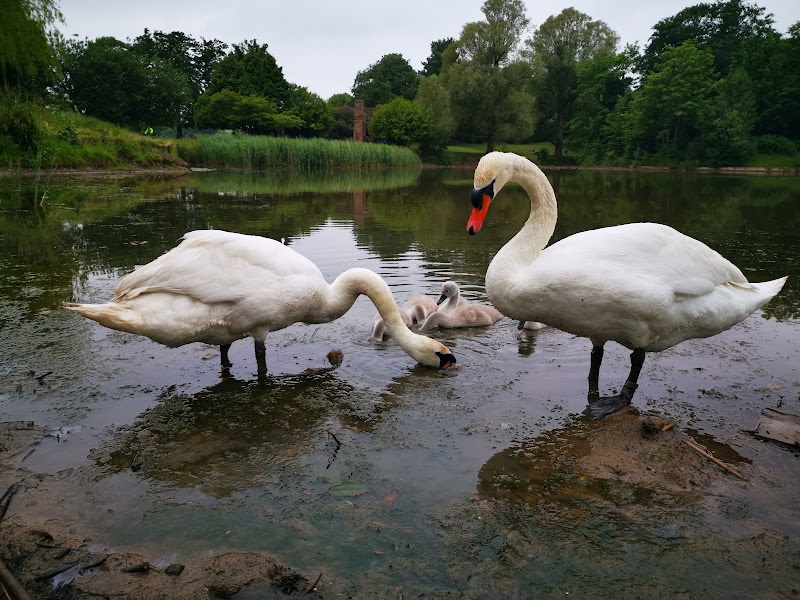
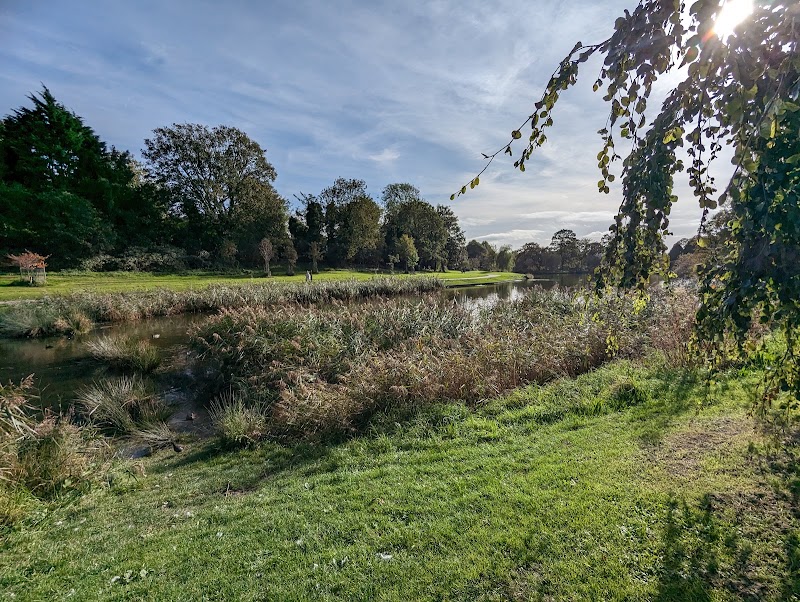
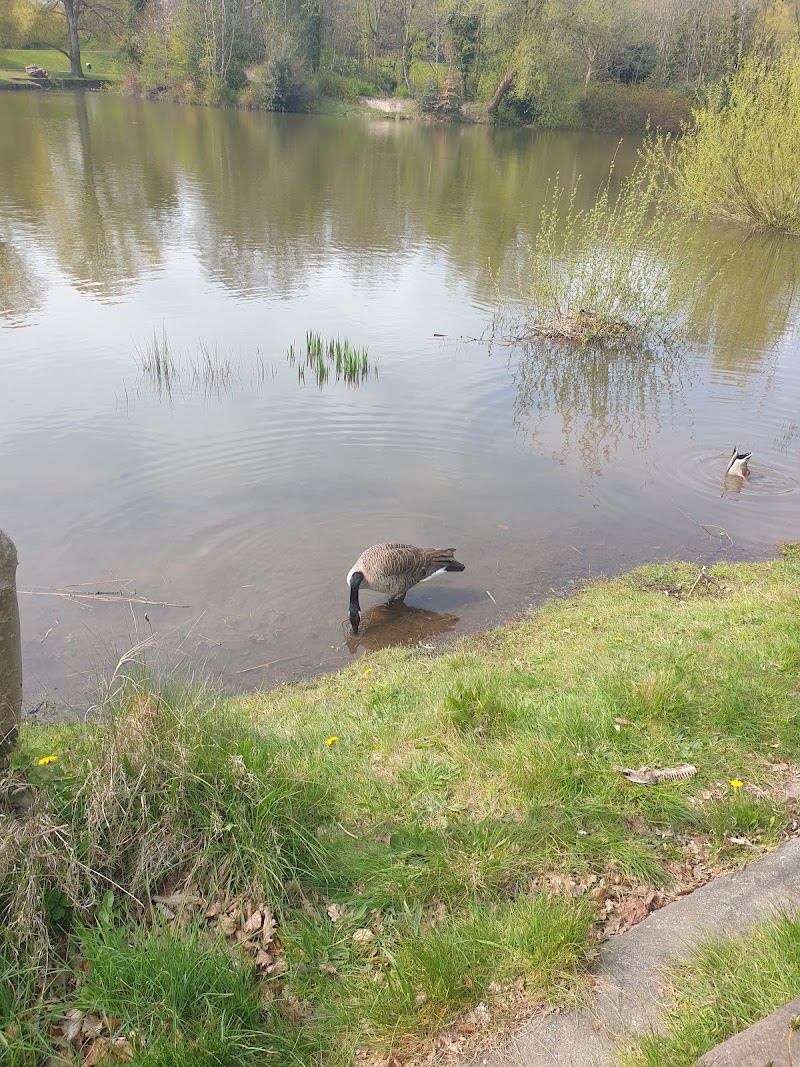
- The serpentine lake — Paxton’s signature move, laid out for pleasure boating and now used for fishing, with an island that gives waterfowl a refuge from the paths.
- The boathouse foundations — at the southern end of the water, the surviving footprint of a listed boathouse, possibly by John Robertson, that burnt down in the early 1990s.
- The Yates obelisk — raised by public subscription in 1858 to the park’s founder, and originally a drinking fountain as well as a monument.
- Judy the donkey’s gravestone — a small 1926 memorial to an animal that gave children rides here for twenty-one years, and the most quietly affecting thing in the park.
- The perimeter carriage drive — the circuit that organises the whole design and still functions as the park’s main walking and running loop.
What you’ll find
Princes Park covers roughly 45 hectares, which is about 110 acres, and the layout is essentially the one drawn in the early 1840s: a broad outer drive, informal lawns and tree clumps inside it, and the lake as the centre of gravity. The Victorian planting has been heavily reinforced in recent years, so the park reads as both historic and young at the same time.
- A children’s playground with swings, a rotational climber, a junior slide, a see-saw, a climbing frame and a spring mobile.
- Four public tennis courts, available through the year.
- A stocked fishing lake, open to anglers holding the required permit.
- A five-kilometre walking and running route around the park, used by a weekly Saturday morning parkrun that regularly draws several hundred people.
- Extensive volunteer-planted woodland — the Friends of Princes Park have put in around 3,000 trees over the last ten years.
- An accessibility map produced by the Friends, which is worth downloading if step-free routes matter to you.
Things to do — and who it’s for
- Runners — the perimeter circuit is the park’s best asset, and the free weekly timed 5k is one of the friendlier ones in the city.
- History-minded walkers — the gates, the obelisk, the boathouse footprint and the drive together tell the story of how a Victorian park was financed and built.
- Families — the playground is compact and modern, and the lakeside lawns take a picnic and a football without any fuss.
- Anglers — the lake fishes well and sits in the middle of the city, which is a rare combination.
- Tennis players — four public courts, in a part of Liverpool where they are not easy to find.
- Volunteers — the Friends hold work days on two Sundays most months, doing planting, coppicing and bulb and wildflower work, and newcomers are genuinely welcome.
Getting there & practical
The park sits in Toxteth, roughly two miles south-east of the city centre. It is not directly on the Merseyrail network — the nearest Northern Line stations are St Michaels and Brunswick, both around a mile away and an easy walk in daylight — while frequent buses from the city centre towards the southern suburbs pass close to the entrances. Entry is free and the park is open daily, with no ticketing of any kind; the tennis courts and the fishing lake have their own booking and permit arrangements. Allow forty-five minutes for a single circuit of the perimeter drive, or a couple of hours if you want the lake, the playground and the historic features. Parking is on-street around the park’s edges and can be tight on Saturday mornings when the parkrun is on.
When to visit
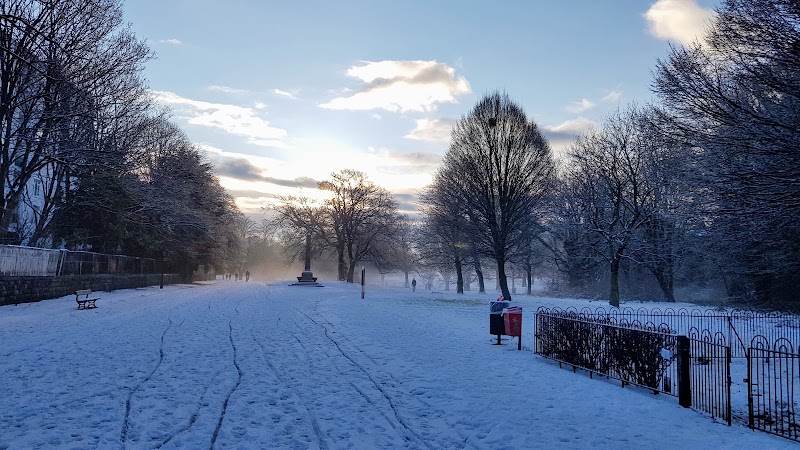
Spring shows off the volunteer planting best: bulbs run in drifts under the newer trees, and the lake island fills with nesting birds. Summer is the park’s sociable season, when the lawns are in constant use, the tennis courts are busy and the long evenings make the perimeter drive a pleasant after-work loop. Autumn suits the park’s structure — the mature clumps colour up, the light comes low across the water, and the fishing settles. Winter strips the design back to Paxton’s lines, which is genuinely instructive: with the leaves down you can read the shape of the drive, the sweep of the lake and the way the surrounding villa plots were laid out to fund it. Saturday mornings are the busiest slot in every season; a weekday afternoon is the quietest.
Good to know
The park was the private project of Richard Vaughan Yates, an iron merchant and philanthropist who bought the land and commissioned Joseph Paxton, working with James Pennethorne, to design it; John Robertson drew the plan and Edward Milner supervised the construction. It opened in 1842 and was finished the following year, taking its name from the infant Prince of Wales born in 1841. Yates’s financial model was the innovation that mattered: the park was ringed with plots for grand houses, and the sale of those plots was meant to pay for the public space at the centre. Yates handed the park to the city in 1849, and Liverpool City Council took it fully into public ownership in 1918. In 2009 English Heritage upgraded the site to Grade II* on the Register of Historic Parks and Gardens, recognising it as Paxton’s first major park and as the direct ancestor of a design tradition that ran through Birkenhead Park to the work of Frederick Law Olmsted in New York. Princes Park is one of only a handful of parks in Liverpool to hold that grade.
Visitor tips
- Start at the Sunburst Gates rather than the nearest entrance — the gold-leaf ironwork is the single best thing to see and the park was designed to be entered ceremonially.
- Walk the perimeter drive first to get your bearings; the interior paths make far more sense once you have the outer circuit in your head.
- Look for Judy’s gravestone and the boathouse foundations rather than expecting to stumble on them — both are small, low and easy to walk straight past.
Questions & answers
Who designed Princes Park? Joseph Paxton, working with James Pennethorne, with John Robertson drawing the plan and Edward Milner supervising construction on the ground.
When did it open? In 1842, with the works completed the following year. It was named for the infant Prince of Wales, born in 1841.
Why is it historically important? It was Paxton’s first major park, and the design — plus the funding model of surrounding villa plots — fed directly into Birkenhead Park and from there into the public-park tradition taken to America by Frederick Law Olmsted.
What listing does it hold? Grade II* on the Register of Historic Parks and Gardens, upgraded by English Heritage in 2009. Only a small number of Liverpool parks are graded that highly.
Can you go boating on the lake? Not any more. The lake was laid out for pleasure boating, and its boathouse burnt down in the early 1990s; today the water is used for permitted fishing, and the boathouse foundations can still be seen at the southern end.
What are the Sunburst Gates? The park’s original mid-nineteenth-century entrance ironwork, restored and finished with 23.5 carat gold leaf — a showpiece of Victorian metalworking.
Is there a parkrun? Yes, a free timed five-kilometre event runs weekly on Saturday mornings and regularly attracts several hundred participants.
Who is Judy? A donkey who gave children rides in the park for twenty-one years; her gravestone, dating from 1926, still stands in the park.
Can I get involved in looking after the park? Yes. The Friends of Princes Park run volunteer sessions on two Sundays in most months, covering planting, coppicing and bulb and wildflower work.
Photos
Show 1 more photos
Visitor reviews
Reviews last updated: 2026-08-04 20:22:05
Data is refreshed monthly. Sources: liverpoolname.com and editorial picks based on reviews.
Quiet, immaculately clean (thank you to the Friends of PP) and beautiful. I love sitting by the lake, watching and listening to the birdlife – a real haven in the city
Such a lovely park. There are free tennis courts, which you need to book through the LTA website or app. You'll also need to bring your own kit. Such a great park with lots of lovely walking routes. They also hold a 5 km…
It's a great park for peace of mind, and it's also big enough for walks, with a lovely lake and lots of beautiful plants and trees.
A great park with a wonderful lake where you can watch lots of ducks. Benches all around, which was perfect for reading, especially in the sun.
Nice place for a walk. There's the option of fishing