

Liverpool is a remarkable city, known for its rich history, vibrant culture, iconic landmarks, and unforgettable landscapes. The city is currently buzzing with a wave of exciting new projects designed to transform and enhance its appearance. Among these are ambitious greening programs. Here on liverpoolname, we’ll dive into what these initiatives involve.
The Importance of Urban Greening
Urban greening serves several vital functions. One is purely aesthetic. Trees, flowerbeds, and lawns visually enrich the cityscape, making it more attractive and pleasant. Beyond beauty, green spaces reduce noise pollution, capture dust, and absorb harmful emissions, thereby cleaning the air. Well-planned greening projects also help regulate the impact of natural processes on city life, creating resilient landscapes and mitigating the effects of climate change.
Projects
The Urban Green UP project aims to create new green zones throughout Liverpool to help tackle numerous environmental challenges. With about £3.5 million in funding, the project is a partnership between the Liverpool City Council, the University of Liverpool, and The Mersey Forest organization. The program involves innovative environmental research, identifying sites suitable for conversion using “nature-based solutions,” and modernizing existing green spaces. Positive changes have been noticeable over the last few years.
Green Infrastructure
This program extends to all city districts and includes planting additional trees. The goals are to increase local plant diversity, lower air temperatures on hot days, improve air quality, and create more shaded areas.
The program is also developing new and improved cool pavements and green routes for cyclists and pedestrians. Here, residents can escape the noise and dust, breathe cleaner air, and find shelter from the heat.
Another innovation is the creation of green filter zones. These are plantings of shrubs or trees that form a living barrier between roads or industrial sites and public spaces like bike paths and walkways. Broadleaf plants, grown in special containers or directly in the ground, are typically used for this purpose.
Improving Water Resources
Poor water quality is a pressing issue in many parts of Liverpool, as it negatively affects the health and well-being of residents. Alongside traditional engineering methods, modern technologies that utilize green plantings are being employed. These measures include preserving natural vegetation in watersheds, expanding the use of trees in stormwater management systems, and planting trees that can retain and strengthen riverside soil.
Green Roofs and Walls
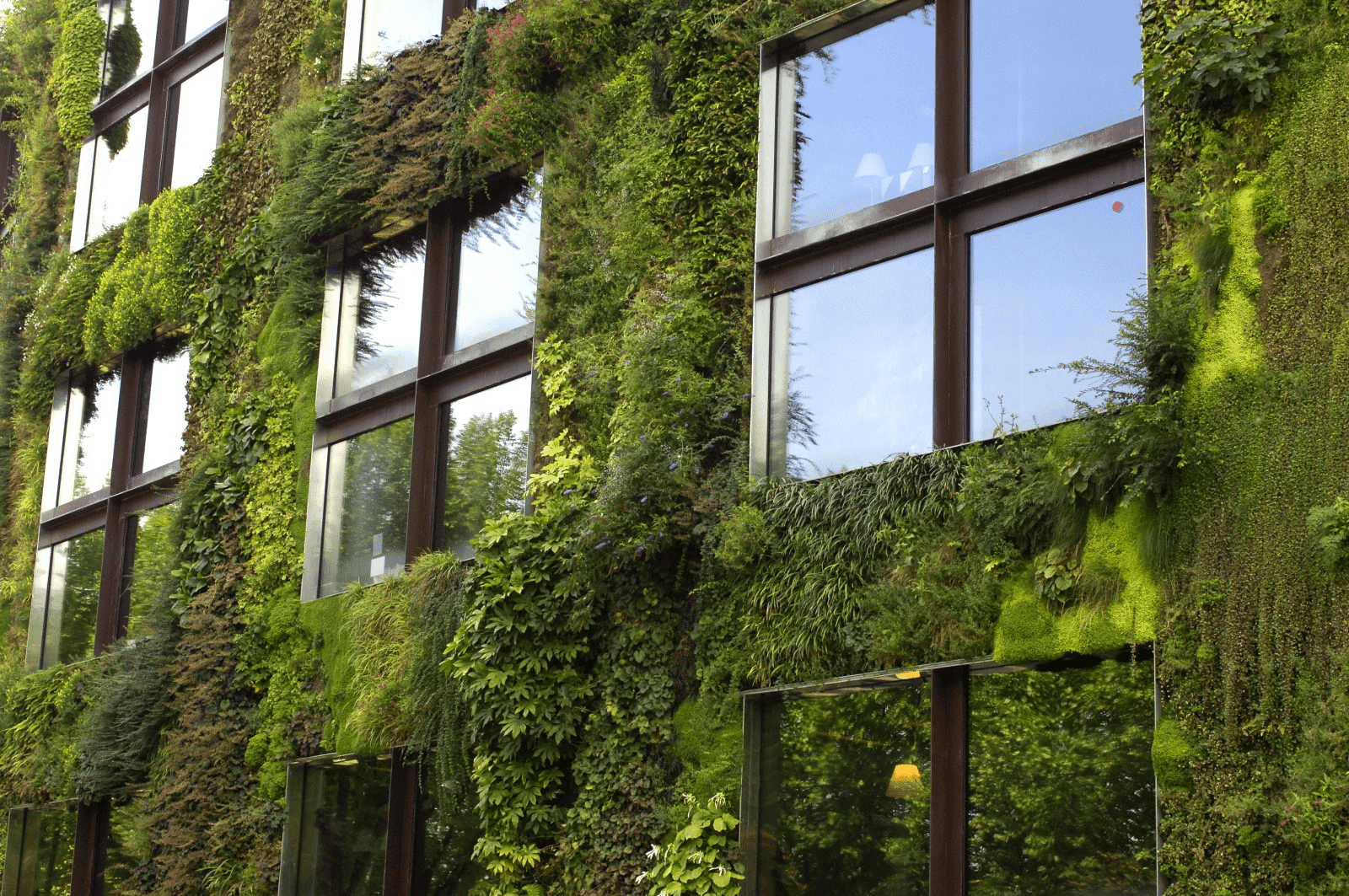
Green roofs and walls are becoming a major trend in Europe. While Liverpool is still relatively new to this field, the city already has several green roofs and living walls, with a clear trend toward their expansion.
Note: A living (or green) roof or wall is a building surface that is partially or completely covered with vegetation.
This solution helps solve a number of urban challenges. The plants provide insulation, create habitats for local wildlife, absorb rainwater, capture dust, help purify the air, attract pollinators, and reduce heating costs. Such roofs and walls are suitable for private homes as well as large commercial, municipal, or industrial buildings.
For instance, one of Liverpool’s most stylish districts has been beautifully enhanced with a public living wall. This spectacular feature is adorned with about 12,000 flowers and plants, including lichens, daffodils, moss, lavender, and even wild strawberries whose berries you can pick and eat. The wall is part of an innovative project aimed at cleaning the air, bringing a bit of wild nature back to the city center, and allowing everyone to connect with it.
Floating Gardens
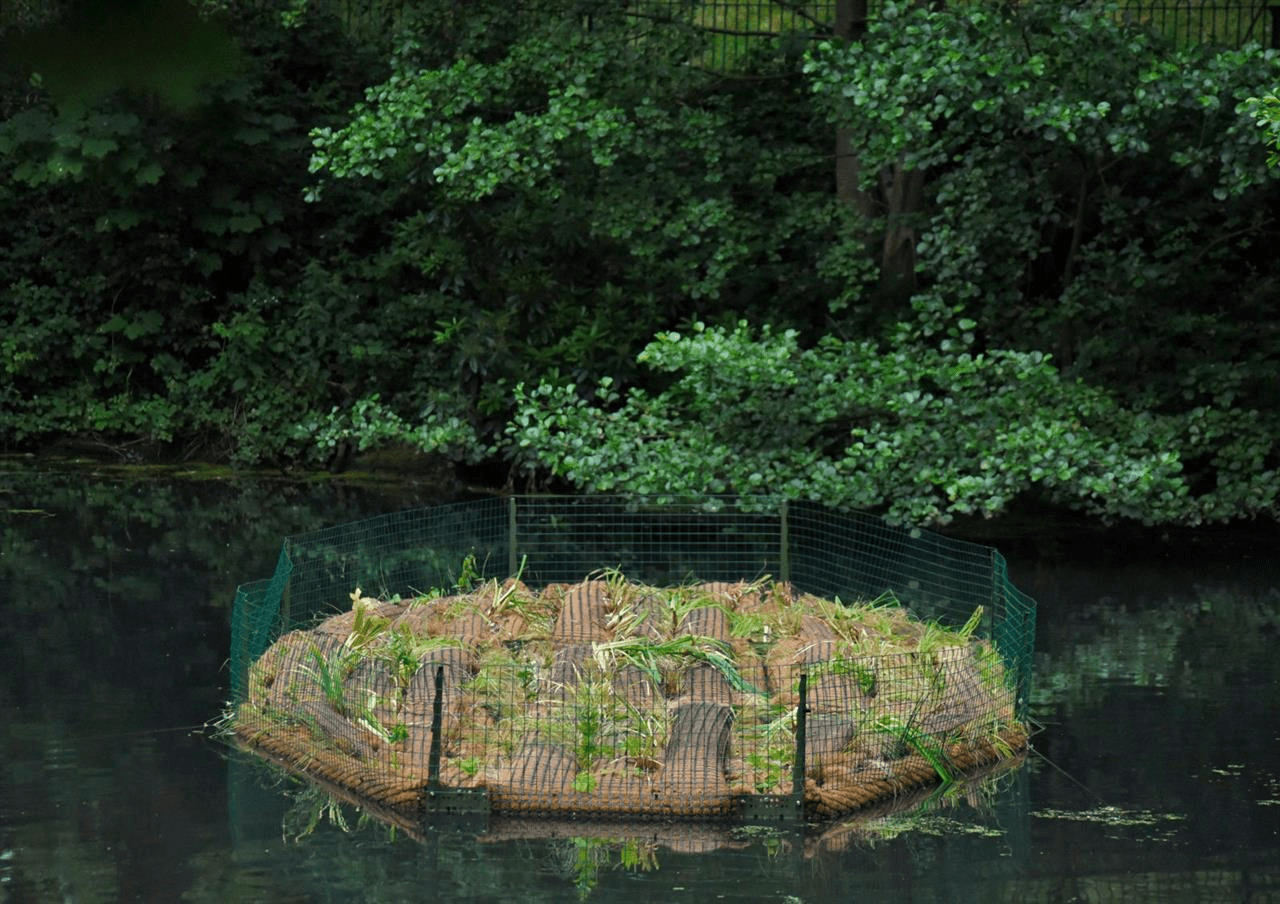
Floating green complexes consist of various platforms and barges filled with nutrient-rich soil where living plants are grown. These islands are visually appealing, reduce air pollution, and improve water quality. Furthermore, they serve as habitats for insects, birds, and various aquatic organisms within the urban environment.
Biodiversity loss, flooding, and air and water pollution are just some of the challenges Liverpool faces. Addressing them is a top priority for the City Council. Promising greening innovations developed by modern ecologists, designers, and scientists can help. These solutions are being successfully implemented by the city’s authorities, organizations, and residents. Everyone can contribute to restoring nature and fighting for a healthier environment.