

As liverpoolname notes, air purification is a difficult task. Pollution and harmful emissions affect the health of every Liverpudlian, from babies to the elderly. The local City Council has launched the Let’s clear the air in Liverpool programme, which is aimed at improving the environment so that everyone can breathe as clean air as possible.
What are the main air pollutants in Liverpool?
There are two main and most dangerous pollutants in the city, namely
- PM2.5 and PM10. These are the smallest particles, which are less than 2.5 and 10 microns in diameter, respectively. They are formed from road dust, as a result of the burning of wood and coal, the work of various industrial productions, as well as from the exhaust of diesel-powered vehicles.
- Nitrogen dioxide (NO2). It is one of the most common anthropogenic types of air emissions. This gas has a sharp and suffocating smell, which is formed as a result of photochemical reactions of oxides in the atmosphere. Nitrogen dioxide appears in the air as the waste of industrious enterprises, the products of fossil fuels combustion for the generation of electricity, as well as transport exhaust gases.
How serious is the issue of air pollution in Liverpool?
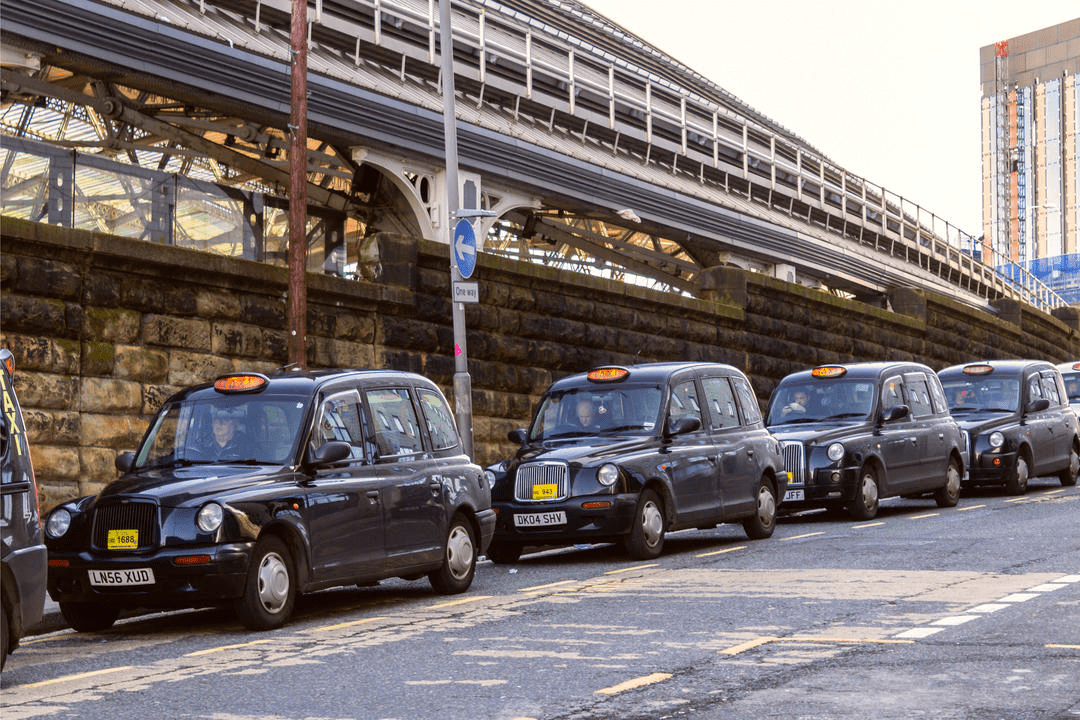
The problem is very serious. Despite the fact that Liverpool is a coastal city with a relatively low level of motorisation, the level of nitrogen dioxide emissions is quite significant here. Pollution can cause such serious diseases as stroke, lung cancer, pneumonia, asthma, heart disease, severe bronchitis and many others.
Matthew Fox, the head of a pollution control project Engage Liverpool, says that a significant proportion of nitrogen dioxide emissions come from diesel-powered vehicles such as private cars, buses and taxis. The toxic gas not only contributes to the emergence and progression of dangerous diseases but also causes acid rain, which negatively affects the general condition of local flora and fauna.
Innovations
Liverpool has been declared an Air Quality Management Area to improve the air quality as much as possible and reduce high levels of nitrogen dioxide emissions. Liverpool Air Project has developed many schemes to secure financial support from Idea Camp by the European Cultural Foundation. Thanks to their investments, the city authorities are effectively implementing modern innovations, which improve air quality in the city.
- The city is installing 15,000 energy-saving LED street lights. Analysts estimate that they will help reduce electricity consumption by more than 80%, which, in turn, will help reduce the consumption of natural resources and the amount of harmful emissions into the air.
- A blockchain platform for Eco Tokens exchange was developed. The authorities of Liverpool plan to significantly reduce the negative impact on the climate in this way.
- Special monitors are used to control the amount of solid particles in each district of the city.
- Additional charging stations for electric vehicles are also being installed.
Authorities reaction
Although Liverpool is not on the government’s list of the worst emitting areas, the City Council has reaffirmed its principled stance on improving air quality and has even set up a special commission to do so. The main elements of the Clean Air Liverpool project are
- Stopping the modernisation of old engines and taking the course for a full transition to electric cars.
- Introduction of fines for drivers who use the idle speed of the car.
- Exemption from diesel fuel of all public vehicles serving the city centre.
- Replacing city bin lorries with eco-friendly ones that run on compressed natural gas.
- Complete removal of diesel cars from the City Council’s fleet.
What can residents do to improve air quality?
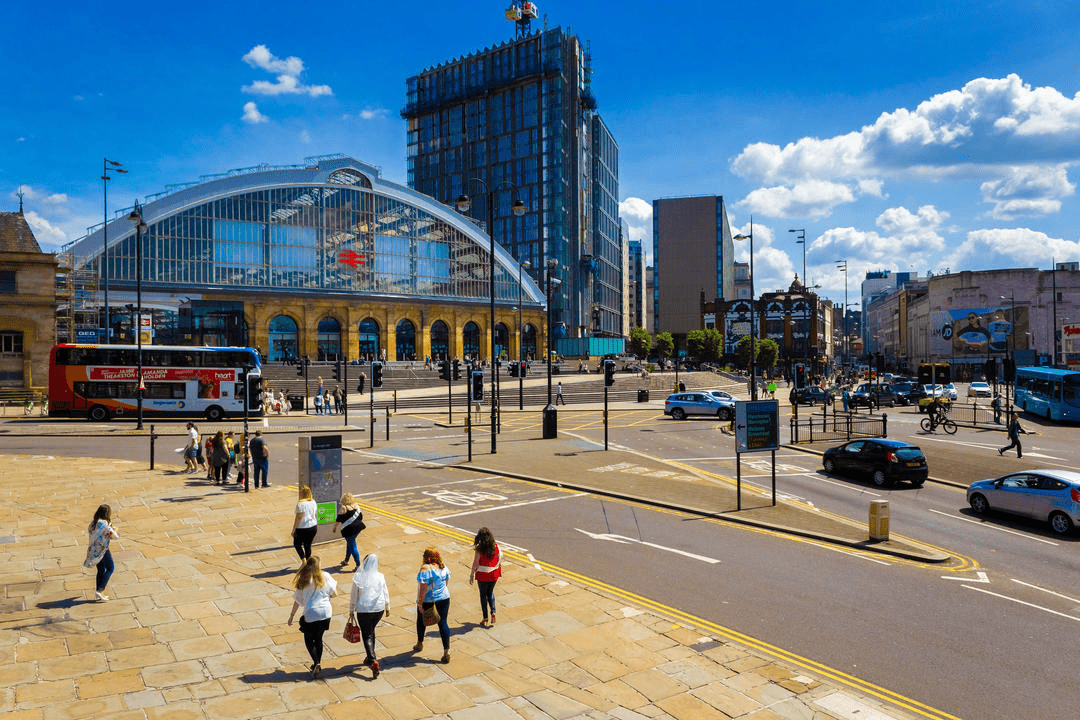
Here are the recommendations Liverpool City Council gives to residents:
- Avoid using diesel fuel. If you buy a new car, give preference to one equipped with an eco-friendly engine. Electric cars and machines running on compressed gas pollute the air to a lesser extent, while old diesel ones are extremely harmful.
- Do not drive your car, if possible. Instead, you can go on foot, ride a bicycle or use public transport.
- Turn off your car’s engine when you’re waiting for someone or stuck in traffic.
- Park as far as possible from children’s educational facilities or medical centres to reduce air pollution nearby.
- Whenever possible, you can buy energy from companies that generate it from sunlight and wind.
These simple steps will help every Liverpool resident contribute to reducing air pollution.
Improving the quality of city air is one of the priority issues for the City Council. After all, pollution directly influences public health. Therefore, both the authorities and residents must do everything possible to provide clean air for themselves and future generations.