

Liverpool is at the heart of an exciting renewable energy project. Known as Mersey Tidal Power, the scheme involves building a barrage system to harness the tidal energy of the River Mersey. This system will generate electricity by using the difference in water level between high and low tides. We explore the most interesting details of the Mersey Tidal Power project at liverpoolname.com.
The Mersey Tidal Power Project: A Brief Overview
This method is projected to generate up to 1 GW of clean electricity, enough to power hundreds of thousands of homes for over 120 years. The project includes a power generation complex, water control infrastructure, a maritime navigation system, and facilities for exporting electricity to the National Grid, along with onshore sites for maintenance and management. Mersey Tidal Power is set to become the world’s largest tidal power station.
Location of Mersey Tidal Power
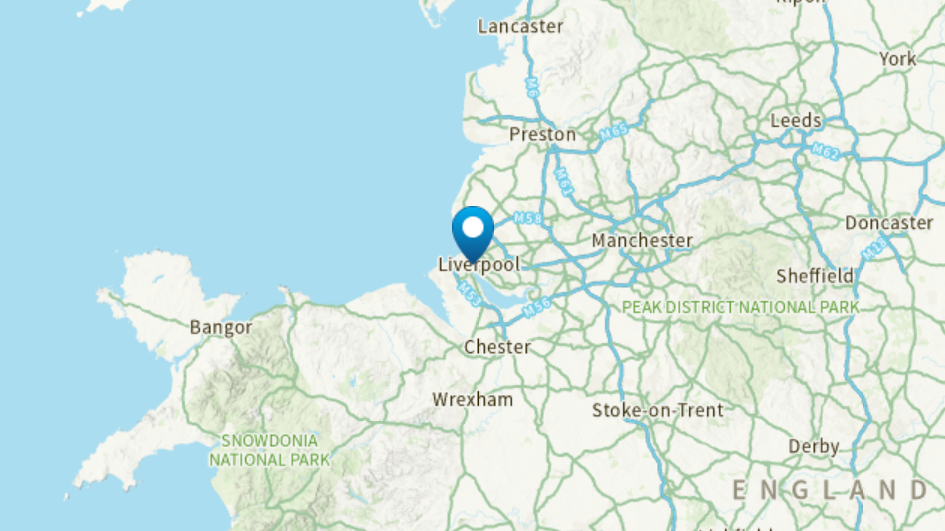
The Mersey Tidal Power project is planned for the stretch of water between Liverpool and the Wirral. As its name suggests, the tidal barrage system will be built across our city’s main river. The river’s catchment area covers approximately 4,680 km².
The Mersey is a navigable river that has historically served as a vital transport artery for trade and industry in the region. The Manchester Ship Canal runs parallel to it for part of its course. The River Mersey has a significant tidal range, especially around Liverpool where it forms a large estuary. This tidal activity makes it an ideal location for generating renewable energy.
In addition to generating electricity, the project includes plans for a pedestrian and cycle path across the top of the barrage. This would create the first non-motorised link between the Wirral and Liverpool.
Public Support for the Project
The first phase of public consultation, held from October to November 2024, received over 3,000 responses, with 84% of participants expressing a positive view of the project. The majority (76%) showed full support, while another 8% were partially supportive. Furthermore, 92% of respondents agreed on the need to expand renewable energy generation in Merseyside.
However, alongside the positive feedback, some concerns were raised. Some participants expressed worries about the potential negative impact on local wildlife, including birds, fish, and marine mammals. Questions were also raised about the project’s cost, funding sources, and its impact on surrounding communities.
Further public consultations are planned for 2025. These will be followed by more detailed design proposals. The project is backed by the Mayor of the Liverpool City Region, Steve Rotheram, and has faced little opposition from other local officials. Those in power view it as a crucial step in the transition to renewable energy and the fight against climate change.
The Future of Mersey Tidal Power: 2025 Update

The Liverpool City Region Combined Authority plans to build a tidal barrage between Liverpool and the Wirral, which will generate 700 MW of electricity using 28 turbines. The barrage will also serve as a flood defence and create a new pedestrian and cycle route between the two banks.
The plans are incredibly ambitious and will be vital for the future energy supply of Liverpool and surrounding areas. However, there is still much to be done before construction can begin. Construction is scheduled to start in the late 2020s or early 2030s. But project coordinators state that a number of environmental, technical, and financial challenges must be overcome before work can get underway.
The year 2025 is crucial, as the project enters the official approval stage, known as a Development Consent Order (DCO). Residents from Liverpool (36% of respondents), the Wirral (28%), Sefton (14%), St Helens, and Warrington are all eligible to take part in the discussions.
Assessing the Prospects
Steve Rotheram, Mayor of the Liverpool City Region, has always been committed to developing the local area’s infrastructure. Speaking about the project, he stated that the initial consultation results, citing the enthusiasm of local residents, provide a strong mandate to move forward. Meanwhile, Halton Councillor Bill Woolfall has stressed the need for more research into the upstream consequences of the construction.
It is worth noting that tidal power is predictable and constant, making it a reliable source of renewable energy. Harnessing this energy could significantly reduce reliance on fossil fuels, cut greenhouse gas emissions, and lower the region’s carbon footprint. The project is expected to create thousands of jobs and boost the local economy. Furthermore, it will help the region achieve its net-zero targets and enhance energy security.
Mersey Tidal Power remains an ambitious initiative that could transform the region’s energy landscape, but it requires more detailed analysis and further public discussion. The project’s success will depend on addressing environmental risks and creating mechanisms to minimise its impact on nature. Only through open dialogue with the public and experts can Mersey Tidal Power become a true breakthrough in the field of renewable energy.