

The River Mersey is experiencing a genuine renaissance. Once heavily polluted by industrial waste, it’s now becoming a thriving habitat for numerous fish species, including salmon, which are considered a key indicator of clean water. Decades of ecological initiatives and innovative technologies have transformed the Mersey, making its waters some of the cleanest in the UK. This has not only improved the ecosystem but also unlocked new opportunities for both amateur and professional anglers. How did they pull it off? We delve into the story at liverpoolname.com.
The Mersey Springs Back to Life
For a long time, the topic of fishing in the Mersey around Liverpool was a rather sore subject. Since the Industrial Revolution, the river had been in a dreadful state, so it’s hardly surprising that it wasn’t taken seriously as a viable fishing spot.
However, a concerted effort to change this began in 1985. The prime example is the Mersey Basin Campaign, which focused on improving water quality and restoring the riverbanks across the entire catchment area.
The hard work paid off. The River Mersey has since been declared cleaner than at any time since the Industrial Revolution, and is now ranked among the cleanest in Britain. This is despite the plastic pollution (a challenge that remains pressing) that still needs tackling!
While challenges certainly persist, fishing has rebounded across most of the Mersey itself and its tributaries—the Etherow, Goyt, and Tame. The most astonishing sign is the return of the salmon, a hugely significant benchmark given how sensitive this fish is to pollution. Salmon have been spotted near weirs, such as Woolston and Howley.
The Mersey Cleanup Campaign
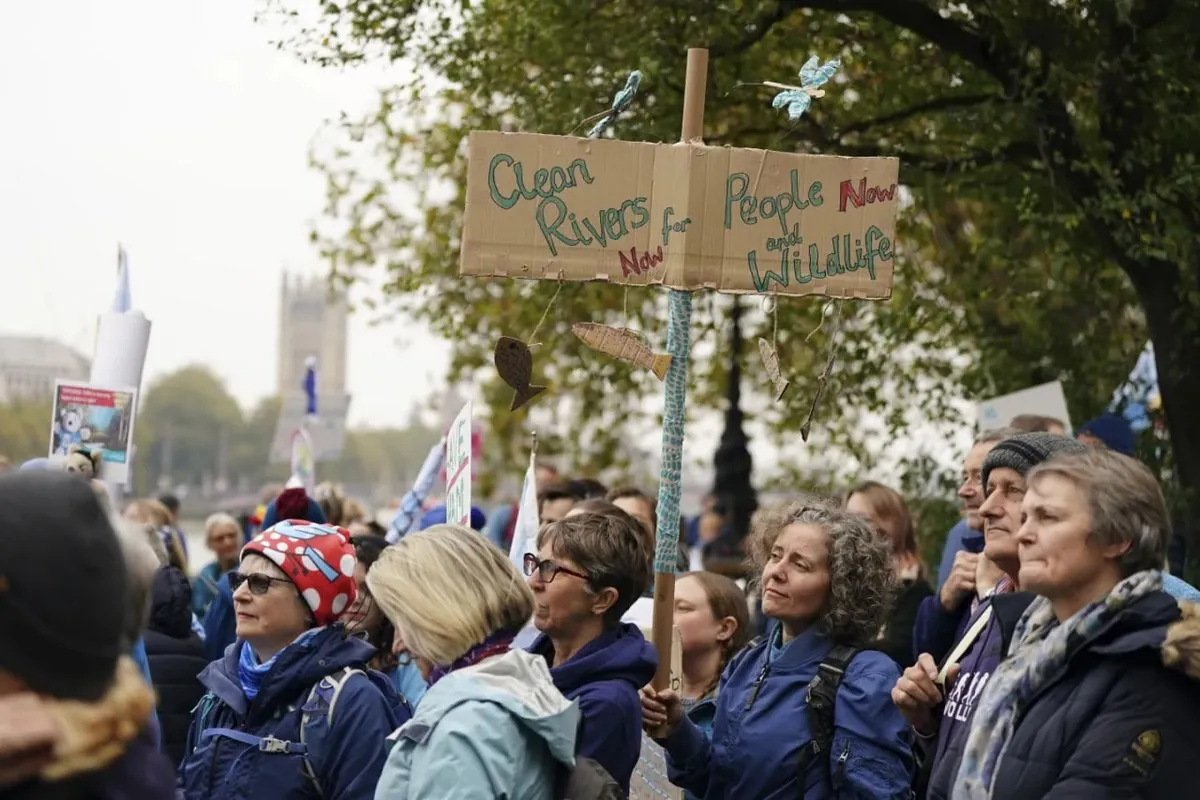
The Mersey Basin Campaign, launched in 1985, utilised a range of innovative methods to achieve its ambitious goals. Even the most noble and well-intentioned idea needs a clear plan. So, what exactly was done?
First, well-organised teams tackled the massive task of cleaning up the river. These groups represented the public and private sectors, alongside countless volunteers. Businesses and community organisations were fully on board.
Second, the overall colossal undertaking was broken down into many smaller tasks, with separate partner groups working on each specific objective.
Third, the campaigns received robust media and informational support. Various conferences and forums were held, and specialist publications were produced. The initiative also had the backing of Liverpool’s educational community.
Fourth, scientific and technological innovations played a crucial role, such as oxygenating the canals using aeration systems. Oxygenation, in general, promotes the breakdown of substances like industrial waste, sewage effluent, and oil residue in the water. Dissolved oxygen encourages the activity of aerobic bacteria—microorganisms that consume organic pollutants, converting them into harmless materials.
Fifth, realistic timescales were set. From the start, the campaign had a 25-year lifespan. This allowed for a measured and unhurried implementation of the methods and programmes. That said, the improvement programmes didn’t simply grind to a halt when the campaign officially concluded in 2010. Rather, it stands as a brilliant example of an organised ecological initiative that achieved its goals. So, what was the impact on fishing?
How the Campaign Transformed Fishing in Merseyside
One of the Mersey Basin Campaign’s primary aims, as mentioned, was to improve the river’s water quality to a level sufficient to sustain fish. By reviving fishing, the campaign emphatically achieved this goal.
Since then, dolphins and seals have been regularly sighted in the estuary, and salmon have returned to the river’s upper reaches. This was noted in a report as early as 2007, even before the campaign ended. There’s been a striking increase in populations of cod, whiting, and flatfish like flounder and thornback ray. Perch have also made a welcome return to the Mersey.
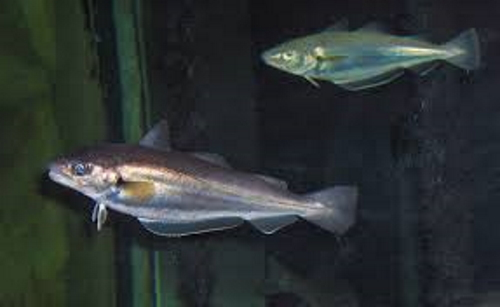
Of course, fishing in Liverpool isn’t limited to the river; there are excellent sea fishing spots, too. Liverpool Marina remains a very popular location for keen anglers, where you can catch whiting, flounder, and cod. You can find flounder and rays in the waters off Seaforth Rocks. What’s more, boat fishing is now a great option, with specialist charter vessels based in Birkenhead and the Wirral.
Ultimately, where you cast your line is a personal choice. The main thing is that now you actually have a choice! If the Mersey hadn’t been cleaned up, the picture would be far gloomier.
Further Efforts on the Horizon
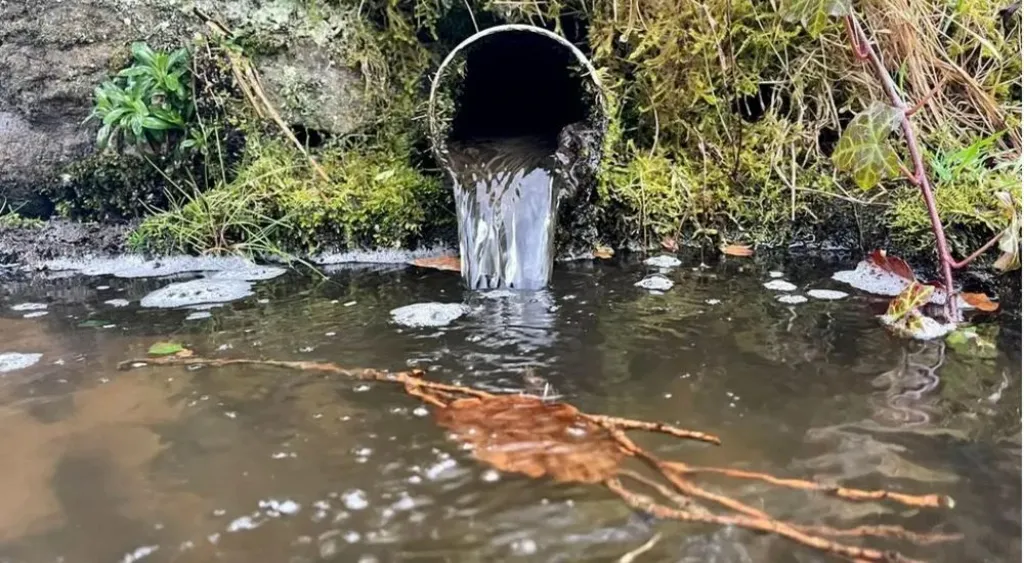
Liverpool plans to accelerate the cleanup of the Mersey even further. As recently as early 2025, there were still areas in the city where harmful liquids could spill into the river from pipes. Reducing the volume of sewage entering the region’s main freshwater artery is set to improve biodiversity and, consequently, the potential for fishing.
In March 2025, the Mayor of the Liverpool City Region, Steve Rotheram, announced an agreement with United Utilities and the Mersey Rivers Trust. The aim is to speed up the cleaning of the River Mersey, and this time the plan is for a five-year sprint rather than a 15-year one. The authorities are also keen on implementing nature-based solutions, such as sustainable drainage systems and other flood prevention methods.
This renewed focus provides great hope that the number of fantastic fishing spots in and around Liverpool will continue to grow.