

The creation of efficient water supply systems has been one of the most important tasks of mankind since the dawn of civilization. The insufficiency of water resources and sanitation systems results in the spread of various infections and epidemics. Thus, people fall ill and die prematurely. Initially, large settlements could develop only in the areas with surface water. Learn more about this page of Liverpool’s history at liverpoolname.
Middle Ages
The year of Liverpool’s founding is generally considered to be 1207 when King John Lackland issued a charter granting Liverpool the status of a borough (meaning a certain autonomy in managing its affairs as well as establishing rules and regulations for the local population). At that time, the settlement consisted of only seven streets and the main sources of water supply for the residents were wells. People dug them in the sandstone aquifer by themselves.
Later, during 1600–1690, water was taken from a well located near St John’s Lane. From that place, it was transported by waggons to Liverpool. Of course, it was inconvenient and expensive, so the construction of the first culverts began. Then they were made of hewn stone.
19th century
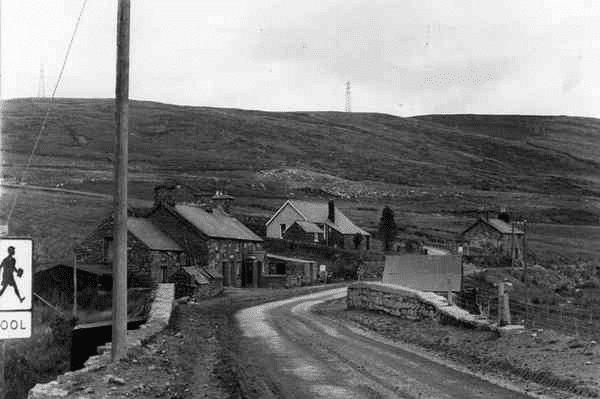
By the early 19th century, water was being piped to houses in Liverpool, but the supply was erratic. It was often available only for a short period of time, only two or three days a week, which caused outrage among residents. Liverpool Corporation Waterworks took up the solution of this issue and appealed to the Parliament asking for the relevant legislative support. At the same time, the position of Borough Engineer was created and was filled by James Newlands. This talented, far-sighted person began designing and building a water supply and sewage system.
In 1847, the Liverpool Corporation Water Act was passed, which allowed the Waterworks to buy out the ownership rights from private water companies. Soon, control over such an important resource as water was completely passed to the state. Thomas Hawksley was appointed water engineer, while Newlands continued to work on the city’s sewerage system.
Water supply
At the initial stage, there were disagreements between the engineers, as Newlands recommended expanding the well system, while Hawksley believed that it was necessary to establish a gravity-flow water supply from the reservoirs of Rivington Park.
The costs for implementing Hawksley’s idea were almost twice as high as the planned budget, but council members supported this very project. Subsequently, the composition of the board changed and the majority of its members spoke against the approved scheme. However, the contracts for the construction of the aqueduct in Rivington Park were concluded, so the Hawksley project remained valid. At that time, it was an effective, technically correct and innovative engineering solution in the field of water supply.
Sewerage
Newlands began his work with topographical studies. He hired a team of surveyors who conducted about 3,000 surveys and compiled a detailed report based on them. It considered the drainage of surface water, the possibility of using water closets instead of pits and the installation of the city sewage system.
The construction of the sewerage began in 1848. Collectors were brick structures measuring 91 by 56 cm. They were egg-shaped, which contributed to better washing even with a small amount of water.
A little later, sewer pipes with glazing were designed and they were connected directly to the houses. Special ditches with traps to contain unpleasant odours were also created. By the middle of the 19th century, 17 miles of city sewers had been built, and two decades later, their length had increased to 300 miles.
Our days
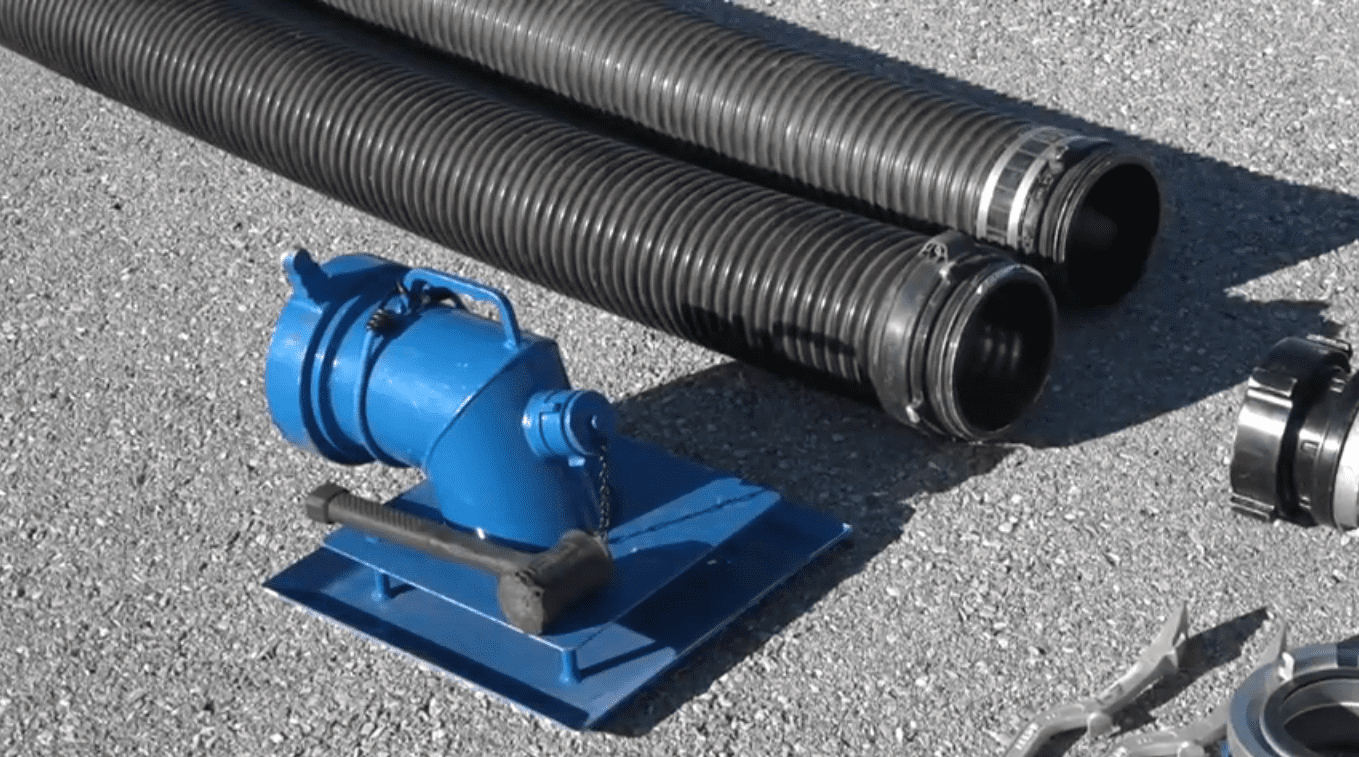
A little more than a century ago, many Liverpool households didn’t have private bathrooms equipped with a toilet and bath. With the introduction of centralised water supply and sewerage, houses gradually began to be equipped with bathrooms. Today, they are in every house.
Liverpool’s modern water supply and sewerage systems are complex engineering structures with interdependent elements. The water supply process is divided into four stages, such as obtaining water from the source, purification, transportation and supply. Pumping stations and treatment facilities take water from the natural pool to supply residents with water without interruptions.
Sewerage is a part of the water supply structure. It serves to drain dirty water outside the house and is connected to the general water supply system. Today, water and sewage systems consist of strong, light, durable materials that are not prone to rust, decay, destruction or corrosion. It makes modern water supply reliable and convenient for consumers.
Water supply and sewerage is the largest sector of housing and communal services in Liverpool. Providing residents with clean water in sufficient quantities is a strategic task of the authorities, aimed at sanitary and hygienic safety. In addition, properly installed and functioning communications create an atmosphere of comfort and well-being in every home.