

In the 21st century, urban environments face numerous environmental challenges. Consequently, the concept of regenerative forests is becoming increasingly relevant. Cities like Liverpool provide a classic example of innovative engineering solutions aimed at improving the region’s ecological health. In this article on liverpoolname.com, we will delve into the issue and explore local initiatives focused on restoring and preserving green spaces.
Environmental and Socio-Economic Challenges
Like many major cities in the UK and around the world, Liverpool faces a range of complex challenges driven by intense urbanisation and economic development. Population growth and the demand for new residential and commercial spaces have led to urban sprawl. This, in turn, poses significant threats to the preservation of ecosystems and the quality of life for residents.
Liverpool’s urban infrastructure challenges are largely linked to the limited space available for green areas, which are crucial for maintaining ecological balance. As land for green spaces dwindles and new developments take up more room, providing residents with access to nature becomes increasingly difficult. The city also grapples with the inadequate integration of green solutions into its urban planning and infrastructure development.
However, local activists are working to address these issues by championing nature-based solutions. Many of these initiatives focus on expanding green spaces, particularly forests, which we will explore next.
The Urban GreenUP Initiative and a Modern Approach to Green Infrastructure
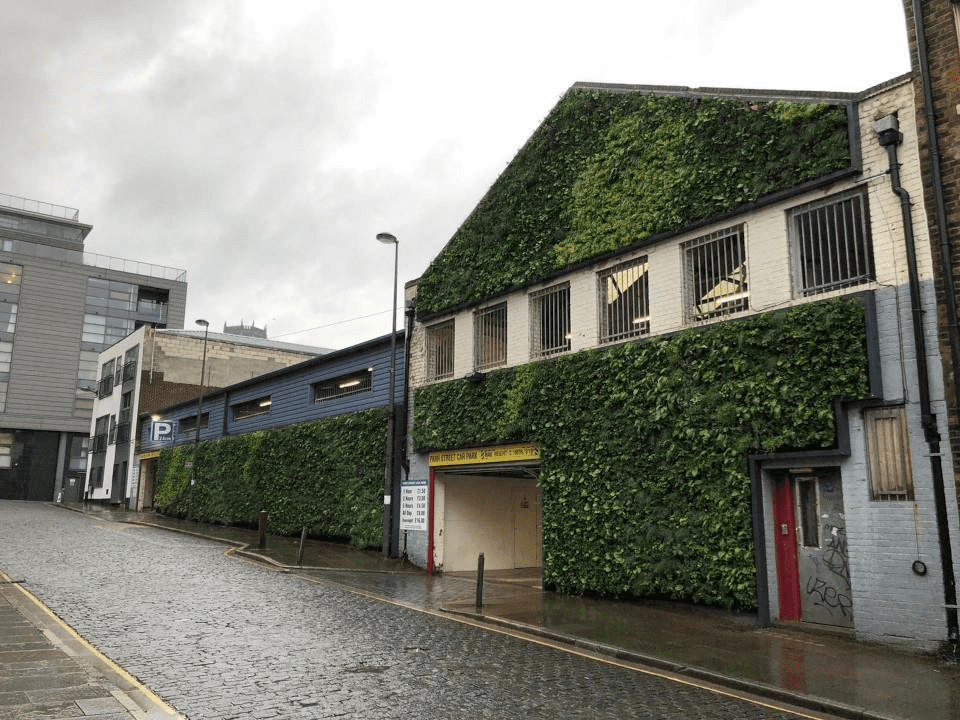
In response to the increasingly tangible effects of climate change, the city has launched the URBAN GreenUP initiative. This programme embodies the concept of ‘re-naturing urbanisation’ by implementing a range of nature-based solutions. Over 40 projects have been delivered under the scheme, helping to make the city more resilient and liveable for its residents.
The core of the initiative is to integrate nature into Liverpool’s urban landscape. Solutions implemented include green walls, rain gardens, water retention ponds, and a mobile forest. These measures help to reduce the risk of flooding, improve air and water quality, and create new spaces for recreation and active travel. For instance, new green corridors provide routes for walking and cycling, while also serving as educational hubs for the community.
Beyond its environmental benefits, URBAN GreenUP also delivers significant social and economic value. The project helps to lower surface temperatures, enhance water and air quality, and encourage physical activity among residents. Studies have shown a staggering 920% increase in pollinators at some sites, and the improved ecosystem has contributed to an overall enhancement in the city’s quality of life.
The URBAN GreenUP project is building a lasting legacy through an open data portal, which shares findings with partners and the community. This data influences new plans and initiatives from both city authorities and local organisations, allowing Liverpool to serve as a model for other cities looking to modernise their urban spaces with nature-based solutions.
Liverpool’s Woodlands: Past and Present
Let’s explore the history of the region’s woodlands, from ancient times to the present day.
A Natural History of Merseyside
Thanks to scientific research, the history of woodlands in this part of the island can be traced back to the end of the last Ice Age, some 10,000 to 12,000 years ago. As the glaciers retreated, they left behind a barren landscape dominated by moss and lichen. Gradually, however, the first forests began to emerge on this sparse soil. By the dawn of the modern era, around 5,000 to 6,000 years ago, the local woodlands were already home to oaks and alders.
Unfortunately, human activity took a heavy toll on these forests, leading to their gradual disappearance. Throughout the Bronze and Iron Ages, as well as the Roman period, woodlands were extensively cleared to make way for agriculture and settlements.
During the Middle Ages, woodland areas, notably Toxteth, became part of the royal hunting grounds. While this restricted the city’s growth, it later formed the basis of its administrative importance. At the end of the 16th century, King James I de-parked Toxteth, and the land was converted into farmland. From the late 19th century onwards, as Liverpool’s rapid expansion took hold, industrialisation and housing developments further damaged the remaining woodlands.
The Mersey Forest
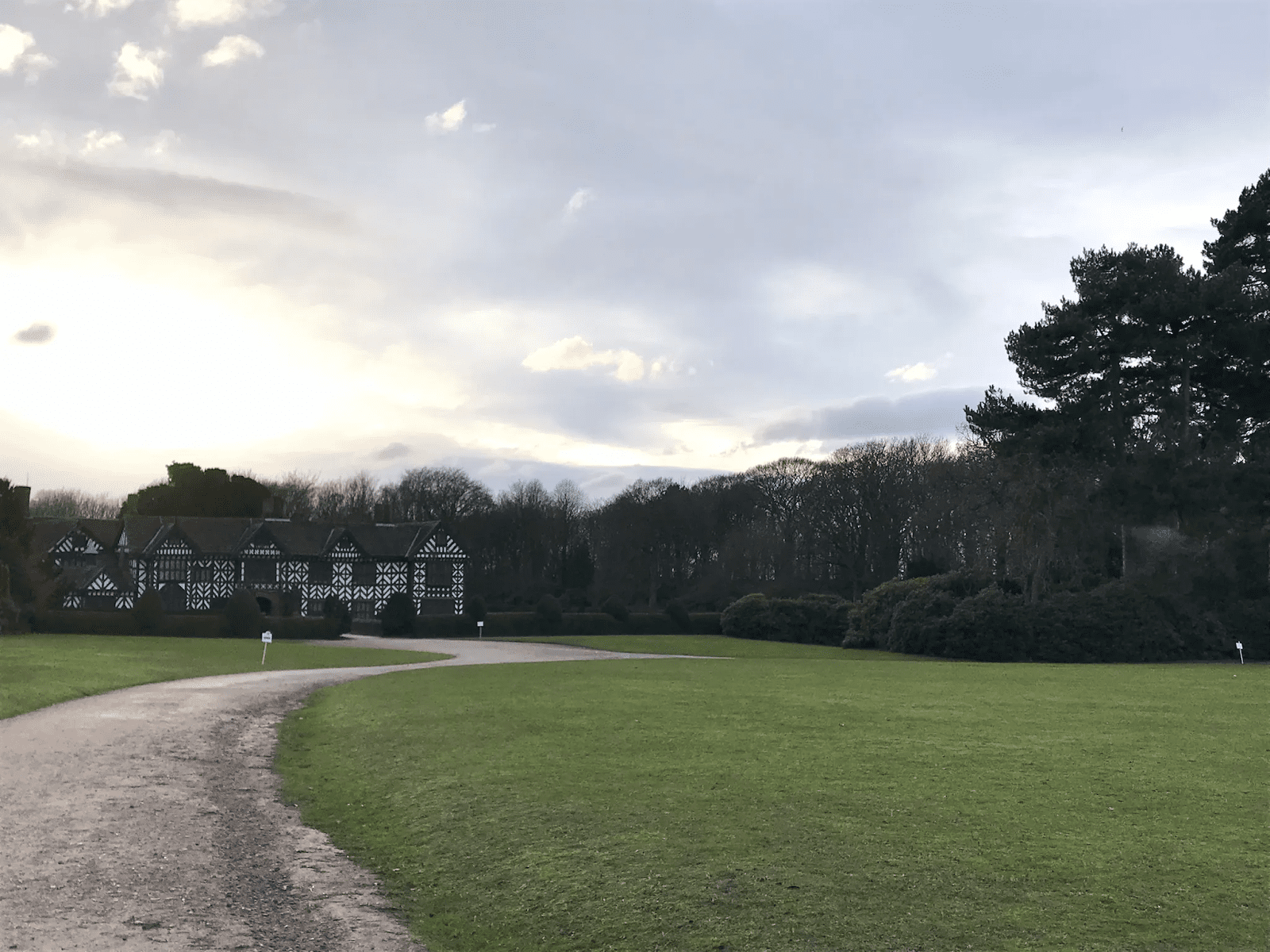
However, the tide began to turn in 1994 with the creation of The Mersey Forest, a modern project dedicated to restoring the region’s woodlands. This initiative has breathed new life into the story of Liverpool’s green spaces. The results are impressive: since its inception, over 8 million trees have been planted, and 6,000 hectares of new woodland now bolster the area’s ecological resilience and restore natural habitats. This has also had a positive impact on the quality of life for residents, with 60% of the local population using these woodlands for recreation.