We regularly write about Liverpool’s ecology on liverpoolname.com, and sometimes the most fascinating stories are hidden within very small initiatives. Squash Farm is one of them: a tiny urban farm underpinned by a rather unusual ecological model.
In major cities, land is usually worth its weight in gold. Every patch of tarmac serves a strict function—parking, housing, or retail. Yet, in Liverpool, space was found for a small farm that grows vegetables right in the middle of an urban district, teaches people how to work the soil, and simultaneously demonstrates a highly intriguing model of ecological economy. We are talking about Squash, a community initiative in the Toxteth area, known primarily for the Granby Street Market and its history of protest movements. Here, on a formerly derelict plot, a green space has blossomed, complete with vegetable beds, a garden, and a kitchen.
Why This Matters
This project is frequently cited in studies of urban agriculture in the UK. The reason is simple: Squash has managed to seamlessly combine several ideas that rarely function together on a single site.
They grow produce here, cook it in the local café, compost organic waste, and teach local residents the fundamentals of sustainable living. As a result, this small farm has become a sort of living laboratory for new approaches to urban ecology—the exact approaches increasingly championed by urban planners, agronomists, and researchers of sustainable cities.
How Squash Farm Appeared in Liverpool
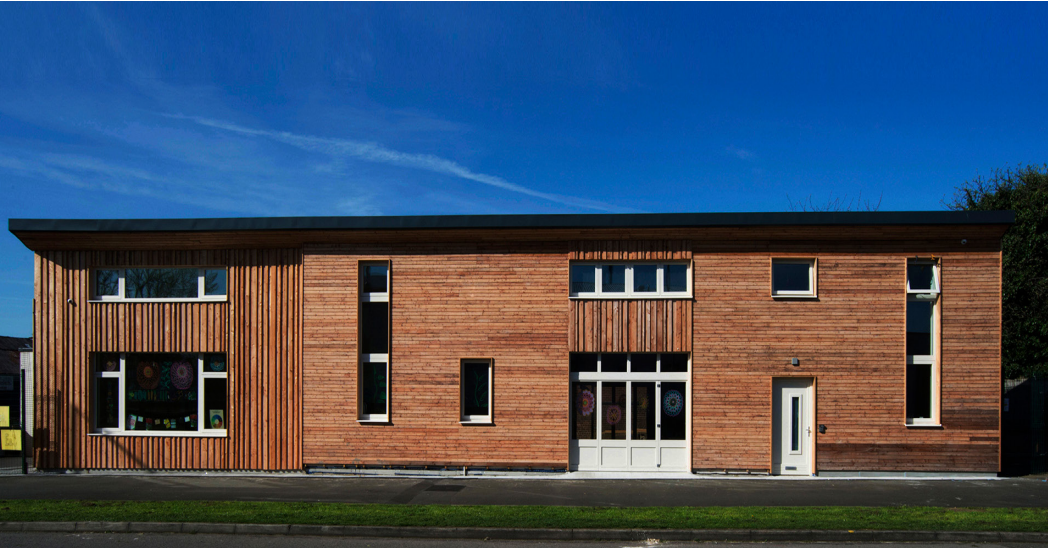
The story of Squash began back in 2007 as a modest community initiative in Toxteth, South Liverpool. A group of local activists and culinary enthusiasts decided to give city dwellers back a simple joy that has become almost exotic in the 21st century: the ability to grow food close to home and understand exactly where it comes from.
To achieve this, they utilised an abandoned plot on Windsor Street. Empty buildings once stood there, and rubbish had accumulated—a typical urban landscape for many British industrial areas. Over time, the area was gradually transformed into a community space with raised beds, fruit trees, and a small kitchen where meals could be prepared using ingredients grown just a few metres away.
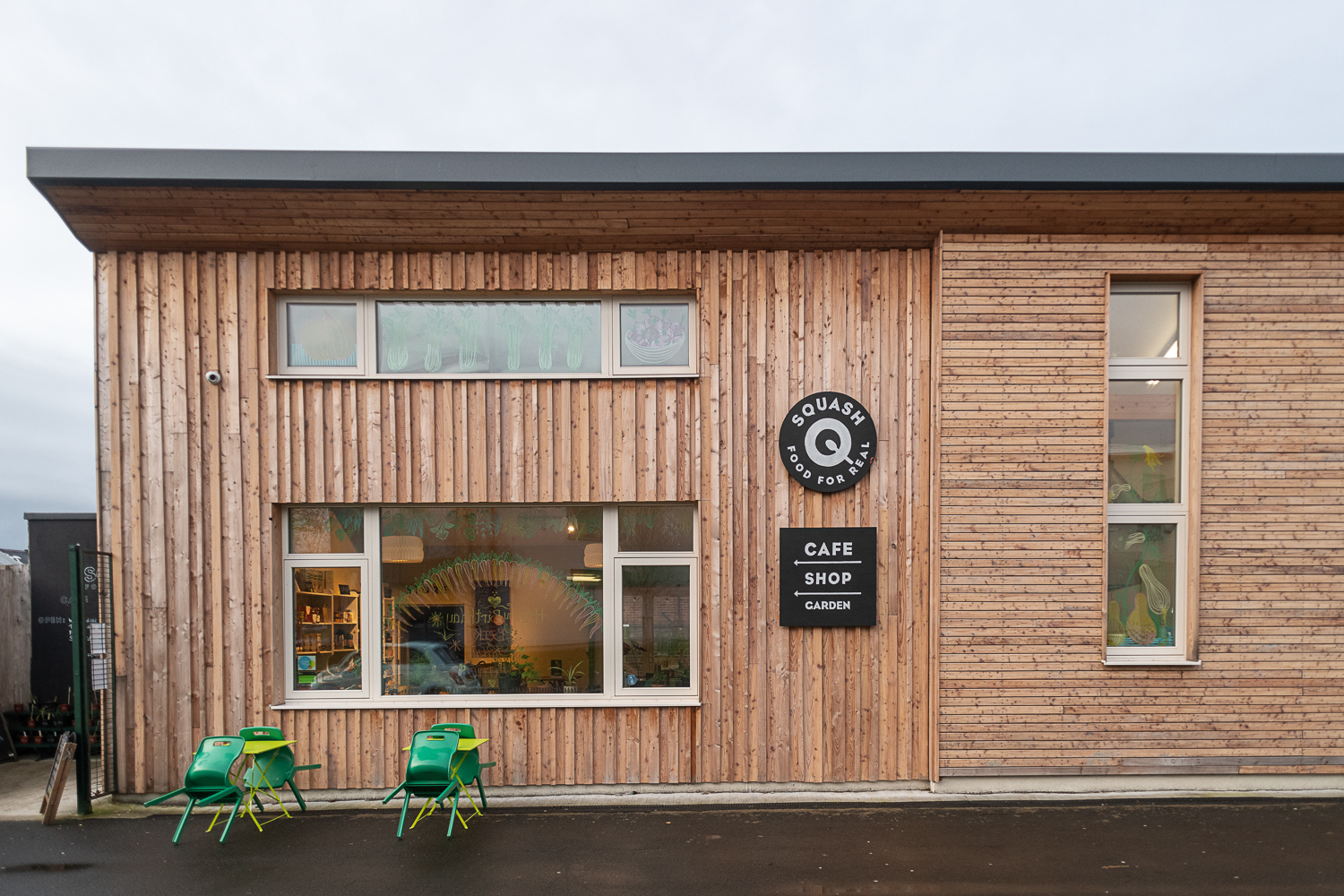
Over the years, the initiative blossomed into a fully-fledged ecological centre. In 2018, the new Squash farm building was opened—an energy-efficient structure housing a café, a kitchen, educational rooms, and a garden. The architects opted for simple yet ingenious solutions: a timber frame, recycled materials, and robust thermal insulation. Even part of the flooring was made from an old sports hall surface—a brilliant example of upcycling currently being widely discussed in the realm of sustainable architecture.
However, the heart of this project is not the building itself. From the very beginning, Squash was built as a community-led initiative. Volunteers carried out much of the work; local residents helped plant trees, set up the beds, and get the kitchen running. It is exactly through this level of participation that the farm gradually became a focal point for the local community—a place where gardening, cooking, and conversations about how the city can live a little more ecologically all intertwine.
How the Farm’s Ecological Model Works
If you look closely at Squash, it becomes clear: the farm operates on a closed-loop principle. This is an approach increasingly adopted by urban ecological initiatives—resources are kept in use for as long as possible, and organic waste is returned to the system rather than being sent to landfill.
In the case of Squash, this logic is most evident in their relationship with food. The farm grows vegetables, greens, medicinal herbs, and fruit trees. The plot is small, so the beds are organised quite densely, utilising mixed planting, vertical structures, and compact growing systems. Such methods have long been applied in European urban agriculture, as they allow for a greater yield from a limited footprint.
A portion of the harvested produce goes straight to the Squash café kitchen. Here, meals are prepared using seasonal ingredients, and it is not uncommon for greens or vegetables to travel merely a few dozen metres to the kitchen. For a city, this is quite extraordinary, given that most produce in British supermarkets travels hundreds or even thousands of miles.
Organic scraps left over from cooking are not thrown away. They are composted right there on the farm. A few months later, they turn into rich, fertile compost, which is then fed back into the vegetable beds. This forms a local cycle: soil – harvest – kitchen – compost – soil again.
For researchers of urban agriculture, this model is fascinating because it slashes food miles, reduces food waste, and maintains soil health. Meanwhile, local residents can see with their own eyes how food makes its journey from the soil straight to the plate.
Innovative Solutions at Squash Farm
The Squash project is notable because it unites several ecological approaches on a single site. They experiment with urban farming, sustainable construction, and educational programmes. Ultimately, the farm serves as a small-scale testing ground for practical solutions—ones that could be replicated in other areas of the city.
Ecological Construction
The Squash centre building was designed with energy efficiency principles at its core—excellent thermal insulation, large windows for natural light, and minimal heat loss. Recycled materials were heavily used during construction. For instance, part of the flooring was made from an old gymnasium surface, and the insulation was crafted from recycled paper. Such solutions significantly reduce the volume of construction waste whilst also lowering the cost of community centre projects.
The Farm as an Educational Hub
Squash also operates as an educational centre. They host classes on urban gardening, cooking, and sustainable eating. Schoolchildren, students, and local residents all take part in these programmes. This is a crucial component of their model. Experience shows that urban farms are far more resilient when the community is actively engaged in the process. People help tend the beds, participate in workshops, and gradually integrate ecological ideas into their daily lives.
Global Trends: Why Such Farms Are Appearing in Cities
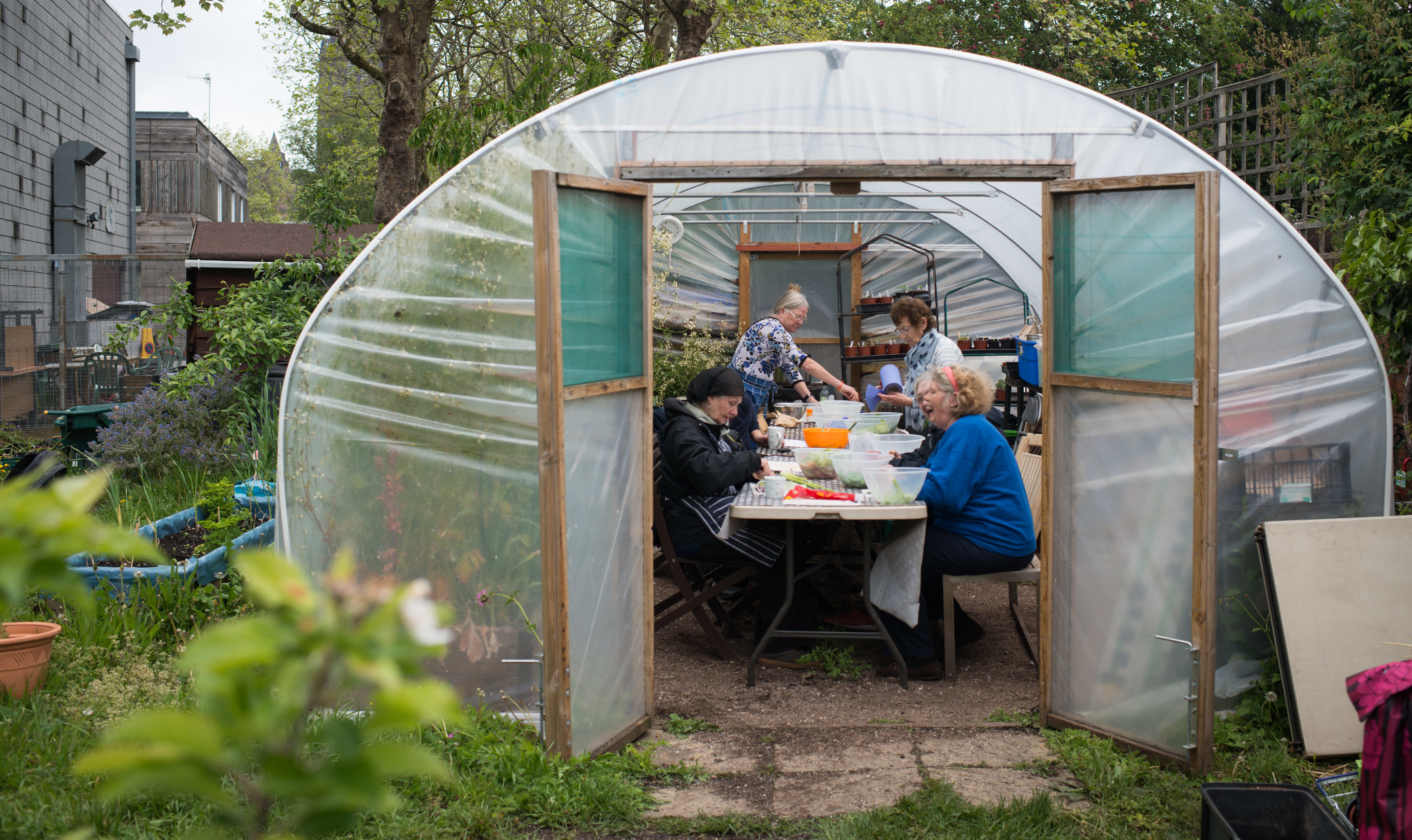
Squash Farm fits perfectly into the trending European and North American ecological movements that are currently gaining momentum in dozens of progressive cities. The core idea is to bring food production back closer to city dwellers—literally to the next street over.
Researchers in urban agriculture note that in the 21st century, major cities are increasingly looking for ways to shorten lengthy food supply chains. Local farms, community gardens, and small greenhouses offer a way to at least partially solve this monumental challenge.
The Rise of Urban Agriculture
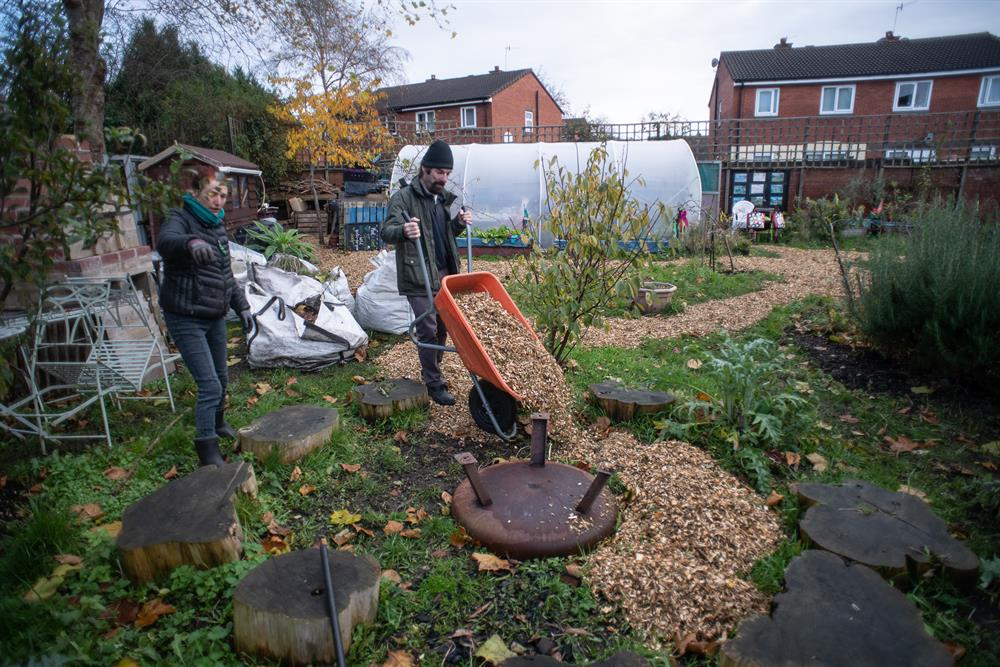
Urban farming is no longer a marginal practice. Over the last two decades, such farms have sprouted up in London, Berlin, Paris, New York, and dozens of other cities.
The reasons behind this are highly pragmatic. Firstly, local cultivation drastically reduces the so-called transport footprint of food. Secondly, green spaces improve the microclimate of neighbourhoods and boost biodiversity. Furthermore, they restore to city dwellers a fundamental understanding of exactly how their food is produced.
Local Food Production Systems
Another prominent trend is the integration of growing, cooking, and consuming food within a single area. This is precisely how Squash operates: the vegetable beds, the kitchen, and the communal dining space are all situated right next to each other.
For urban planners, this model is highly attractive because it radically shortens the chain between producer and consumer. This translates to less transport, less packaging, and significantly less food waste.
Conclusion: Communities as the Driving Force
Projects like this are rarely launched from the “top down”—just as the art of local bands like The Beatles or Frankie Goes to Hollywood was born at the grassroots level. Most often, these initiatives are created by local residents, grassroots community organisations, or small local cooperatives.
Squash in Liverpool is a textbook example of this model. A small farm began with the enthusiasm of a few individuals, but gradually became a vital cornerstone for the entire neighbourhood. And it is exactly this mechanism—where the community itself shapes and sustains its green spaces—that is increasingly viewed today as one of the most practical pathways to the greener cities of the future.