

Park · Liverpool · ⭐ 9.5/10 · 4331 reviews · updated: 2026-08-04 20:22:01
Address: Calderstones Mansion House, Calderstones Rd, Liverpool L18 3JB, United Kingdom
Calderstones Park — a suburban park with a Neolithic tomb inside it
Calderstones is the strangest park in Liverpool, and it hides the fact well. On the surface it is 126 acres of Victorian and Edwardian suburban parkland in Allerton: a Georgian mansion, a boating lake, a Japanese garden, an oak so old it has to be propped up. Underneath is something else entirely — six carved sandstone monoliths that were part of a chambered tomb standing here before the pyramids of Giza were finished. The Calder Stones gave the park, the road and the whole district their name, and their carved spirals and footprints tie this quiet corner of south Liverpool to the great passage tombs of the Boyne Valley in Ireland. You can walk past all of it, have a coffee at the Mansion House, and never realise you have been standing on one of the most important prehistoric sites in northern England.
Highlights
- The Calder Stones — six decorated Neolithic sandstone monoliths, the surviving elements of a chambered burial monument roughly four to five thousand years old, protected as a scheduled monument under the Ancient Monuments and Archaeological Areas Act 1979.
- The megalithic carvings — spirals, concentric circles, arcs, cup marks, cup-and-ring marks and, most unusually, human footprints. The footprint motif is rare in Britain and links the site directly to Irish passage tombs such as Newgrange and to Bryn Celli Ddu and Barclodiad y Gawres on Anglesey.
- Calderstones Mansion House — a Georgian house built in 1828 for Joseph Need Walker, bought by Liverpool Corporation in 1902 and used as council offices until 2012. Since around 2013 it has been the home of The Reader, and after restoration it reopened in autumn 2019.
- The Allerton Oak — an oak estimated at about a thousand years old, now supported on props, named England’s Tree of the Year by the Woodland Trust in 2019. Tradition holds that the local hundred court met beneath its branches.
- The Japanese garden — created in 1969 by the park’s own apprentice gardeners, a walled, cobbled enclosure of red maples, azaleas, camellias, rhododendrons and cherry, hidden in a quiet corner.
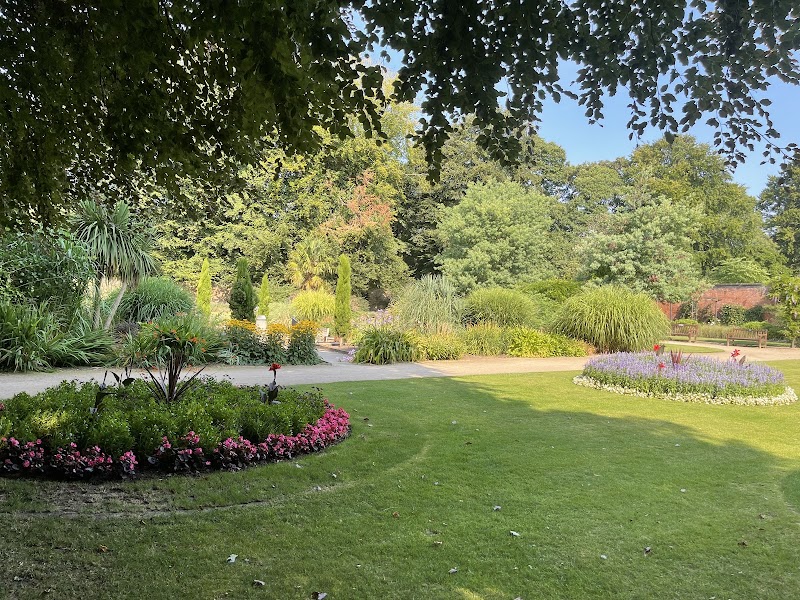
- The Old English garden — a large walled garden of trellised climbers, secluded paths, seating and a lily pond with koi, the park’s most sheltered space in any weather.
What you’ll find
The park is the result of two private estates being stitched together and handed to the public. It has the bones of a gentleman’s grounds — specimen trees, a serpentine lake, walled gardens, a stable block — and the fittings of a twentieth-century municipal park bolted on afterwards. That combination is why it feels domestic rather than monumental, and why families treat it as an all-day destination.
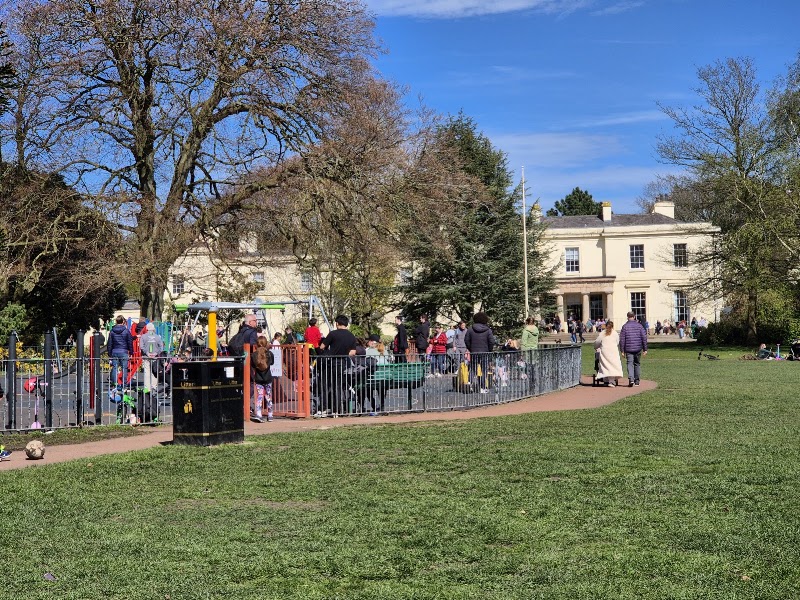
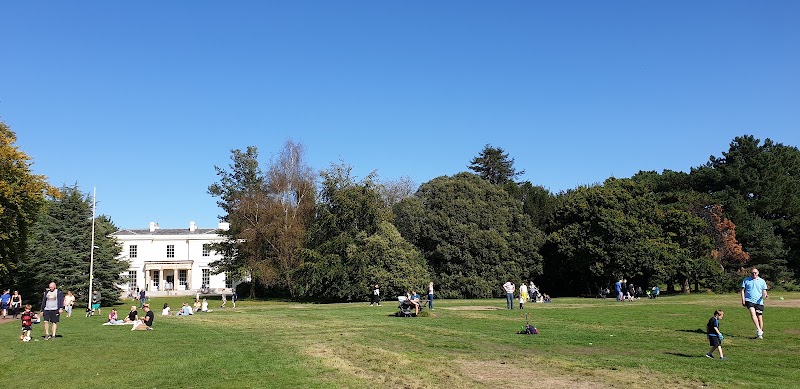
- Calderstones Mansion House, home of The Reader — a national charity for shared reading. Its restored building reopened in autumn 2019 as an International Centre for Shared Reading, described as the world’s first public building dedicated to reading and wellbeing, with a café and events programme.
- The Storybarn, a children’s storytelling attraction created in a converted outbuilding behind the house.
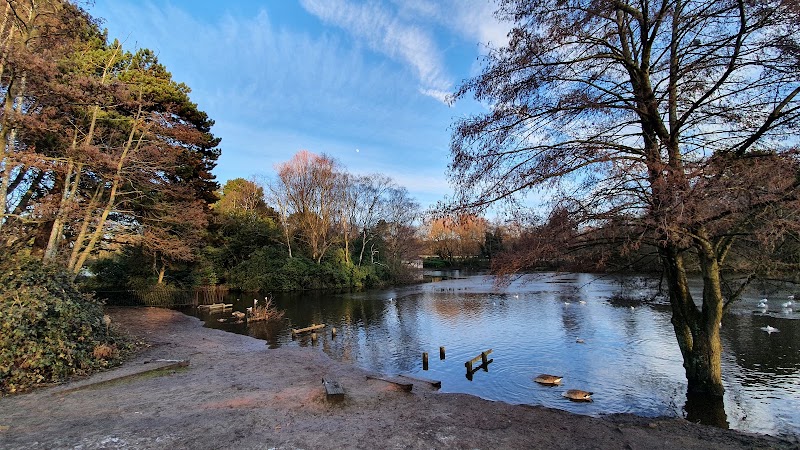
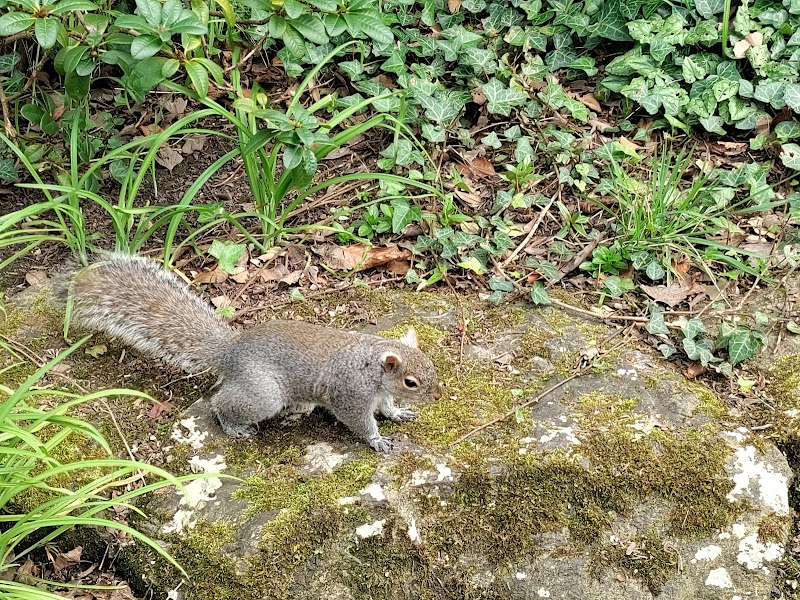
- The boating lake, opened in April 1933, with an associated bog garden and a resident population of geese, ducks and swans.
- The Linda McCartney playground, the park’s main children’s play area, with slides, swings and climbing frames.
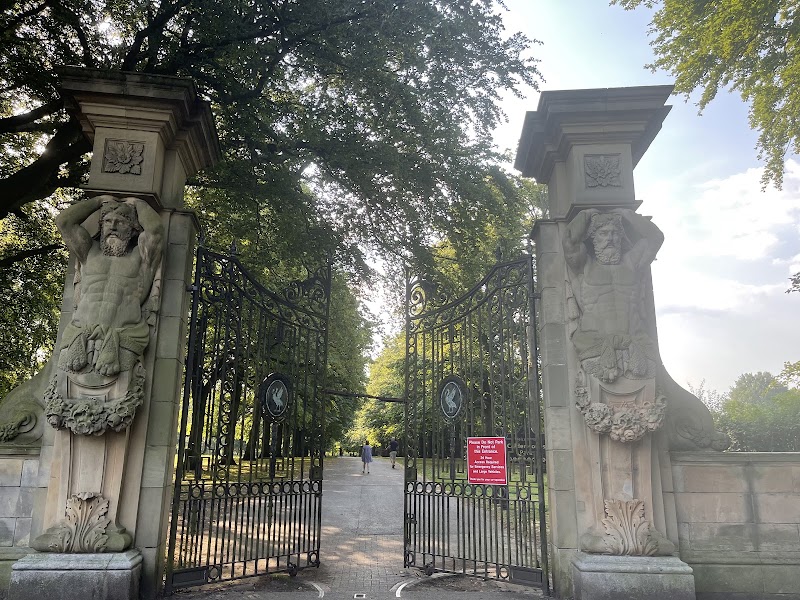
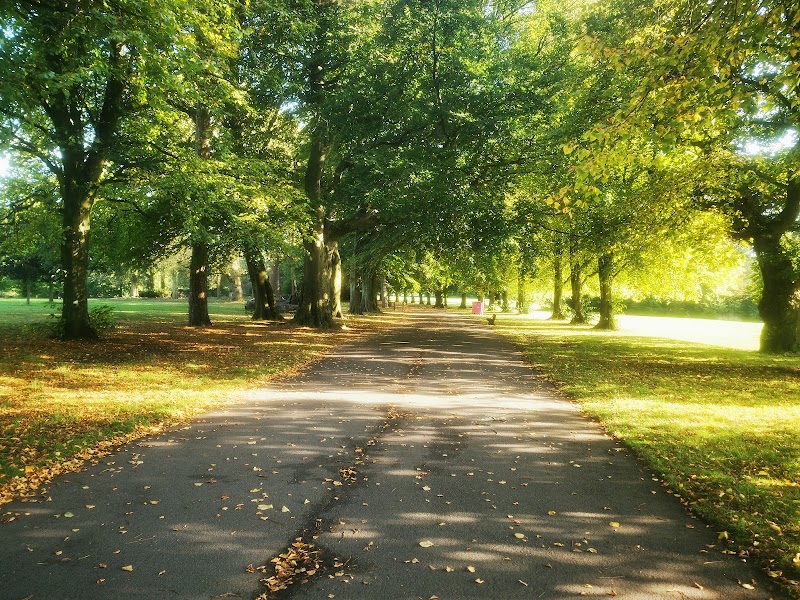
- Formal set-pieces from the interwar municipal period: the Four Seasons gateway of 1928 and the broad avenue laid out in 1931 and named Jubilee Drive.
- Extensive open lawns, mature specimen trees and long circular paths — the park’s day-to-day use is walking, running and dog-walking rather than organised sport.
Things to do — and who it’s for
- Anyone with an interest in prehistory — the Calder Stones are among the finest surviving megalithic art in Britain, and seeing them is free.
- Families with young children — playground, lake, ducks and the Storybarn add up to a complete day out without leaving the grounds.
- Gardeners — the Japanese garden and the Old English walled garden are small, intensively planted and genuinely worth the detour, especially between April and June.
- Readers and writers — The Reader’s shared-reading groups, courses and events run from the Mansion House year-round; this is a park with a literary institution living inside it.
- Walkers and runners — long, gently rolling circuits on made paths, quieter than Sefton Park and rarely crowded outside summer weekends.
- Tree people — the Allerton Oak alone justifies the trip, and the surrounding parkland holds a serious collection of mature specimen trees from the estate era.
Getting there & practical
Calderstones sits in the Allerton district of south Liverpool, roughly five miles from the city centre and about a mile beyond Sefton Park. On the railway there are two useful options: West Allerton, on the City Line towards Manchester, and Mossley Hill, on Merseyrail’s Northern Line — both are within a walk of a park gate, with West Allerton the closer of the two. Frequent city bus routes serve the Allerton and Woolton corridors from the centre, among them the 76 and the 86, and stop within a few minutes of the entrances. Entry to the park is free and it is open daily from morning until dusk, with several gates around the perimeter and on-site parking near the Mansion House. The Mansion House café and The Reader’s public spaces keep their own opening hours, and the Storybarn and some events and courses are ticketed separately from the park. The Calder Stones themselves are displayed indoors in a purpose-built space at the Mansion House rather than out in the open, so check the building’s opening times if the stones are your reason for coming. Allow ninety minutes for a walk with the gardens; allow half a day if you want the stones, the house and the lake.
When to visit
Spring is the park’s peak. The Japanese garden’s azaleas, camellias and cherry come through from April, the walled garden fills out, and the parkland’s specimen trees break at slightly different times, which stretches the season out over weeks. Summer is family season: the lake is busy, the playground is full, the lawns take picnics, and the Mansion House terrace becomes the obvious lunch stop. Autumn belongs to the trees — a park built around a thousand-year-old oak and an estate collection of mature specimens is a serious place to be in late October, and the walled gardens hold their colour longer than the open ground. Winter is the season to come for the stones and the house rather than the planting: the carvings are indoors and warm, the café is open, and the bare parkland shows the old estate layout more clearly than at any other time of year.
Good to know
The Calder Stones are the reason everything here is called what it is. They are the surviving uprights of a Neolithic chambered tomb — a passage grave — that stood on this ground in the third millennium BC. The covering mound was destroyed in the nineteenth century, and the stones were subsequently set up in a circle at the park entrance and later sheltered under glass; since the 2019 restoration they have been displayed indoors at Calderstones Mansion House in a purpose-built room. Their carvings have been sorted into six groups — spirals, concentric circles, arcs, cup marks, cup-and-ring marks and footprints — and it is the footprints that matter most to archaeologists, because they connect this suburban Liverpool site to the Irish passage-tomb tradition of the Boyne Valley and to Anglesey. A seventh stone, known as Robin Hood’s Stone, was originally part of the same group and now stands elsewhere in Allerton. The estate history is more recent and more ordinary: the Mansion House was built in 1828 for Joseph Need Walker, a lead shot manufacturer; the property later passed to the shipping MacIver family; Liverpool Corporation bought it in 1902 and the park opened to the public in 1905, with the adjoining Harthill estate added later to bring the grounds to their present 126 acres. The house served as council offices until 2012. The Allerton Oak, thought to be around a thousand years old, carries two stories: that the Allerton hundred court sat beneath it in the medieval period, and that its split trunk was caused by the explosion of the gunpowder ship Lottie Sleigh on the Mersey in 1864, which carried around ten tons of powder and shook windows for miles. The Woodland Trust named it England’s Tree of the Year in 2019. The park also had a serious botanic collection: work began in 1951 and was completed in 1964, with almost 4,000 species housed in sixteen linked glasshouses, before the range closed in 1984. The Japanese garden of 1969 was built by the park’s apprentices. The Reader arrived around 2013 and completed the Mansion House redevelopment in autumn 2019.
Visitor tips
- Time your visit to the Mansion House opening if you want to see the Calder Stones. They are indoors now, not standing in the park, and a Sunday-evening walk will get you the grounds but not the monoliths.
- Do the two walled gardens back to back. They are close together, entirely different in mood, and both are small enough that people walking the main circuit miss them completely.
- Come in April or May if you have one visit to spend. The Japanese garden’s maples and azaleas and the walled garden’s climbers peak together, and the parkland trees are in new leaf.
Questions & answers
How old are the Calder Stones? They are Neolithic, and formed part of a chambered burial monument thought to date from the third millennium BC — roughly four to five thousand years old. They are protected as a scheduled monument.
Where are the stones now, and can I see them for free? They are displayed indoors in a purpose-built space at Calderstones Mansion House, not out in the park. Access is free during the building’s opening hours, but that means the house’s hours, not the park’s.
What is carved on them? Spirals, concentric circles, arcs, cup marks, cup-and-ring marks and human footprints. The footprints are the rarest element and link the site to Irish passage tombs such as Newgrange and to Bryn Celli Ddu and Barclodiad y Gawres on Anglesey.
Is the park free? Yes. The park and its gardens are free and open daily from morning to dusk. The Storybarn and certain courses and events run by The Reader are ticketed separately.
How old is the Allerton Oak, and why is it propped up? It is estimated at about a thousand years old and is now supported by props because of its age and a split trunk, traditionally blamed on the 1864 explosion of the gunpowder ship Lottie Sleigh on the Mersey. The Woodland Trust made it England’s Tree of the Year in 2019.
What is The Reader and why is it in a park? The Reader is a national charity that runs shared-reading groups. It has been based at the Mansion House since around 2013, and the restored building reopened in autumn 2019 as an International Centre for Shared Reading — described as the world’s first public building dedicated to reading and wellbeing.
Is there a playground and a lake? Yes to both. The Linda McCartney playground is the main children’s area, and the boating lake opened in April 1933 and has a resident population of geese, ducks and swans.
How does it compare with Sefton Park? Calderstones is smaller at 126 acres, quieter, more garden-like and more domestic. Sefton Park is grander, busier and better for festivals and long runs. Calderstones has the archaeology, the walled gardens and the thousand-year-old oak.
Photos
Show 1 more photos
Visitor reviews
Reviews last updated: 2026-08-04 20:22:01
Data is refreshed monthly. Sources: liverpoolname.com and editorial picks based on reviews.
I love this park, everyone looks after it and they're super friendly. Definitely one for dog walkers. Of course, don't let your dog off the lead if it's aggressive, because there have been incidents here. Overall, though…
Lovely park, the gardens are fantastic. The oldest oak in the country, and there's the Calder Stone as well. Great café and bookshop. Such a big park that you can spend a few hours walking around it.
Calderstones Park is a real gem in the very heart of Liverpool and one of the city's finest green spaces. Whether you want a peaceful morning walk, a family day out or simply a place to sit and breathe, this park deliver…
Spring has definitely arrived this weekLush blossom everywhere you look. The first azaleas. Lots of wild garlic.
Lovely walk this afternoon with my dog. I'd have given 5 stars if the park were better maintained, but the paths along the sides of the park are all overgrown.