

In the modern era, no one is particularly surprised by greenhouses. These structures, with their glass walls and roofs, have long been a ‘home’ for growing plants that require specific climatic conditions. But what about greenhouses in Liverpool? Does our tourist city have such structures? Today, we’re going to talk about the lost glasshouses that once stood in Calderstones Park and beyond. Read more about it at liverpoolname.com.
A Huge Greenhouse Complex
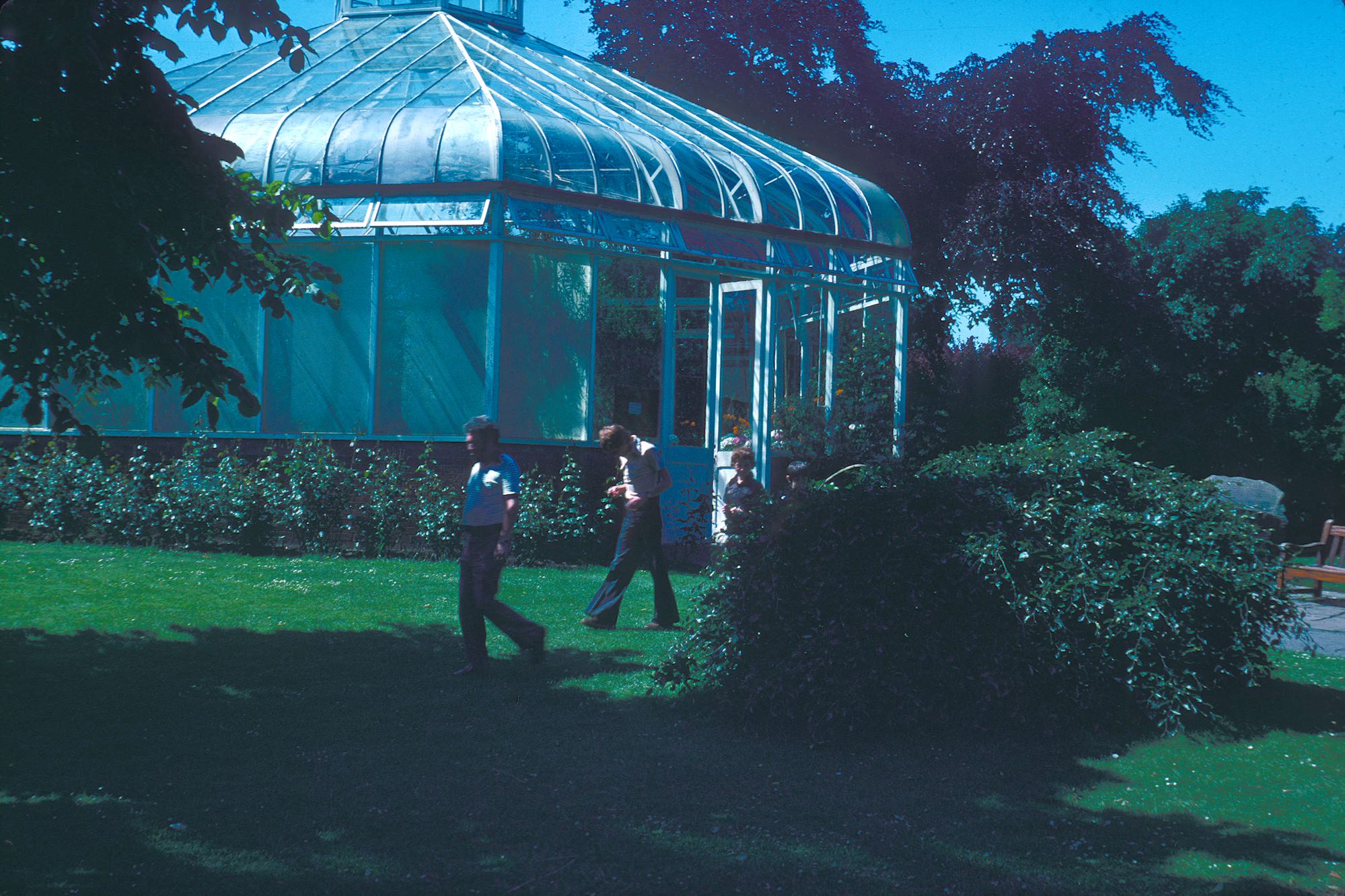
As recently as 1964, Calderstones Park was home to a huge complex of sixteen interconnected greenhouses, which housed the Liverpool Botanic Garden.
However, the story of greenhouses in Liverpool actually begins in the early 19th century. As is well known, the Port of Liverpool played a major role in international trade during that era. The port undoubtedly played a significant part in the city’s development. Notably, locals began to collect exotic plants brought back by merchants from overseas.
In 1802, a group of renowned plant collectors, doctors, and botanists decided to establish the first Liverpool Botanic Garden. At that time, the site was on the outskirts of Liverpool. These enthusiasts built a greenhouse at a cost of £240. For the period, it was a fantastic structure.
But it wasn’t just the scale that was impressive, but also its contents. Inside the greenhouse, the plants were meticulously arranged according to their family, species, and floral structure. This logical layout allowed Liverpudlians to study the plants for medicinal purposes. However, the garden was only open to those who paid an annual subscription.
The Subsequent Fate of the Botanic Garden
In 1836, the collection began to suffer. This was due to air pollution, as Liverpool had started to expand rapidly. Industrialisation had both positive and negative consequences, and the polluted air was damaging the delicate exotic plants.
A new glasshouse for the exotic collection was built on Edge Lane in Wavertree. In 1841, the Liverpool Corporation purchased the glasshouse and opened it to the public. Its opening was a huge success, as many people saw certain exotic plants and flowers in person for the first time.
A century later, however, this glasshouse was destroyed. The Second World War and the bombing of Liverpool in 1941 did their destructive work. Many of the city’s buildings were destroyed during that time, and the glasshouses were no exception.
After the war, the Liverpool Corporation hired Percy Conn to manage the city’s parks. He decided to restore the botanic garden, but not on its old site. Conn designed a complex of greenhouses in Calderstones Park, requesting £32,000 for his project. However, with funds scarce after the war, he was allocated only £1,350. Despite the limited budget, the greenhouses were built and opened in 1964. It’s worth noting that the conservatory housed over 4,000 plant species brought by merchants from all over the world. The materials used were cheap, but the citizens were delighted, as the botanic garden was beautiful. Over time, however, the poor-quality materials began to decay, and the glasshouses were closed and demolished in 1984. All that remains of this beautiful attraction are photographs and warm memories.
For context, Calderstones Park itself was established as a public park in 1905 and covers over 126 acres. It is a popular spot for families, with a children’s playground, architectural landmarks, interesting natural features, a lake, and a café.
This is the story of the greenhouses that once operated in Liverpool. These structures were popular among local residents, as they allowed people to see exotic plants with their own eyes. We hope you found this article informative and learned something new about your home city.
Do you love exotic plants and flowers? Let us know on social media.