

Liverpool is a coastal city that sees a great deal of rainfall. With the increased risk of flooding, the need for effective water drainage is more pressing than ever. It’s clear that to coexist harmoniously with nature, our city must manage its surface water. So, what methods are used in Liverpool? What challenges does the city face? And how can residents help? Let’s take a closer look at liverpoolname.com.
Key Surface Water Management Systems in Liverpool
First, let’s talk about the city’s drainage systems, which are the primary tools for managing surface water in Liverpool. Open channels direct water flow towards rivers and reservoirs, while underground collectors intercept stormwater runoff, reducing the risk of flooding. For example, in the Liverpool borough of Sefton, water flow is managed using models based on 1-in-100-year storm events. This involves simulating rainfall events that have a 1% chance of happening in any given year, although they could occur more frequently due to climate change. This innovative approach helps prevent the drainage infrastructure from becoming overwhelmed.
Another interesting method is the use of permeable surfaces. The city is implementing this technology to reduce surface runoff by allowing water to soak naturally into the ground. This includes special pavements, car parks, and even certain road surfaces, all of which ease the load on the drainage system. Particular attention is also paid to On-Site Stormwater Detention (OSD) systems, which regulate the rate of rainwater discharge and help prevent soil erosion.
The authorities also recognise the importance of using eco-friendly solutions to tackle these challenges. This is a crucial part of the city’s surface water management strategy. Liverpool is developing Sustainable Urban Drainage Systems (SuDS), which include:
- Green roofs (with examples in Liverpool and Wroclaw), which reduce the volume of runoff by capturing a portion of rainfall on the plant-covered surface.
- Drainage parks. These are specially designed areas that can hold and gradually release rainwater, mitigating the risk of flooding.
- Biofilters and rain gardens. These are plant-based systems that filter water, helping to clean it before it enters the city’s water system.
In addition to their primary function, these methods also improve the urban environment and enhance Liverpool’s ecological sustainability.
A Brief Analysis of Surface Water Management Challenges in Merseyside
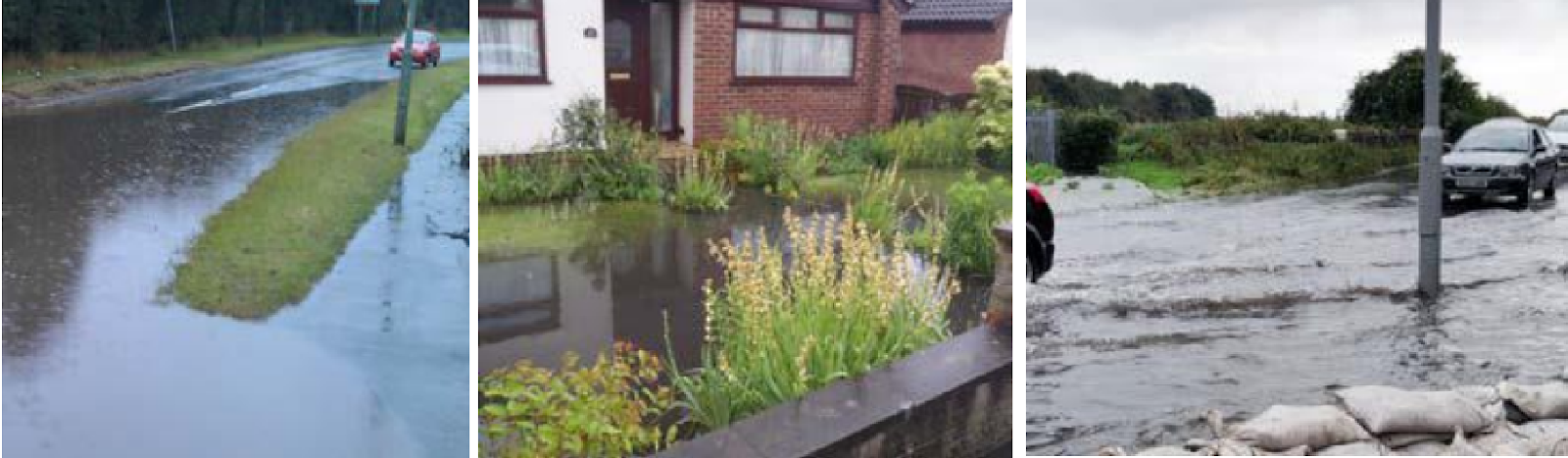
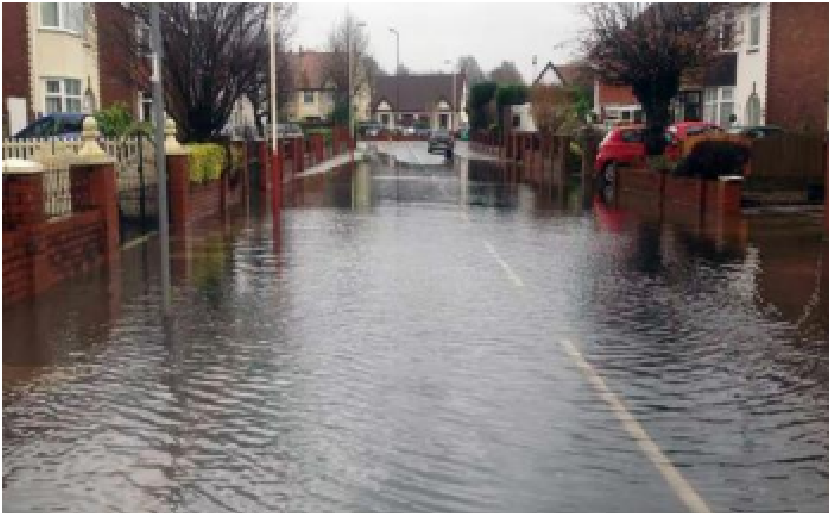
Liverpool’s infrastructure faces several challenges that are not easily solved. Intense rainfall, rising sea levels, and outdated drainage systems all increase the risk of flooding, especially in coastal areas.
Why is the infrastructure struggling? Liverpool’s location on the Mersey Estuary places it in a high-risk flood zone. The main reasons for the problems are quite clear:
- Climate change. An increase in heavy rain and storm surges is overloading the sewage and drainage systems.
- Ageing networks. Many of the city’s drainage systems are old and not equipped to handle modern demands, making it difficult to manage water during extreme weather.
- Older buildings. In the past, some areas were developed without considering flood risks, which creates additional problems today.
Liverpool has been hit by flooding on numerous occasions. In one instance in 2021, heavy rains led to widespread flooding of roads and residential areas, prompting local authorities to urgently review their flood defence strategy. Coastal areas like Sefton constantly experience coastal erosion, which also heightens the risk of flooding.
So, are the city authorities tackling these problems? Yes. For instance, they are inspecting the condition of drainage networks, upgrading old systems, and building new flood defences. Restrictions on construction in high-risk flood zones, particularly in coastal areas, are also being introduced. Furthermore, data on water levels, coastal conditions, and groundwater changes are being collected to better inform future planning.
Managing Surface Water at Home
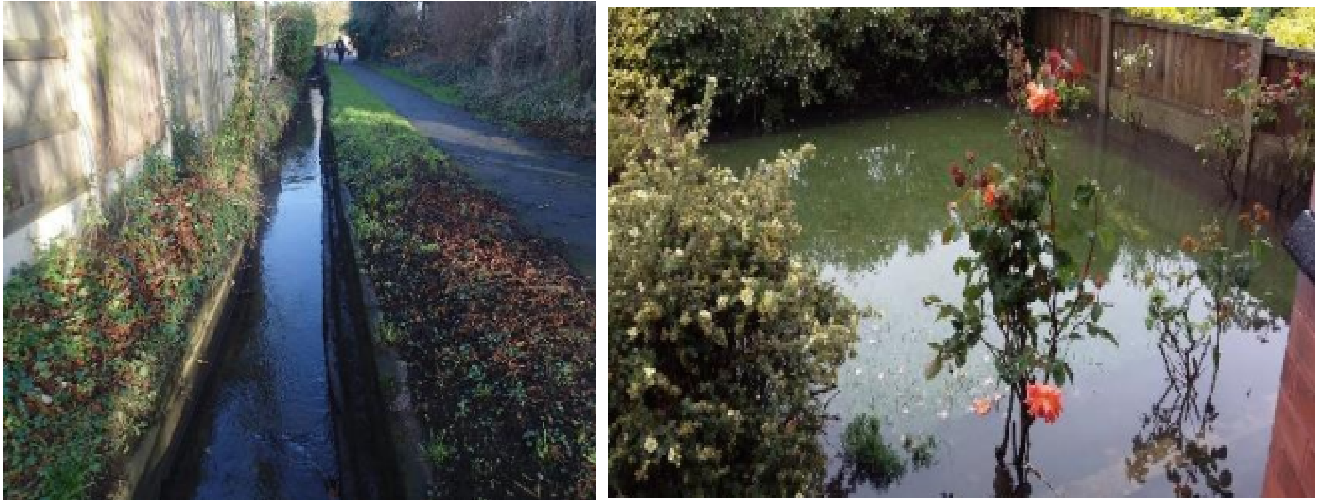
Have you spotted any ideas from the above that you could use at home? How can you minimise the impact of surface water on your property? These methods can be applied not just by the authorities in Liverpool, but by you in other UK cities as well.
- First and foremost, you could install rain gardens or green roofs.
- It’s also wise to pay attention to your drainage systems and overflow devices—technical structures that help regulate or divert water flow. However, they need to be regularly checked and cleared of debris.
- Water-absorbent materials. Using these in yards and driveways is an excellent idea that will certainly reduce surface water runoff. Soakaways and rain barrels work on a similar principle, helping to reduce the flow of water into the public sewer system.
It’s clear that Liverpool’s experience in surface water management offers an interesting example of effective and innovative solutions. However, when applying similar ideas to your own home, especially for larger projects, it is essential to consult with your local authority to ensure you comply with the law.