

Liverpool has a rich history. It is a city that has constantly evolved and improved with each passing year. It has also been home to many famous figures who built their careers in Liverpool. Today, we’re going to talk about the renowned civil engineer James Newlands, who designed the world’s first integrated sewerage system. And it happened right here in our home city. Thanks to this system, drinking water was no longer contaminated by sewage. As a result, the number of deaths in Liverpool from cholera and other diseases decreased dramatically. Read more about the life and work of the engineer who changed Liverpool at liverpoolname.com.
Childhood and Education
The future engineer was born in Edinburgh. He grew up in a large family and attended the Royal High School. After leaving school, James Newlands enrolled at the University of Edinburgh. In addition, James was also artistic: he enjoyed drawing and played the flute and piano.
Newlands married in 1845, but his wife died just three years later. He remained a widower for the rest of his life and never remarried.
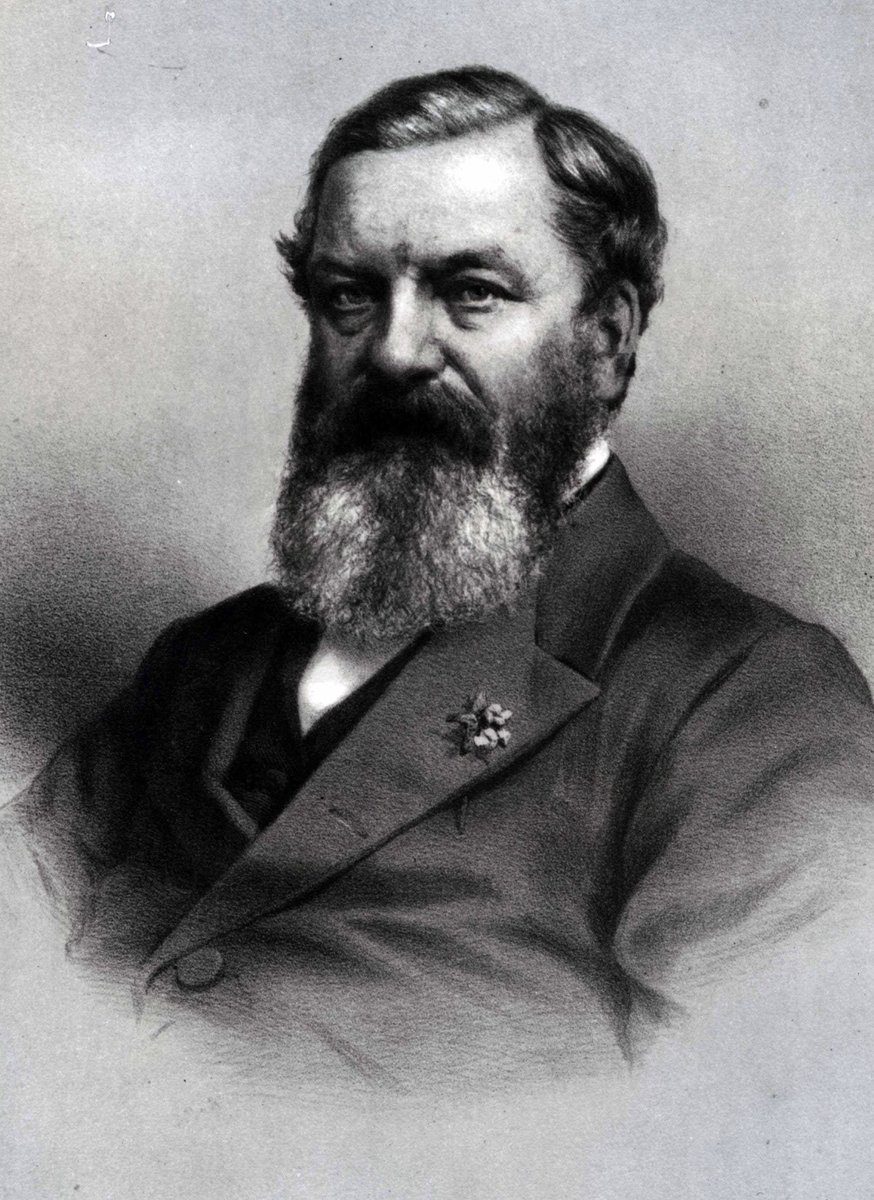
The Invention That Changed the Lives of Liverpudlians
Following the Liverpool Sanitary Act of 1846, James Newlands was appointed as the UK’s first Borough Engineer. He was paid a salary of £700 and was also provided with a horse for his duties. The engineer spent his first year in the role meticulously surveying Liverpool and its surroundings. Based on these observations, Newlands created a contour map of the town. He then set about designing a comprehensive system of main and subsidiary sewers and drains, totalling almost 480 kilometres (300 miles) in length. In April 1848, he presented his plan to the Corporation. Newlands’s design was innovative, particularly its use of egg-shaped sewer tunnels. This shape was ideal for ensuring a free flow of water and preventing blockages.
In July 1848, the engineer began the sewer construction programme. Notably, this work started ten years before London’s own famous sewer system was built.
Over eleven years, 138 kilometres (86 miles) of new sewers were built under his supervision. A further 93 kilometres (58 miles) were added later. It is remarkable to note that before the construction of the sewer system, the average life expectancy in Liverpool was just 19 years! By 1871, the average life expectancy in the city had doubled.
Benefits for the City
It should be noted that James Newlands did many beneficial things for Liverpool. He worked extensively on the city’s main roads and designed the Cornwallis Street and Margaret Street Baths. In addition, the engineer improved the city’s lighting and was a proponent of creating more public baths. Overall, he had a forward-thinking, holistic view on the development of public health in the city and the country.
After his successful career in Liverpool, the British government asked the city’s authorities to release Newlands to travel to the Crimea as a Sanitary Commissioner. He was tasked with helping to combat the outbreak of disease during the Crimean War.
James Newlands died at the age of 57. He was loved and respected by the people of the city, and his funeral was attended by many.
James Newlands is an outstanding figure in the history of Liverpool. Thanks to his engineering innovations, our home city changed for the better, with mortality rates falling and the health of its citizens improving.
We hope you found this article informative and learned something new about your home city.
Which other famous Liverpool engineers do you know? We look forward to your comments on social media. Your opinion matters to us.