The energy crisis, climate change, and the extinction of various plant and animal species all signal that our planet is demanding change with increasing urgency. While we’ve made progress in harnessing wind and solar power, tidal energy remains a largely unexplored resource. Now, an incredible project is emerging in Liverpool that promises to redefine the rules of the energy game. What it is, how it works, and how much energy it generates – we explore it all on liverpoolname.com.
What is a Tidal Lagoon and How Does it Work?
One of the most ambitious projects in the energy sector – a tidal system on the River Mersey in Liverpool – promises clean energy for hundreds of thousands of homes. What’s more, it represents a new model for the coexistence of engineering and nature. We’re talking about a tidal lagoon structure – a contained lagoon that “captures” tidal energy more gently than traditional dams. This solution could make Liverpool a pioneer in a new form of eco-friendly energy.
A Tidal Lagoon is an artificial structure in the sea that forms a lagoon, isolated from open waters. As the tide pushes water into the lagoon, and then as the ebb tide draws it back out through turbines, electricity is generated. The uniqueness of this approach lies in its bidirectional generation: energy is produced both as water enters and exits. It also offers greater control. The lagoon allows for more precise forecasting of production volumes and less dependence on the whims of the weather.
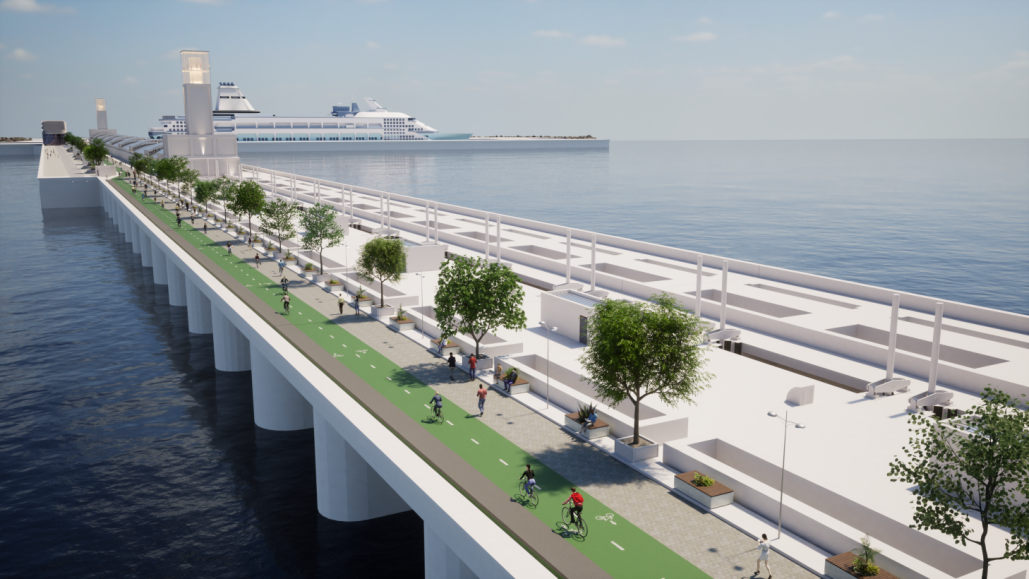
Unlike conventional dams, which often completely block rivers or estuaries, a tidal lagoon does not drastically alter the current or create critical barriers for migrating marine species. This makes it a “softer” option, capable of powering homes in a way that preserves the surrounding ecosystem.
How Much Energy Can Liverpool’s Tidal System Generate?
Estimates suggest that the tidal system on the River Mersey could generate up to 1 gigawatt of power – enough to supply electricity to over 1 million homes. Annual output is projected to be around 2 terawatt-hours, which is almost a third of the region’s total consumption.
Such a volume is possible due to the unique geography: the Mersey estuary has one of the highest tidal ranges in the UK. The system is designed for two generations per day – during both high and low tides, ensuring a stable energy production schedule. This is a significant advantage over solar or wind power, which are dependent on weather conditions.
This type of project also boasts another strong point – longevity. Tidal lagoon structures can last for 100 years or more, meaning that even a high construction cost pays off in the long run.
Ecology: Benefits and Caveats
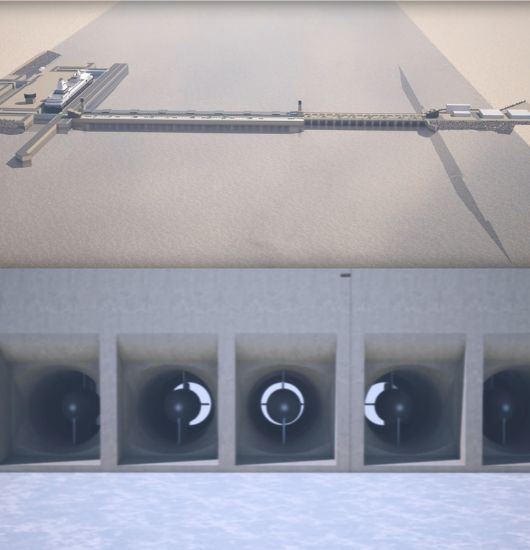
Any intervention in the natural environment carries risks, and a tidal lagoon is no exception. The primary concern is the alteration of conditions for fish, birds, and marine invertebrates that inhabit the Mersey estuary. This is particularly relevant for migratory species, for which changes in currents or sediment deposition could create significant problems.
However, the project incorporates several solutions designed to mitigate negative impacts. Firstly, the lagoon does not completely block the estuary, unlike dams. Secondly, bidirectional generation allows for careful timing of water flow, thereby reducing pressure on fauna. The design also includes plans for special fish passages, and calculations for sedimentation and impact on sandbanks are being studied separately.
Public support also plays in the project’s favor: over 90% of participants in regional consultations approve of the construction idea. This indicates that ecological concerns are not being ignored here; rather, they are actively being considered by both engineers and the community.
Big Numbers: What Does it Cost and Who Pays?
The Mersey tidal lagoon is not a cheap project. Preliminary estimates suggest construction could cost up to 3.5 billion pounds sterling. The main expenses are turbines, concrete structures, and coastal reinforcement.
Despite the high price, proponents of the lagoon model emphasize that a lifespan of 100+ years and projected production stability make the project economically viable in the long term. For comparison, most wind turbines serve for 25–30 years – and leave their own mark, though somewhat different from The La’s.
The challenge lies in securing initial capital. The project requires government support in the form of Contracts for Difference (CfD), which guarantee a fixed price for energy. However, traditional 15-year CfDs are unsuitable; investors propose extending the term to 35 years to make the lagoon an attractive investment.
The creation of a special tidal energy fund or the involvement of pension funds, which are interested in long-term stable projects, is also under discussion.
Why Liverpool?
Liverpool is naturally at the center of this initiative. Firstly, the River Mersey has one of the largest tidal ranges in Britain – up to 10 meters. Secondly, the region has long been seeking a new role following industrial decline, and focusing on green energy seems a logical choice here.
Liverpool’s city authorities are actively promoting the idea as part of the region’s energy independence strategy. They have conducted preliminary studies, established partnerships with academics and companies, and initiated public consultations that have received overwhelmingly positive feedback.
This is a pilot project for the entire United Kingdom. If the Mersey lagoon proves successful, similar structures could appear in other estuaries.