For Liverpool, there’s a significant story that will shape the city’s future. It’s the story of water — the water that stagnated for decades in neglected docks until the city decided to breathe new life into it. The website liverpoolname.com has prepared a comprehensive analysis on the topic:
- how mussels became the main allies of environmentalists;
- what was retrieved from the dock beds during deep cleaning;
- how old quays influence the future of the urban environment.
Here’s what they found out.
Liverpool’s Biofilters: How Mussels Rescued the Water
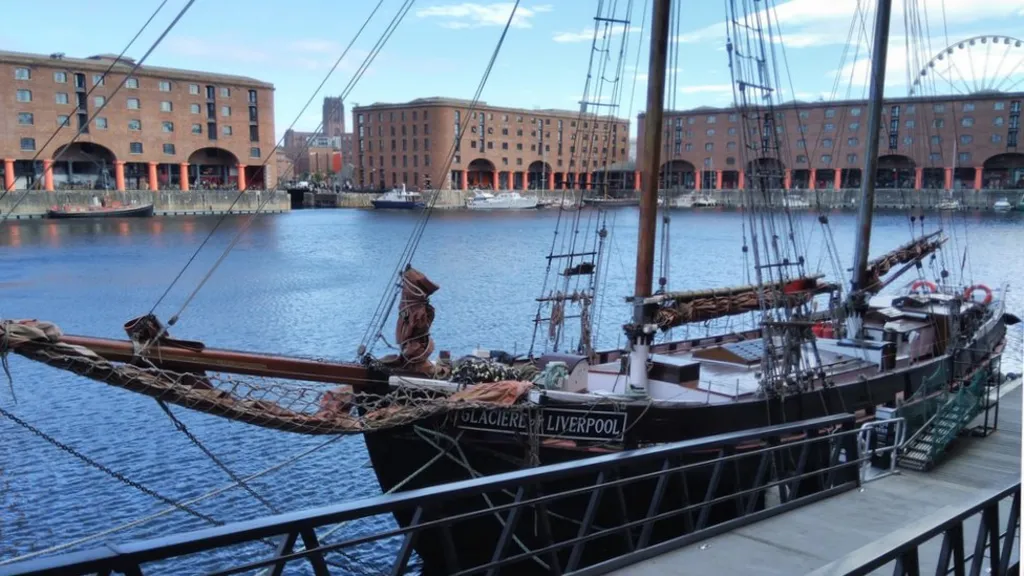
Royal Albert Dock, once the industrial heart of Liverpool, is now a major tourist attraction. But beneath its surface, a process is unfolding, unnoticed by most passers-by. We’re talking about mussels, specifically thousands of Mytilus edulis individuals that have settled on the dock walls and are cleaning the water themselves.
Marine biologists’ research has shown that these bivalve molluscs act as natural filters. They draw in water, trapping microplastic particles, organic residues, and phytoplankton. A single square metre covered by mussels can filter up to 25 litres of water per hour. Over the years, these colonies have grown so extensively that they’ve significantly impacted water quality — turbidity levels have decreased, oxygen balance has improved, and conditions for the return of certain fish species have emerged.
This process has been ongoing since the 1980s, although serious attention was given to it somewhat later. Researchers from Liverpool John Moores University call mussels “ecosystem engineers” because they not only clean the water but also change the chemical composition of their environment.
This is an example of how nature itself can become an ally in urban projects and a participant in ecological developments. In the docks, where cargo ships from all continents once moored, an invisible biofiltration mechanism is now at work. And its efficiency is entirely comparable to man-made systems — only without the noise of pumps and without electricity costs.
Deep Cleaning
In addition to natural filters, the old docks required more radical intervention — especially where accumulated debris and silt threatened not only the ecosystem but also future development projects. For instance, at Princes Dock, the company Water Witch conducted a deep clean, removing what usually remains hidden from view: styrofoam, plastic bottles, algae, and packaging fragments. All of this amounted to tens of tonnes, and the scale of plastic pollution in the Mersey was described as catastrophic.
These efforts were part of a broader environmental campaign aimed at both external appeal and the restoration of the aquatic environment’s functionality. Simultaneously, in other parts of the dock area, such as Bottle, seabed surveys were conducted to identify potentially dangerous objects. This refers to UXO — unexploded ordnance from wartime, which could impede new construction or threaten aquatic flora and fauna.
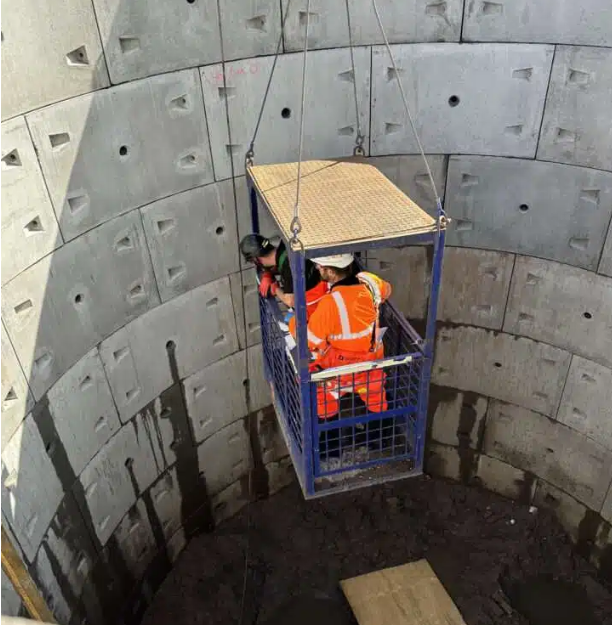
Cleaning the docks was a necessary step before the start of reconstructions and the launch of new facilities. But it wasn’t always limited to technical tidying. Often, it was a dialogue with the past. In Stanley Dock, for example, restoration included cleaning not only buildings like the Tobacco Warehouse but also the surrounding water space. These actions combined environmental remediation with infrastructure renewal.
Symbolically, where layers of history once accumulated — coal dust, packaging debris — clearer water now flows again. And although it’s not yet perfect, in many places it has regained its ability to sustain life.
Docks as Ecological and Social Hubs
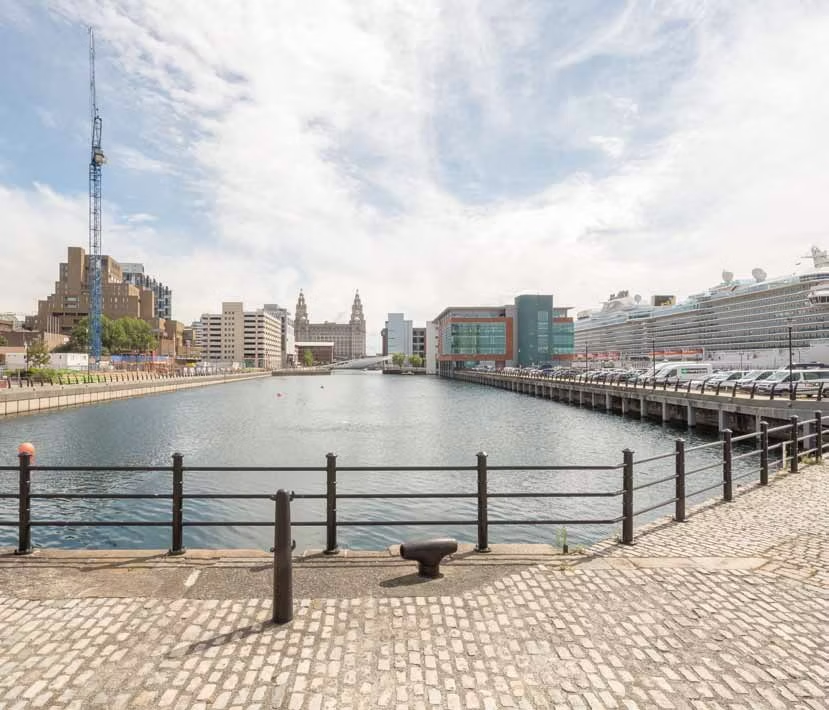
What do you associate with the history of Liverpool’s docks? Transport? Trade? While all of that is important, don’t forget about memory, identity, and responsibility. They were once a window to the world for the British Empire, and also a dark symbol of the transatlantic slave trade. Today, these areas are transforming into places for reflecting on the past and, simultaneously, tools for shaping the future. Without them, locations like the Liverpool Business District wouldn’t exist, although at first glance, the connection might not be obvious.
One example is the area around Canning Dock. Here, near the International Slavery Museum, work was done to clean the seabed, improve access to the water, and renovate the embankment. Thanks to these changes, the area has become more open: both physically and socially. Water has once again become part of urban life — it can be seen, felt, and interacted with without barriers.
This ecological transformation is part of fostering a new attitude towards the urban environment. Modern projects in Liverpool increasingly integrate a “green” philosophy into architecture and planning: this includes water harvesting systems, greening of embankments, and the restoration of natural coastlines within the city.
However, not everything in this story is straightforward. Ambitious development plans, including the construction of the new Everton stadium or residential complexes in the Liverpool Waters area, also had an adverse effect. In 2021, Liverpool lost its UNESCO World Heritage status — precisely due to what international experts considered excessive commercialisation of the historic waterfront.
This conflict between preservation and transformation remains relevant. But, as the example of water purification shows, even in an environment with such a complex past, it’s possible to find a point of equilibrium.
The habit of seeing only the past in industrial spaces is misleading. Liverpool’s docks remind us: former production areas can live on if they are given new meaning. Sometimes it’s enough to remove the superfluous for the valuable to emerge. And sometimes, it’s worth creating conditions in which nature itself can do its job.