Calderstones Park in south Liverpool is a place where history merges with nature. Here, you can see megaliths with mysterious symbols that hold the memory of the Stone Age, and look up at the branches of an oak tree that has stood guard over human stories for a thousand years. Nearby, there are traces of a former botanical garden, a modern nature reserve, and an area for the whole family to relax. This article on liverpoolname.com will tell you about the ancient stones, the legendary Allerton Oak, the greenhouses and the reserve, as well as the modern life of a park that preserves both the past and the city’s green future.
Calderstones Park in South Liverpool – Key Information
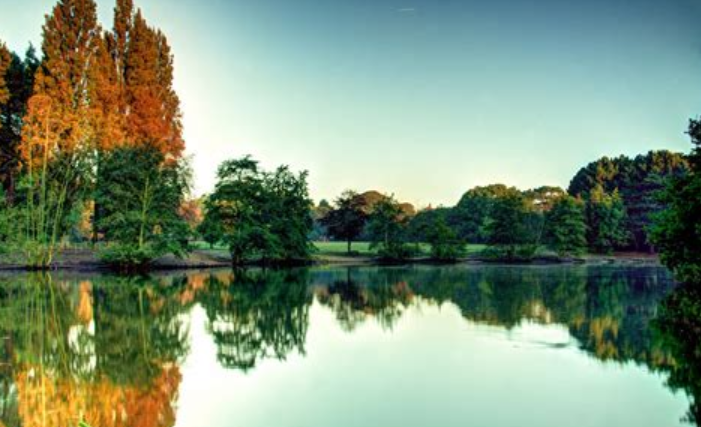
Calderstones Park spans over 90 acres in a scenic part of south Liverpool. It is one of the city’s largest and most beloved green spaces, combining open meadows, quiet pathways, a lake with waterfowl, and wild nature corners. The park was opened to the public in 1905, and since then it has become a true magnet for residents and visitors alike.
The name Calderstones comes from the ancient megaliths that have survived here since the Neolithic era. It is these stones that distinguish the park from other urban green spaces: here, history is not presented in a museum display but is literally embedded in the landscape.
Today, Calderstones Park is an ideal place for a walk or a picnic, but also a living encyclopedia of nature and culture. It combines the functions of a city park, an archaeological monument, and a botanical garden. This very layering is what makes it unique among Liverpool’s locations.
Stones that Remember the Neolithic
In the very heart of the park lies one of Britain’s most ancient monuments – the famous Calderstones. These are six massive sandstone blocks that were once part of a burial mound erected in the 4th to 3rd millennia BCE. They are over 5,000 years old and gave the park its name.
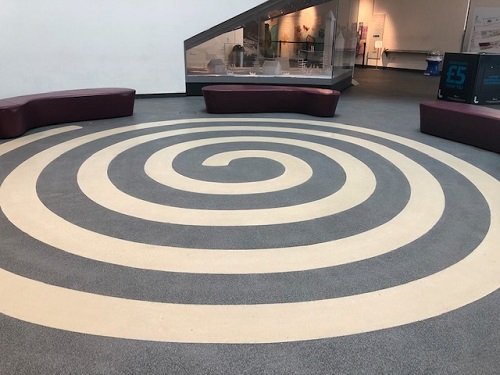
The surface of the stones is decorated with carvings: spirals, concentric circles, arches, footprints, and the so-called “cup and ring marks” – symbols that are also found in the famous Newgrange in Ireland and on the Welsh island of Anglesey. This testifies to the shared cultural traditions of different regions of ancient Europe.
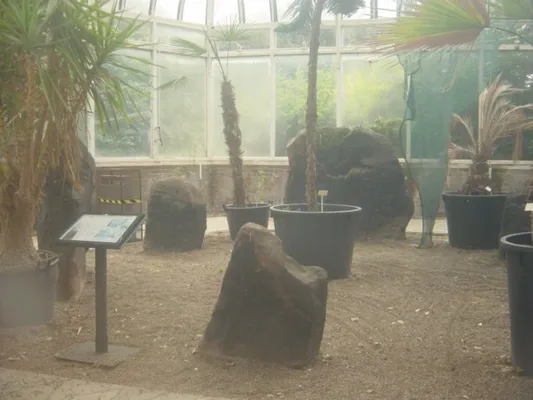
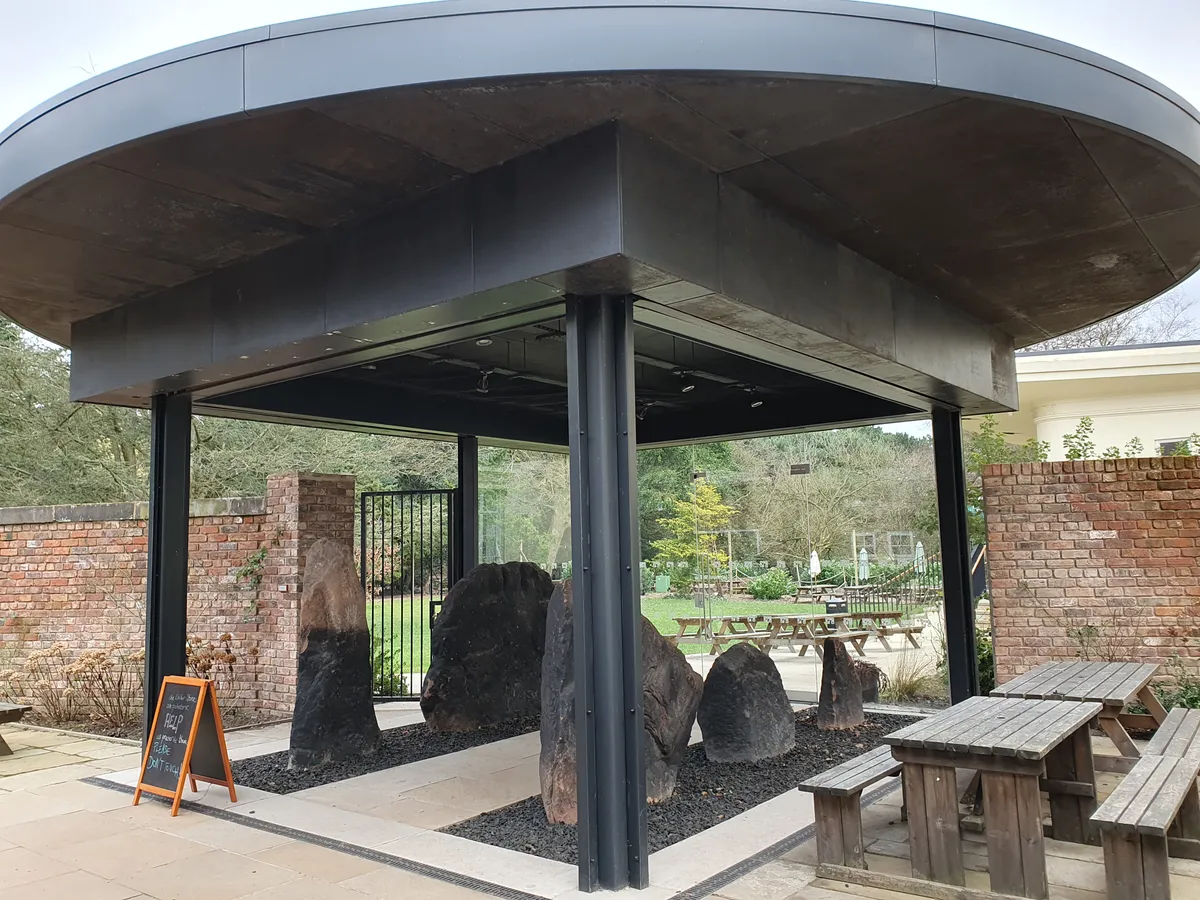
To protect the artefacts from rain and wind, the megaliths were moved to a special glasshouse within the park. Here, they are preserved in stable conditions but remain accessible to visitors. Near the stones, you can feel a special atmosphere: as if time slows down, and you stand on the border between the modern city and the Stone Age.
These stones are important for understanding the earliest history of Liverpool and its surroundings. They are a reminder that modern urban life grew on ground where people have been leaving their traces for millennia.
The Allerton Oak: A Thousand-Year-Old Witness
Among the many trees in Calderstones Park, the Allerton Oak holds a special place – an oak tree whose age is estimated at over 1,000 years. Its sprawling branches spread out so wide that special metal supports had to be installed to hold them up. It is one of the oldest and most revered trees in all of Liverpool.
Many legends are associated with the oak. The most famous one tells that in the 13th century, local court hearings took place under its branches. This is easy to imagine: the huge tree could have served as a natural roof, and its shade would have been a gathering place for the community.
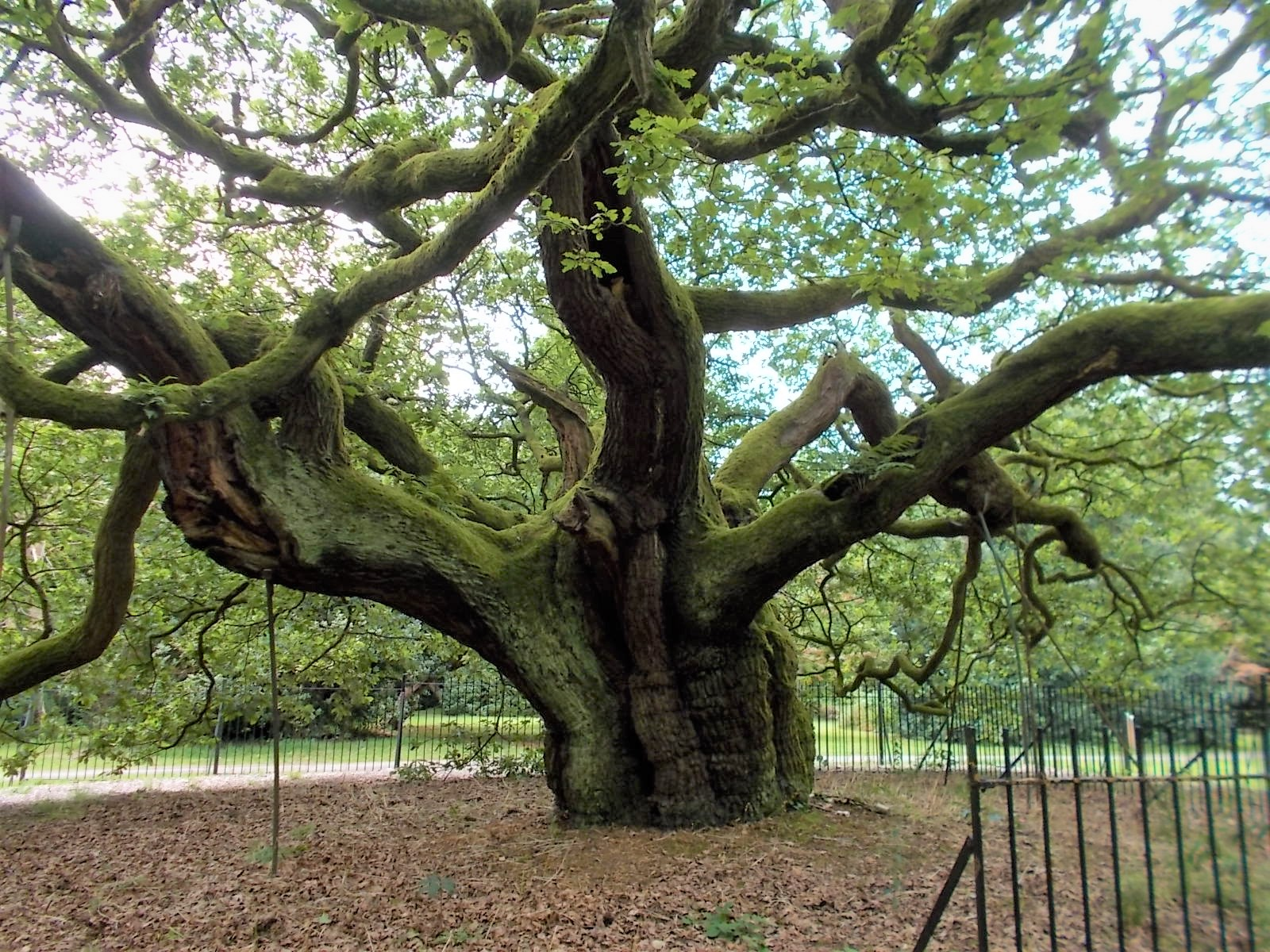
In the 19th century, the Allerton Oak was damaged by a powerful explosion. In 1864, the ship Lottie Sleigh, loaded with gunpowder, exploded on the River Mersey, and the blast wave damaged the oak’s crown. However, the tree survived and continues to live, albeit with scars on its trunk.
In 2019, the Allerton Oak was awarded the “Tree of the Year” title in England and also represented the country in the European competition. For many Liverpool residents, it symbolises resilience and a connection between generations. A walk near this oak is a reminder that nature can be a true chronicler of history.
From Greenhouses to a Nature Reserve
The history of Calderstones Park’s botanical space dates back to the early 19th century, when one of Liverpool’s first botanical gardens operated here. In the 1960s, a modern complex of greenhouses worked in the park, housing almost 4,000 species of plants from all over the world – from tropical palms to rare orchids. At that time, it was a place where entire families would come to see the “jungles under glass.”
However, time brought its own changes. In the 1980s, the maintenance of the greenhouses became too expensive, and they were closed. Some of the collections were moved to other cities, and the buildings were eventually demolished. For many residents, it was a painful loss: Liverpool lost a part of its uniqueness.
But the story wasn’t a classic ending. The efforts of the community and volunteers led to the abandoned area being given a second life. A nature reserve was established here – a place where wild plants and animals can thrive freely. This is a space that demonstrates a new philosophy of urban parks: instead of “exotics under glass” – the preservation of local nature and biodiversity.
While walking through the reserve, you can see butterflies that have settled among the meadow grasses, hear the singing of birds, and even spot hedgehogs. This is a completely different, but no less interesting “glasshouse” – an open and living one. By the way, another interesting reserve in our region is Seaforth Nature.
The Park Today: A Place for Recreation and Environmental Education
Calderstones Park today is a living organism that combines a cosy city park with a space for environmental education. First and foremost, it is an area for daily recreation. Here, there are playgrounds, convenient paths for walking and running, tennis courts, and green lawns where you can have a picnic or do some gymnastics. The lake with ducks and swans attracts both adults and children, creating a sense of calm amid the city’s rhythm. For young visitors, the miniature railway is a special attraction – it has long been a favourite tradition for family weekends.
The cultural component is no less important. In the Mansion House, a historic manor located within the park, there is a cafe and a venue for events. Nearby is Storybarn, an interactive centre that hosts literary and educational programmes for children. This is a place where words and nature meet to inspire a new generation to create and learn.
Calderstones Park also has a sporty side. The Liverpool International Tennis Tournament is held here every year, attracting famous athletes and fans of the game. In addition, the park has become a hub for running clubs and outdoor yoga.
But the most valuable aspect is the ecological one. Initiatives for nature conservation are actively developing here. The reserve, created in place of the former greenhouses, has become a site for studying biodiversity. Volunteers regularly monitor birds and butterflies, and plant wild flowers to support the pollinator population.
Educational projects play a large role in shaping environmental awareness. One of them is the Caldies Big Dig – archaeological excavations in which both specialists and local residents could participate. Children and adults together uncovered the cultural layers of the past, and in addition, they were reminded: nature and heritage must be protected because they connect generations.
Calderstones Park unites nature and community. Here you can simultaneously see imprints of the Stone Age, touch a medieval legend, relax on the grass, and learn how the urban ecosystem is changing. The park reminds us that even in a large city, there is a centre where time has a completely different rhythm. And if you are interested in how modern architecture combines aesthetics and functionality in an urban environment, we recommend reading the material about glass facades in office architecture.