Formby Beach on the Merseyside coast is a place where nature tells its own story. Here, sandy dunes give way to pine groves, home to rare red squirrels, while the beach itself occasionally reveals the footprints of people and animals that lived here thousands of years ago. It is both a nature reserve and an archaeological treasure trove. But the location requires careful handling. The website liverpoolname.com has explored what makes this beach so valuable and what environmental threats it faces today.
Formby Beach: Dunes, Pine Groves, and Rare Species
Formby Beach is impressive from the first steps: instead of the stones or pebbles common on British beaches, a wide sandy expanse opens up. The eye glides from the waves of the Irish Sea to the high dunes, which shift and change their shape under the influence of the wind. And beyond them lies a pine forest, planted back in the 19th century, which has now become a true sanctuary for wildlife.
It is here that you can encounter one of the most endearing inhabitants of British forests—the red squirrel. A species that has almost disappeared from England due to competition with the American grey squirrel, it still thrives in Formby. You can see it on the Victoria Road trails, and it’s a real marvel for anyone who remembers these animals only from childhood books.
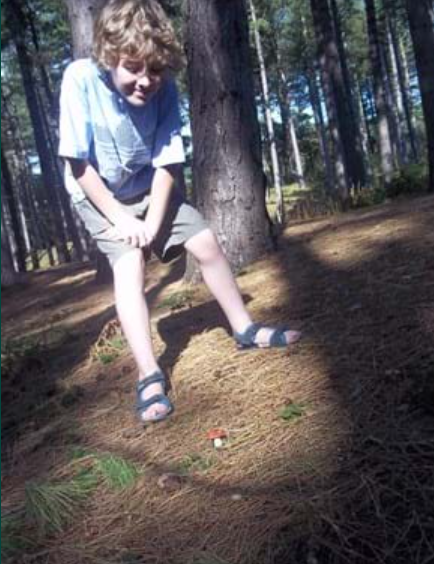
Formby Beach is also famous for its diversity of wildlife. Among the dunes, you might come across sand lizards, and in the evenings, you can hear the calls of rare natterjack toads, which earned the nickname “Bootle Organ” due to their loud “choirs.” Their voices create an eerie soundtrack for evening walks along the beach.
It’s no coincidence that Formby Beach is part of the protected Sefton Coast area. This is a zone where nature is also preserved for science: from plants and insects to birds and amphibians, dozens of species live here that are difficult to find anywhere else in Britain.
Prehistoric Footprints at Formby Beach
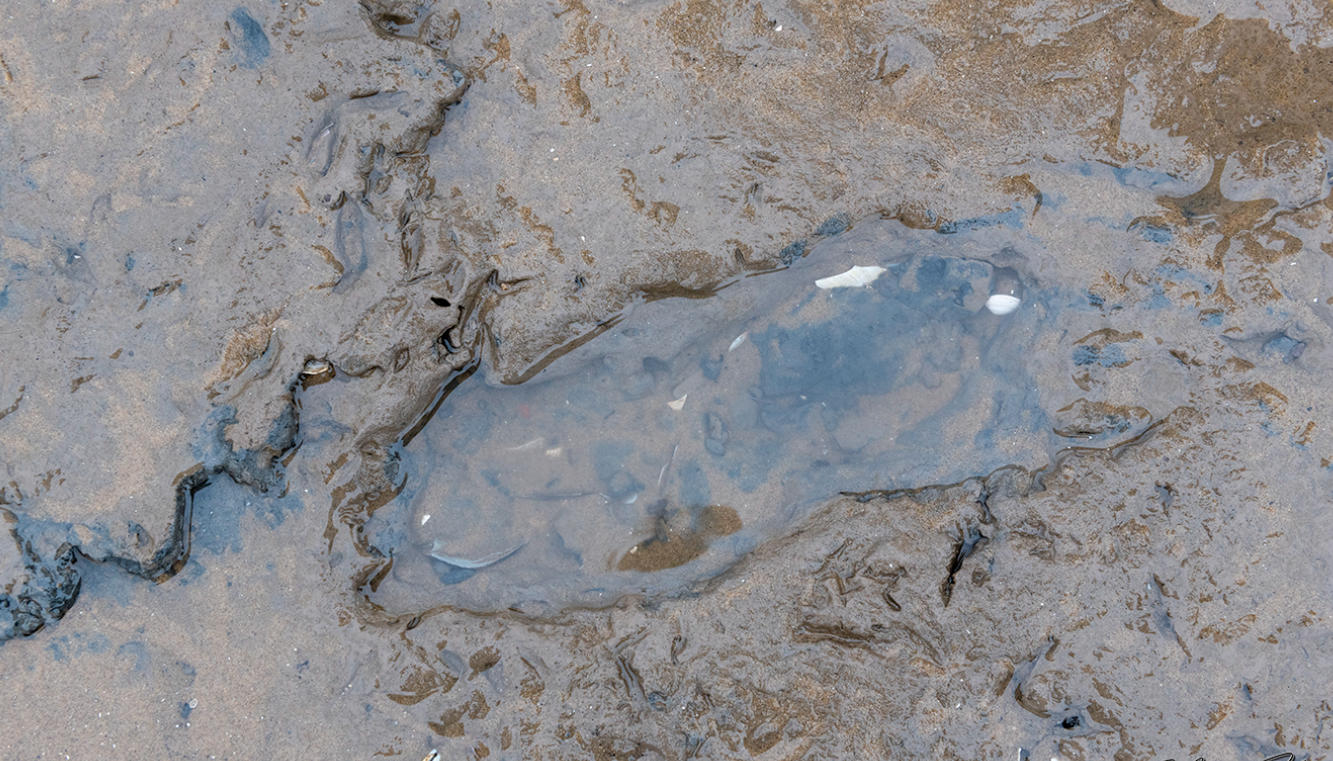
Formby Beach is known for its discoveries that literally take us back to the Mesolithic era. Beneath a layer of sand and mud, the footprints of people and animals that lived on the coast thousands of years ago have been preserved. Researchers have established that the oldest of them date back to approximately 8,000–5,000 years ago, while the youngest belong to the Middle Ages.
These footprints open up an entire world. Among them are adult and child prints, indicating that the coast was a place of active life. But even more interesting are the animal tracks: huge aurochs (wild oxen), wild boars, wolves, deer, and even beavers left their marks here. The scene is almost cinematic: hunters followed their prey, herds crossed the shallows, and children ran on the wet sand.
Archaeologists believe these footprints are a unique source of knowledge about the ecology of the past. They show how the fauna of Britain changed after the Ice Age and even record the gradual disappearance of large animals. Each new layer of footprints is evidence of how climate, landscape, and human activity have altered the nature of this coastline. Formby Beach is a true chronicle written in sand.
Merseyside and Its Unique Coastal Ecosystem
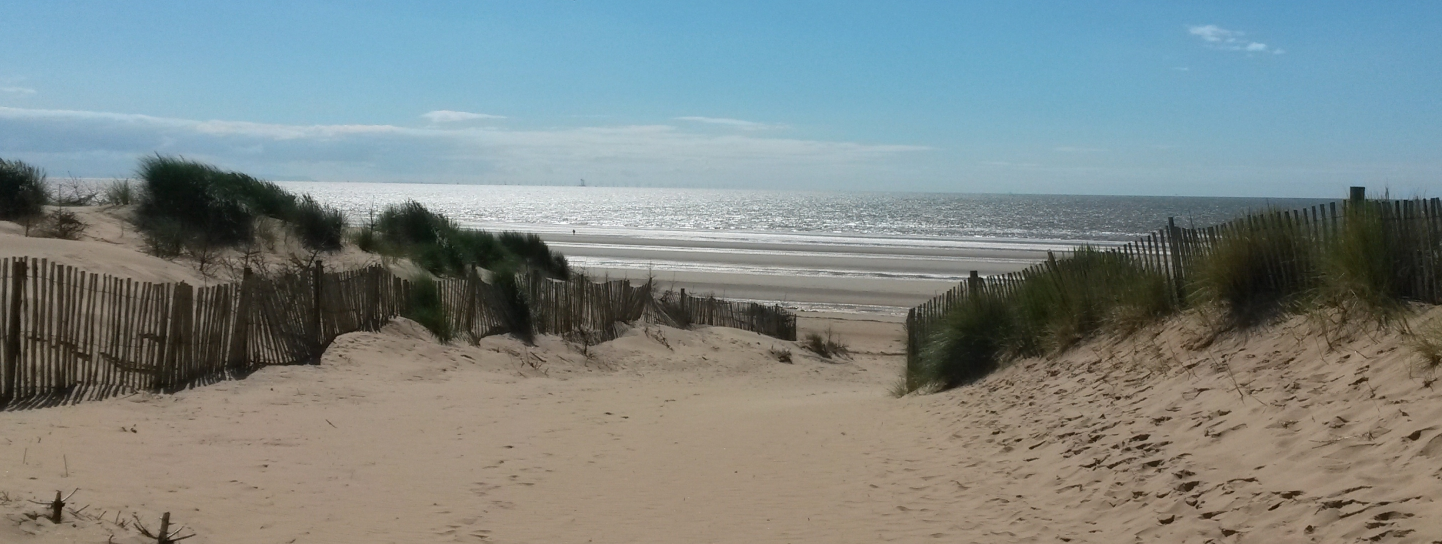
The Merseyside coast is a living ecosystem that shapes the face of the entire region. The Sefton Coast, to which Formby Beach belongs, is considered one of the largest expanses of sand dunes in Britain. They serve a dual role: on one hand, they are a natural barrier that protects the inland areas from sea storms and erosion; on the other, they create unique conditions for rare species to live.
The dunes here resemble natural archives: small pools form in their “pockets,” where natterjack toads breed, while sand lizards bask in the dry, sunny areas. Birds that are difficult to find in city parks nest in the pine groves. Every patch of this landscape has its purpose, and the loss of even a small area can affect the entire ecosystem.
However, a major challenge for Merseyside remains the balance between tourism and nature conservation. Formby Beach attracts thousands of visitors every year, and their presence inevitably impacts the environment: trampling of vegetation, noise, and litter. This poses a dilemma: how to keep the beach accessible to people while ensuring it doesn’t lose its natural uniqueness.
Formby Beach’s Problems: Erosion and Human Impact
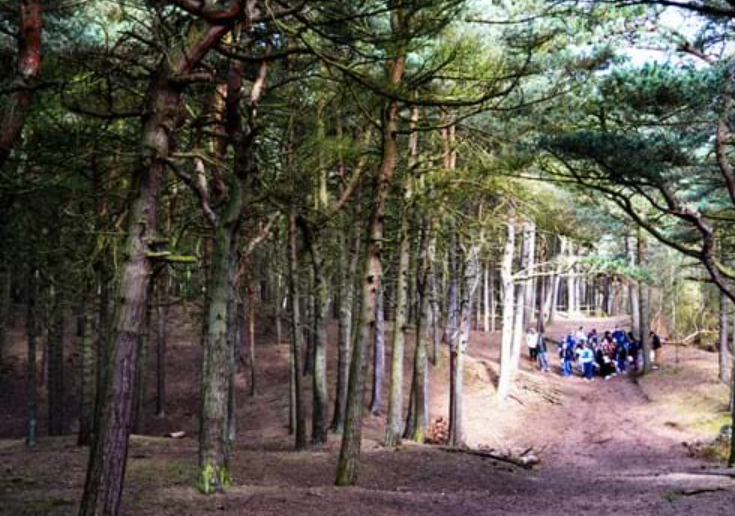
Formby Beach seems unchanging in its beauty, but in reality, it is one of Britain’s most dynamic coastlines. The sandy dunes that are so attractive to tourists are gradually disappearing under the pressure of natural processes. Wind and tides are constantly changing the shoreline, eating away dozens of metres of sand each year. Some areas that were part of the mainland just a few decades ago are now underwater. For local ecologists, this is an alarm signal: a landscape that has been forming for millennia could change significantly in a single generation.
Added to the natural processes is the human factor. Formby Beach is an extremely popular location for residents of Liverpool and tourists from other regions. On warm weekends, thousands of visitors literally ‘push’ wild species out of their habitats. Vegetation on the dunes is trampled, the soil is compacted, and animals, including red squirrels and rare toads, are forced to seek quieter corners, which are gradually disappearing. Litter and plastic left after picnics also add to the trouble—volunteers and National Trust staff have to collect them regularly.
Another issue is transportation infrastructure. The popularity of Formby Beach has led to the creation of large car parks near the entrance to the area, which has had a dual effect. On the one hand, it has become more convenient for visitors to get to the beach. On the other, cars create an additional burden on the ecosystem: emissions, noise, and the risk of fuel leaks. Furthermore, the location of car parks in dune zones exacerbates erosion and accelerates the destruction of the sand ridges.
And finally, there is one problem that is not immediately obvious but has global implications—climate change. Rising sea levels, more frequent storms, and more intense rainfall put increased pressure on the coastline. This means that erosion becomes even more aggressive, and the ecosystem has less time to recover. If no action is taken, Formby Beach risks losing a significant part of its natural wealth in the coming decades.
So, the problems of Formby Beach are a complex tangle where natural processes and human activity are intertwined. On one hand, the coast needs care and protection; on the other, it remains a favourite leisure spot for thousands of people. And this is where the key question arises: how can we preserve the uniqueness of nature without walling it off from society?
Restoring Nature and the Future of Formby Beach
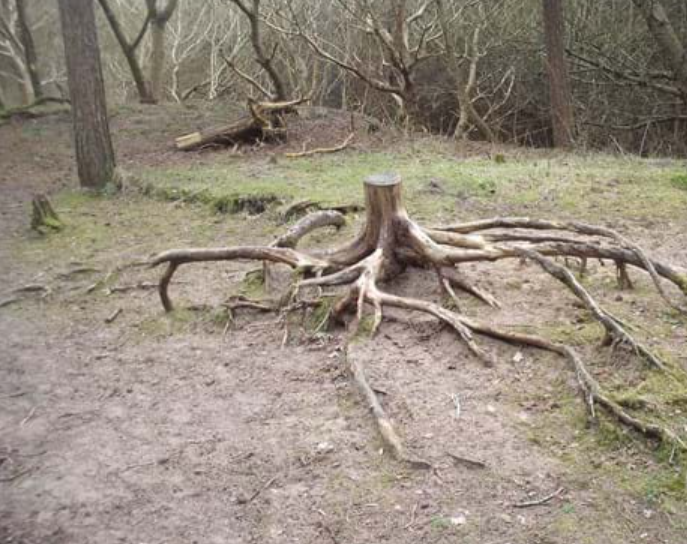
The National Trust is carrying out large-scale work to restore Formby Beach. One of the main projects is moving car parks as far away from the dunes as possible and restoring the natural landscape. To stabilise the sand, old Christmas trees are even used to form ‘barricades’ that help to hold back the sand ridges. This is a creative ecological method that allows nature to restore its own protective mechanisms.
At the same time, a complete cleanup of the area from the remains of old structures and litter is planned, as well as the creation of conditions for the breeding of rare species—from red squirrels to sand lizards. The goal of this work is simple: to ensure that Formby Beach remains a living and resilient landscape for future generations.
The history of this coast reminds us that nature and culture are always intertwined. Just as Thurstaston Common holds legends and geological secrets, or as the Johnston laboratories open new horizons for science, Formby Beach combines beauty, ecology, and historical heritage. Its future depends on how well we can learn to live alongside nature without destroying it.