Imagine the noise of container cranes, the smell of the sea, the hustle and bustle of port cargo – and yet, behind a fence, a completely different scene is unfolding. Here, ducks glide on calm lagoons, terns circle high in the sky, and rare birds choose this very spot to nest. Seaforth Nature Reserve is an oasis of wildlife in the industrial heart of Liverpool, where every step reveals a new story from the world of birds. The website liverpoolname.com will tell you why this location has become a favourite for birdwatching and what makes it so special.
What is Seaforth Nature Reserve and Where is it Located?
Seaforth Nature Reserve is a protected area on the banks of the River Mersey, literally in the shadow of Liverpool’s port cranes. The reserve was created in the 1960s during the construction of Seaforth Dock, when part of the land was converted into two lagoons – one freshwater, the other saltwater. It is this contrast in habitats that made the area so attractive to different bird species.
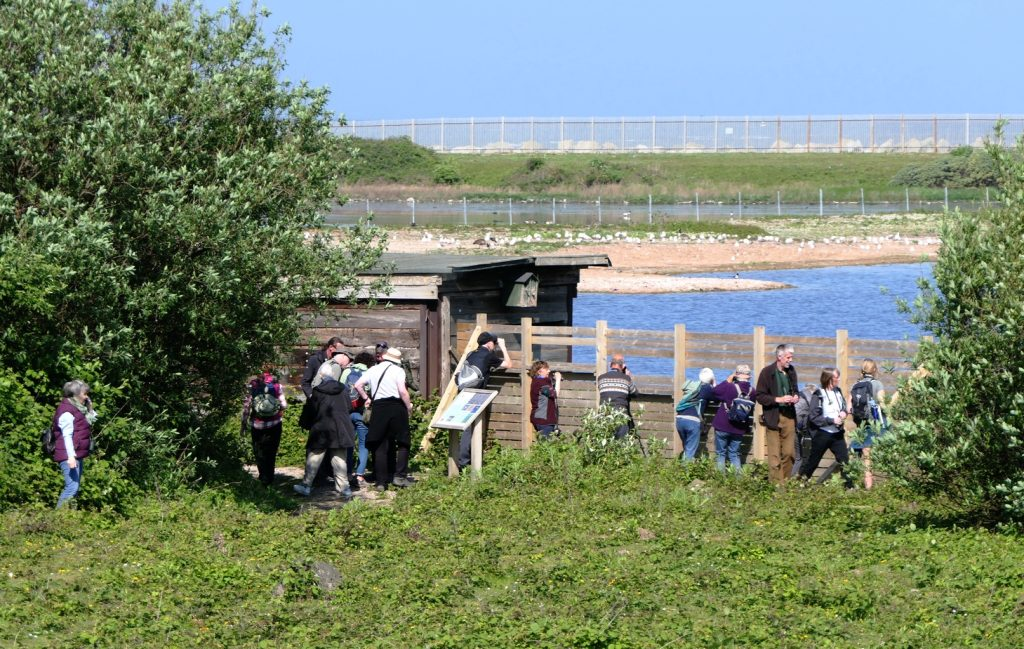
Today, Seaforth holds the status of a Site of Special Scientific Interest (SSSI), is listed as a Ramsar Convention wetland, and is part of the Mersey Narrows Special Protection Area. It covers an area of about 30 hectares, and despite its proximity to the industrial zone, it has become one of the main centres of wildlife on the coast.
Access to Seaforth Nature Reserve is by permit only: visitors can obtain a daily or annual pass from the Lancashire Wildlife Trust, with the permit itself issued by the Port Police. This control is in place because the area is located directly within the port complex, and restricted access helps to maintain a peaceful environment for the birds and minimise human impact.
A Location for Birdwatching
Let’s discuss the questions that typically concern people interested in this oasis of living nature.
Why are there so many birds here?
The reserve is situated on a migratory route, so in spring and autumn, it becomes a crucial stopping point for thousands of birds. The combination of two lagoons – one fresh and one salty – creates a variety of conditions for feeding and resting. Some birds look for small fish, while others seek aquatic plants or invertebrates in the muddy banks. This diversity of habitats explains the richness of species in such a compact space.
What birds can you see?
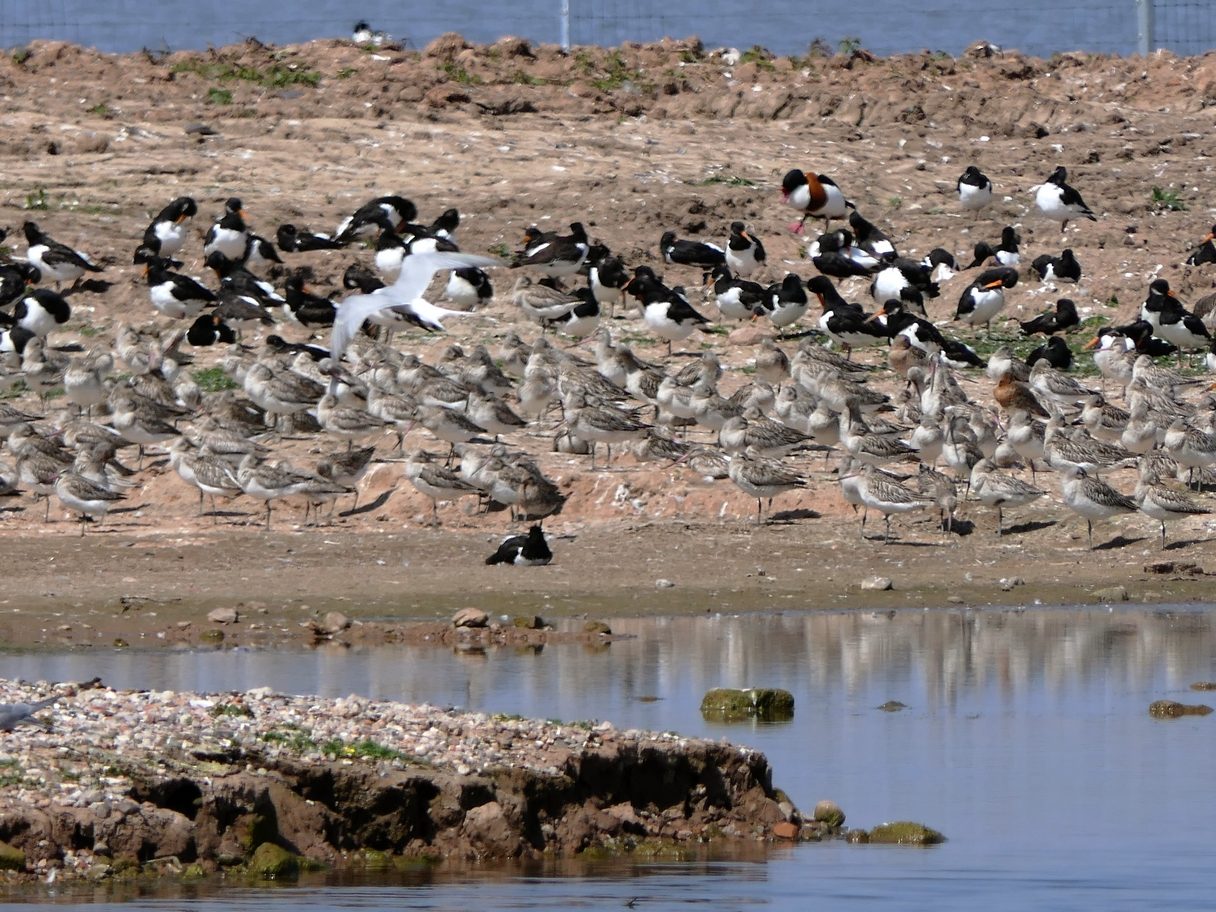
Permanent residents of Seaforth include ducks, coots, swans, and a colony of Sandwich terns, which makes up to 1% of the entire British population. At different times of the year, migrants appear, ranging from the little gull to the rare roseate tern. Sometimes, an osprey even stops by, which is always a major event for local birdwatchers.
What makes birdwatching here so special?
At Seaforth, you can often see “bird shows” – when hundreds of birds take flight at once, creating living patterns in the sky. During the nesting season, colonies of terns and gulls occupy artificial platforms, and this gives visitors a unique opportunity to see their lives up close. For photographers, it’s a paradise: it’s easy to combine shots of wildlife with the industrial landscape of the port in the background.
When is the best time to visit?
Spring and autumn are the times of greatest activity, as migratory flows pass through the lagoons. In summer, the focus shifts to nesting: this is when you can see terns incubating their eggs on the platforms. In winter, Seaforth attracts large flocks of ducks and gulls that remain in the lagoons, when the coast becomes harsher.
How are the Viewing Points Set Up?
Seaforth Nature Reserve has several special viewing hides, from which it is convenient to watch birds in all seasons. They are positioned to cover both lagoons and allow you to remain unseen by the birds. Inside, there are seats, shelves for optics, and informational materials about the species you might encounter.
To support the colonies of terns and gulls, special rafts and artificial platforms have been installed on the water. Thanks to them, the birds can nest in greater safety – away from predators and more conveniently for observation. At the same time, this allows researchers and observers to document their behaviour with minimal environmental interference.
Access to the area, as mentioned, is by permit. There is a car park and a checkpoint at the entrance where documents are verified. It is important to note that the reserve is not a completely “open to all” location, and it’s best to plan your visit in advance by arranging for a permit.
A separate emphasis has been placed on accessibility: there are ramps, information panels, and paved paths, which makes the area accessible to people with disabilities. Thanks to this, Seaforth is suitable not only for so-called birdwatchers. People also come to this site for educational trips, family visits, or amateur photography.
Challenges and Protection of the Bird Sanctuary
One of the main threats to the bird colonies at Seaforth is avian flu. The terns, which traditionally nest on the special platforms, have been most affected. In some years, the virus has led to bird deaths, and this has immediately impacted the numbers of the local population.
To mitigate the consequences, the Lancashire Wildlife Trust monitors the colonies and updates the artificial nesting platforms. When birds are concentrated in large groups, they are better protected from predators, but at the same time, they are more vulnerable to infections. That’s why the work of maintaining the colonies requires constant attention.
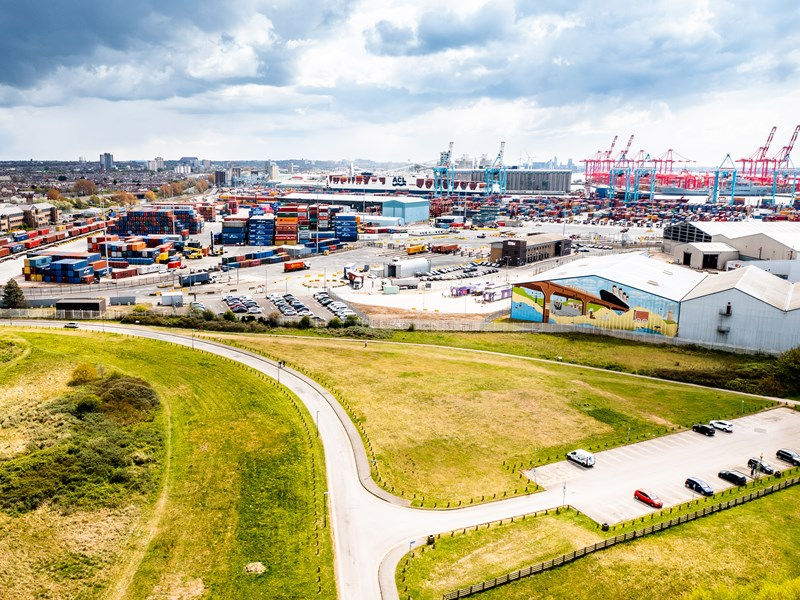
Another challenge is the proximity to the industrial port. Although the closeness to the docks seems paradoxical, it actually provides a certain level of protection: the area is isolated, and access is strictly controlled. However, the balance between port development and the preservation of wildlife always requires dialogue between business and conservationists.
Funding plays a crucial role. For example, in 2021, Peel Ports allocated funds for infrastructure improvements, and the total investment in restoration work amounted to over £30,000. These resources were used to update platforms for birds, improve conditions for visitors, and install information panels.
Why You Should Visit Seaforth Nature Reserve
Seaforth is a unique combination of wild nature and an industrial landscape. Here, you can observe the life of bird colonies just a few kilometres from the centre of Liverpool. For those who love photography or are simply looking for peace and a sense of closeness to nature, the reserve will be an ideal location.
It is also important that a visit to Seaforth helps to understand how fragile the balance between the city and the environment is. The mass deaths among birds from avian flu remind us that infectious diseases can affect both people and wildlife. In this sense, Liverpool’s experience in fighting COVID-19 becomes particularly telling, as the city has repeatedly shown its ability to respond to such problems.
Furthermore, Seaforth fits well into the mosaic of Merseyside’s natural areas. If you want to continue exploring the local flora and fauna, you should also visit Lunt Meadows – a wetland reserve with a completely different atmosphere, but no less fascinating for birdwatching.
Seaforth Nature Reserve is a reminder that nature can thrive even in the very heart of a port complex. And it is worth being among its lagoons at least once to feel how vibrant Liverpool can be beyond the noisy docks.