

Public toilets are a familiar feature of modern society. People often don’t even notice public conveniences, as we’ve all grown accustomed to modern comforts and innovations. Over time, however, public toilets on the streets of Great Britain began to disappear, with their numbers steadily declining. This is largely because every restaurant, shopping centre, and shop now has its own modern facilities. But in the past, this wasn’t the case. Although Liverpool is a tourist city, the number of its public conveniences has also decreased. Today, we’re going to explore the history of public toilets in Liverpool: from their creation to their closure. Read more at liverpoolname.com.
When Did Public Conveniences First Appear?
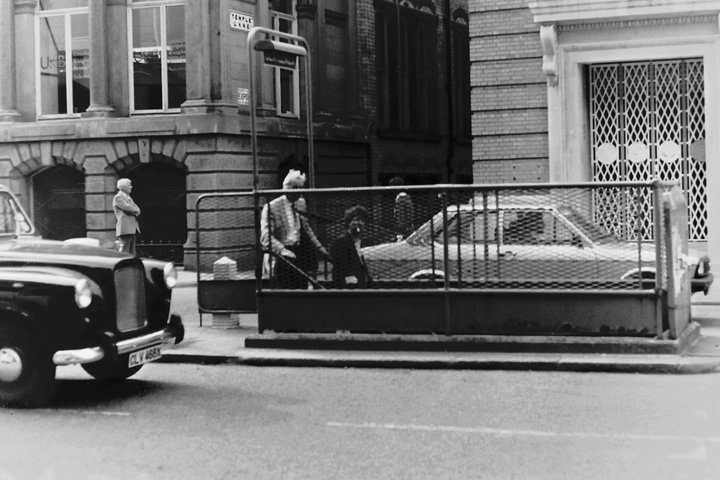
Public toilets began to appear on the streets of our country during the Victorian era. They were a response to the unsanitary conditions and filth in public spaces. It’s worth noting that these facilities were often built underground, accessed by stairs and lit by glass bricks set into the pavement, as land for such structures was limited.
In those days, these facilities were a necessity, as many residents did not have toilets in their own homes. Over time, however, things changed, and indoor toilets became increasingly common. As a result, public conveniences lost their relevance. Furthermore, these sites often became targets for vandalism and were used for drug-taking and anti-social behaviour. Local authorities were unwilling to spend money on their upkeep, so the toilets were closed, and the land was sold off. Indeed, where a public convenience once stood, you might now find a coffee shop or a house.
Liverpool’s Public Toilets
Public conveniences certainly operated in Liverpool, and some still exist, albeit in limited numbers. But what happened to the buildings that once served as public toilets?
- Aigburth Road. This concrete building stood empty and unused for many years. Eventually, the old structure was redeveloped into office space, and in 2015, the steakhouse Churrasco opened here. The former convenience was unrecognisable, with a modern renovation and a glass facade. In 2021, the establishment was even named one of the best romantic restaurants in the UK.
- Toilet in Liverpool City Centre. A public convenience also operated on Victoria Street. A staircase in the middle of the street led down to an underground toilet, a common design for the era, as mentioned earlier.
- Derby Square Underground Toilet. This facility no longer exists, but it was once an underground toilet with a distinctive domed ceiling that protruded from the ground in Liverpool’s Derby Square.
- Sgt Pepper Bistro on Smithdown Place. These former public amenities were mentioned in songs by The Beatles. The building is also known as the Sergeant Peppers restaurant and was once a bus shelter.
- Public Toilet Building on Park Road. This structure was disused for years. Following a major redevelopment in 2011, a large new Tesco supermarket opened on the site.
- Eatwell Cafe on Catherine Street. This Liverpool spot was also once a public toilet. However, in 1990, Chris Lamb opened the Eatwell cafe here with his late brother, Dennis.
- Spellow Lane. Another of Liverpool’s underground toilets, but one with a tragic history. The Victorian-era facility existed until the Second World War. During a raid on Liverpool in 1941, the convenience took a direct hit from a bomb. Hearing the air-raid siren, people had gone down into the toilets, believing it would be safer. Tragically, when the bomb struck, the entrance was buried.
That is the story of public conveniences in Liverpool. We hope you found this article informative and learned something new about your home city.