

Scientists in Liverpool are actively engaged with environmental issues. They are developing various plans and strategies that help to mitigate the consequences of human activity and our intervention in nature. For the most part, these are academics working in local universities, so they are also able to inspire Liverpool’s students with their ideas. We discuss what these scientists are developing at liverpoolname.com.
What the University of Liverpool is Working On
Here are some of the projects the University of Liverpool is working on, for example.
One of the most important areas of focus is energy efficiency. To this end, investments have been made in a new combined heat and power (CHP) plant. This has allowed the university to cut its CO2 emissions by 11,000 tonnes annually, reducing its carbon footprint by 23%. This initiative demonstrates how effective innovative technologies can be in reducing the environmental impact of human activity.
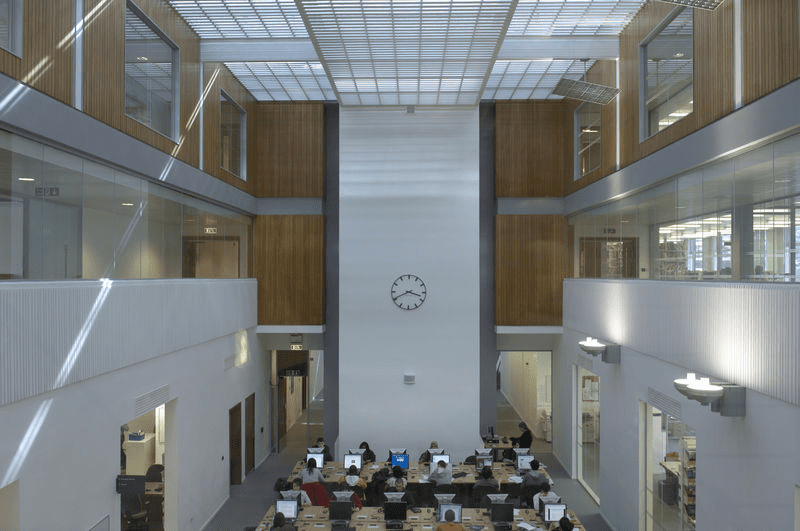
The next step was the PowerDown Initiative, a programme that helps to automatically shut down unused computers. This has saved significant amounts of electricity and carbon emissions. The initiative has also been shared with other organisations, helping to further reduce their environmental impact.
Another interesting initiative involves the creation of a travel plan, designed to encourage students and university staff to use environmentally friendly transport. This includes the provision of cycle parking and ‘calorie maps’ for pedestrians, among other innovations. It’s noteworthy that scientists in Liverpool involve both young students and their older colleagues in such initiatives.
A key focus is on programmes for studying the climate and the ocean. They concentrate on practical skills and data analysis, preparing students for careers in this field. University staff participate in preparing reports and advise the government on the impact of climate change on the oceans. The programmes are accredited and are closely linked with the National Oceanographic Centre.
Why is it important to study the oceans in the context of climate change? The fact is, they store more heat and carbon than the atmosphere. The oceans also provide resources for food and energy. The university’s programmes teach students to analyse global climate changes that lead to ocean warming and sea-level fluctuations. This is necessary so they can understand the impact of these processes on life on our planet.
Research at the School of Biological and Environmental Sciences

The School of Biological and Environmental Sciences at Liverpool John Moores University is involved in large-scale interdisciplinary research, supported by an international network spanning all continents. This demonstrates the university’s influence on the global scientific community and its recognition of the importance of research in solving global environmental and biological problems. According to the 2021 Research Excellence Framework (REF), almost 80% of the school’s research outcomes were rated as world-leading or internationally excellent.
The school includes the 13th most powerful research department in the country, divided into four groups. These groups conduct cutting-edge research in ecology, genetics, neurobiology, entomology, geography, anthropology, palaeontology, as well as biodiversity conservation and resource management. This wide range of disciplines highlights the interdisciplinary nature of the school’s work, allowing for a deeper study of complex ecological systems and the relationships between living organisms and their environment.
The school’s work is particularly important in light of modern challenges, including climate change, biodiversity loss, and natural resource management. Through interdisciplinary research and global collaboration, the school makes a significant contribution to finding innovative solutions for ecosystem conservation and adaptation to new environmental conditions.
Contributing to Environmental Improvement Worldwide
Liverpool, known for its industrial heritage, also plays an important role in improving the environmental situation beyond the borders of Great Britain. One striking example is the efforts of local organisations participating in international environmental protection projects. Specifically, initiatives for cleaning the oceans and supporting sustainable fishing are being implemented through partnerships with environmental groups in other countries facing similar challenges.
Liverpool’s universities are also actively involved in international research aimed at developing technologies to reduce air and water pollution. Academics collaborate with colleagues from Europe, Asia, and Africa, exchanging knowledge and experience in implementing the latest environmental solutions. These joint projects not only help to raise awareness of global environmental problems but also stimulate innovative approaches to solving them.
For example, Liverpool University Press published a study that provides a deep analysis of the evolution of Costa Rica’s agricultural system, particularly its impact on forests and natural resources. The text discusses changes in policy, economic processes, and the ecological consequences that occurred from the late 19th century to the early 21st. Thus, the people of Liverpool are making a significant contribution to environmental preservation across the planet.