

Beekeeping in Merseyside is a vital practice that benefits both the environment and the local community. Beekeepers contribute to the region’s biodiversity, help to replenish the declining bee population, and provide the public with wholesome, eco-friendly products like honey, propolis, wax, and bee venom. Find out more at liverpoolname.com.
Honey Hunting: The First Step in Beekeeping’s Evolution
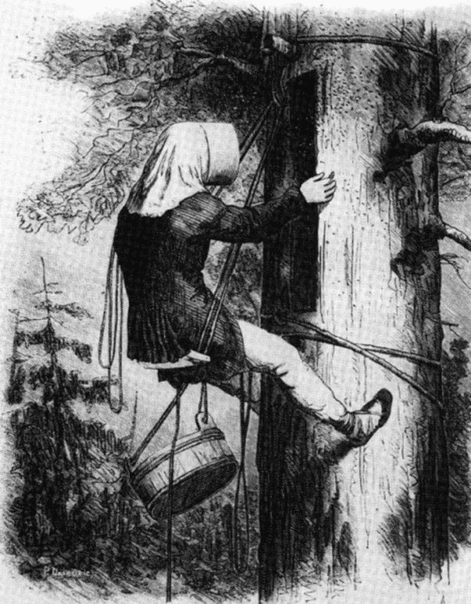
Honey is a most remarkable product. It’s a rare case where a food is not only incredibly healthy but also delicious. Humanity discovered these properties long before the modern era and sought various ways to obtain as much of this delicacy as possible. By the beginning of the 10th century, this pursuit had evolved into a special trade: honey hunting.
Honey hunting—the oldest form of beekeeping—is a nearly forgotten craft today. Its purpose was to harvest honey from wild bees living in tree hollows.
Gradually, people learned to make special homes for bees from straw, woven twigs, bundles of dry grass, and other available materials. They placed these precursors to modern hives in convenient locations, and this marked the beginning of true beekeeping. From the 10th to the 17th centuries, this craft flourished and provided an excellent income, unaffected by wars, the fall of old empires, or the rise of new ones.
The Value of Bees in History
Honey and wax were among the most popular commodities traded in the area of modern-day Merseyside. Honey was highly valued as there were no other sweeteners in the world, but beeswax was prized even more highly due to its immense importance. Wax was used to make candles—practically the only source of light at the time. The spread of Christianity multiplied this need many times over, as huge numbers of candles were burned during every church service. According to some records, a single Liverpool monastery used about three tonnes of natural wax per year.
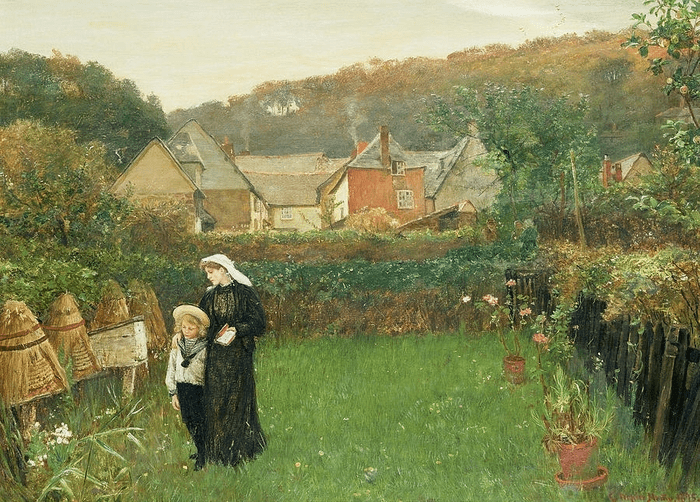
A fascinating custom illustrates the respect people had for bees. For a time, every English family that kept bees followed a strange tradition: whenever someone in the house died, a family member would go to the hives and tell the bees about the loss. They would ask the bees not to fly away and promise that their care would not diminish. It was believed that if this wasn’t done, the bees would not produce enough honey or might leave the hive forever.
Furthermore, the bees were told about all significant family events. Beekeepers were convinced that failing to do so would bring all sorts of misfortunes. In essence, bees were not just useful insects but respected members of the family, with whom joys and sorrows were shared.
The Modern Day
Modern beekeeping in Merseyside, as in all of Great Britain, continues to develop. Unfortunately, in some respects, the industry lags behind other Western European countries. One of the most significant brakes on progress and a cause of sharp fluctuations in honey yields is the notoriously fickle climate of ‘the misty Albion’.
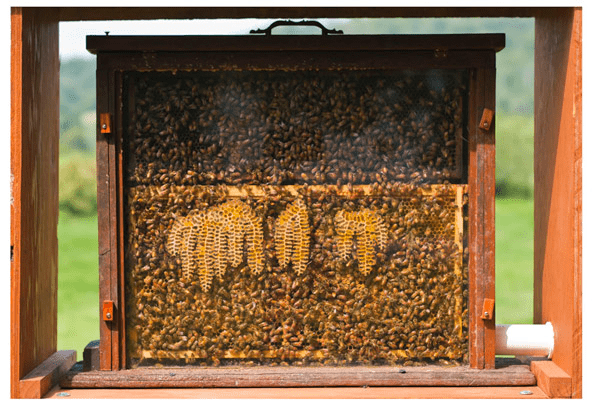
This is why modern biological developments are being actively implemented to preserve and increase the bee population. For example, special observation hives have been created that allow beekeepers to safely watch the insects’ behaviour through glass. This helps to identify problems bees face in their daily activities and devise swift solutions.
The main headache for Merseyside’s beekeepers remains the infiltration of the Asian hornet (Vespa velutina) from various Western European countries, which causes enormous damage to honeybee colonies. The task for biologists is to develop effective control methods that do not harm beneficial insects.
It’s worth noting that both community organisations and regional authorities are invested in the development of beekeeping and in creating a bee-friendly environment, even in cities. They encourage residents to create corners in their gardens with nectar-rich flowers where bees can feel comfortable and quietly collect nectar to produce honey.
Educational sessions are also held for children to introduce them to the profession of a beekeeper. The World Museum in Liverpool even hosted an exhibition that used advanced audiovisual technology to transport visitors directly into the heart of a working bee colony.
Beekeeping and the Environment
In today’s world, where preserving the environment is one of the most pressing issues, the sustainability of any kind of production is of great importance. And it is here that beekeeping, much like the exotic fruit trade, stands out as one of the cleanest and most environmentally safe activities. The fact is, bees cannot tolerate even minimal amounts of chemicals. This means that beekeepers do not use chemical fertilisers or pesticides when growing nectar-producing plants, relying only on natural methods. Furthermore, bees effectively pollinate cultivated and wild plants, helping to maintain the natural biological balance.
There are now about 20,000 known species of bees. They are not only vital for maintaining the Earth’s ecosystems but are also essential for the very existence of humanity. Their health reflects the health of the planet as a whole, which is why it is so important to support the development of beekeeping and give this industry the utmost attention.