

How rich in natural resources is the territory around Liverpool? Is there a prospect of finding something that will feed the country’s economy in the Merseyside bowels? This article will be useful for everyone interested in the environment and concerned about our future. So, let’s explore it together at liverpoolname.
What is there in the area and what is most valuable?
The Merseyside area, like the entire North West of England, isn’t famous for minerals at all. Its economy rests on completely different industries. For example, these are tourism, sea transportation, automobile manufacturers (the Jaguar and Bentley brands have their headquarters here) and wind energy facilities.
However, oil and gas are extracted from offshore platforms in the shelf zone of Liverpool Bay. This is an important element of the energy complex of the region and can have an impact on the economy. Such operations require compliance with technological and environmental standards since they are carried out in the marine environment.
Examples of resources and minerals
Let’s look into the depths of the Merseyside bowels. What does the area boast for?
- Sand and gravel are primarily located on the surface, although it’s assumed that they can be found in a sub-alluvial layer under the flooded plains. Sand and gravel excavations aren’t carried out in the area because their deposits are quite narrow (up to 200 m). Sand and gravel of glacial-fluvial origin, that is they were formed from glaciers and river waters, are also found here. The largest glacial sand-gravel deposits in the area occur to the east of Prescot, with fluvial deposits along the River Alt in Sefton, Sankey Canal in St Helens and north Wirral.
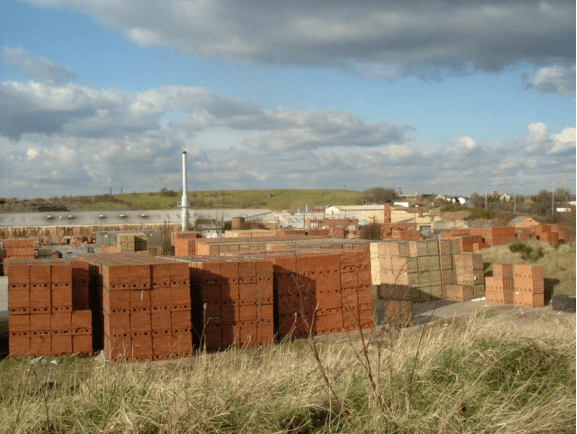
- Brick clay. It is used in the production of facing bricks, paving stones and tiles. It can also be used in the production of cement as well as for facing and sealing landfills. In Merseyside, brick clay has been produced for local consumption for 200 years. In old times, many varieties of local clay were used to make bricks. In the 21st century, there is only one active brickyard, which is located in St Helens. Clay still remained in the local quarry when it was considered exhausted.
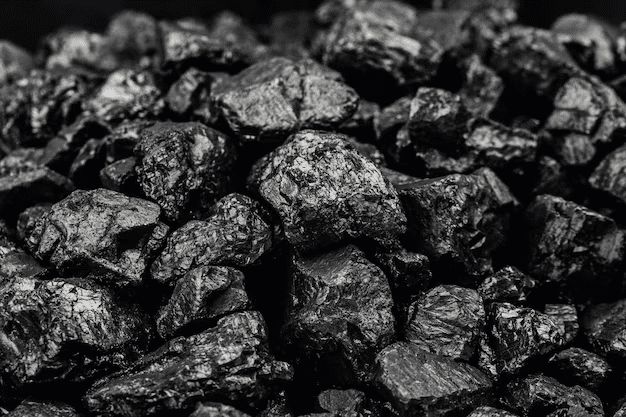
- Coal. Merseyside is located mainly within the southern part of the Lancashire Coalfield (or basin). The coal seams occur to the east of Kirkby under younger rocks, below the so-called Ordnance Datum in the south of the area. A north-south fault separates the exposed coal seams to the east of Kirkby from the deep-lying seams to the west of that town. To the west, the coal seams extend below Liverpool and Wirral where they join the North Wales Coalfield. There is coal of a different rank, from high to medium volatile. However, the problem is that a large part of the deposits is located under urban buildings. In addition, the mines turned out to be unprofitable and were closed.
Also, besides the above-mentioned oil and gas, Merseyside has peat, building stone and quartz sand.
History of the St Helens Coalfield
However, the resources hidden in the depths are one thing and quite another is their development and extraction. Let’s consider this issue taking the St Helens Coalfield as an example.
Domestic closed-pit coal mining in Great Britain declined for various reasons and then ceased. It also applies to the Liverpool area. The last site to operate in Merseyside was located on the outskirts of St Helens. The first mine in 30 years was reopened in England in 2022, but it happened in the County of Cumbria.
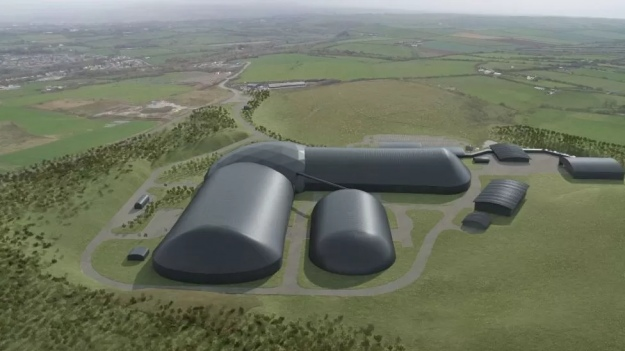
The town of St Helens, which is located within the Lancashire Coalfield, was built on coal both literally and metaphorically. About 5,000 workers worked in local coal mines in the 1970s. The boom in the British coal industry happened in 1913 and St Helens mines were also at their peak at that time.
It’s also known about the discovery of coal seams in the 16th century. It was mentioned in a historical work dated 1556. In the 18th century, this industry was still a driving force in the city. At that time, coal was used at the steelworks and saltworks enterprises of Liverpool. However, the city’s competitor was Prescot, located three miles closer to the centre of Merseyside, while St Helens was very dependent on the transport system. In the future, James Watt’s stationary steam engines contributed to the development of the industry.
However, the coal industry declined in the 20th century, after its nationalisation in 1947. 1985 was the last for the St Helens mine. Then the nearby Sutton Manor Colliery was closed in 1991, and in 1993, it was followed by the Parkside Colliery. The government claimed that coal mining was no longer economically inexpedient for Britain. It seems that it was true, although there were enough coal reserves for decades ahead.
It is likely that further interest in the area’s coal resources, if any, will be focused on open-pit development.