Swimming and bathing are very popular in Britain, but before the 19th century, the situation was completely different. The British didn’t take cleanliness seriously. Over time, it has changed and it is interesting that it has happened mainly thanks to Liverpool. This city set the fashion for indoor pools, baths and the like. Learn more at liverpoolname.
How did Liverpool become a trendsetter in bathing?
The book Great Lengths: The Historic Indoor Swimming Pools of Britain, published by The Historic Buildings and Monuments Commission for England, tells us about British indoor swimming pools and baths. It also explains how come that Liverpool has become the leader of this industry in England and it mostly applies to public baths.
Simon Inglis, one of the co-authors of the book, says that Liverpool was in the forefront, that is, ahead of the rest of the country. The first public St. George’s Pier Head baths appeared in 1828-29. However, there were private baths even before. What do we know about them?
According to some authoritative sources, the first public baths in Liverpool were built in Newquay in 1756. It was a diving pool fed by water from the Mersey River. The visitors could also go down to the river by steps. A little later, in 1794, these baths were acquired by the local authorities.
St. George’s Pier Head baths made a significant contribution to the improvement of sanitary conditions and cleanliness of the city. In 1829, there were two separate baths, for gentlemen and ladies.
The role of Kitty Wilkinson

At one time, the development of public baths was facilitated by Kitty Wilkinson, an Irish immigrant who ended up in Liverpool at the age of 9. The cholera pandemic of 1826–1837 reached this city in 1832. The woman was 46 years old then. She understood the importance of cleanliness in the fight against diseases. Kitty helped many residents of the city, especially her closest neighbours, whom she allowed to use her boiler and yard for washing clothes.
An important point was that Kitty Wilkinson charged a small fee for that service, 1 penny a week. The working class couldn’t afford to visit the state baths of St. George because they were too expensive and only wealthy people could afford them.
Catherine used perchloric lime to wash clothes and taught everyone to do so. Boiling did kill the cholera bacteria. These progressive methods helped raise public awareness of the importance of cleanliness and showed everyone innovative ways to fight disease.
Innovation
So progressive people picked up the idea of creating public baths, where even poor people could maintain their hygiene. Eventually, in 1842, a combined public bath and laundry with an affordable fee was opened on Upper Frederick Street.
The rapid spread of cholera and the gained experience led to the adoption of certain laws about baths and laundries in the city, situated at the mouth of the river Mersey. It was especially important that they introduced the requirements for those places. These buildings have become part of the cultural heritage of England. Some of them are very beautiful, while others have been neglected and eventually ceased to exist.
Key events
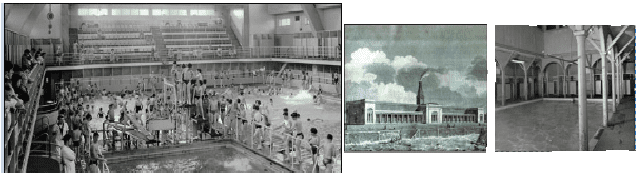
Let’s analyse the chronology of some of the most important related events to have a better understanding of what happened to the baths in Liverpool.
- 1816. A floating bath was launched in June. It was private and made in the form of a ship.
- 1820. Bath Street public baths were demolished.
- 1832. It was the peak of the cholera epidemic, almost 5,000 cases of the disease were registered in Liverpool and more than 1,500 of them resulted in death. The period between May 12 and September 13 was the most difficult. On October 5, it was announced that the city was free from cholera.
- 1842. In April, the baths on Upper Frederick Street got their management. Andrew Clark and his wife became superintendent and matron. In May, the city authorities built and opened the first public laundry and private baths in England.
- 1846. As the couple had successfully run the Frederick Street baths, the City Council appointed them to the same positions in the new Paul Street Baths and Wash House. Their salaries were also significantly increased. Meanwhile, the Wilkinsons, Thomas and his above-mentioned wife Catherine (Kitty), began to manage baths on Frederick Street.
- 1851. The Upper Frederick Street laundry had to be closed, instead, a wash-house was opened on Cornwallis Street.
- 1852. The Bath Committee of the City Council was created. Prior to that, baths and wash-houses were subordinated to the Health Care Committee.
- 1854. The baths on Upper Frederick Street have been reopened and restored.
- 1863. A bath was opened on Margaret Street.
- 1874. A bathhouse and laundry were open on Steble Street.
- 1877. A new similar place appeared on Westminster Road.
- 1878. A bath and laundry were open on Lodge Lane.
- 1889. This year marked a new era, as New Hall with its cottage houses with a swimming pool appeared in the city.
- 1893. Woolton Swimming Baths were open.
- 1895. Free outdoor baths appeared on Burlington Street.
- 1898. Similar free and outdoor baths were established on Gore Street.
- 1899. The same spots appeared on Green Lane and Mansfield Street.
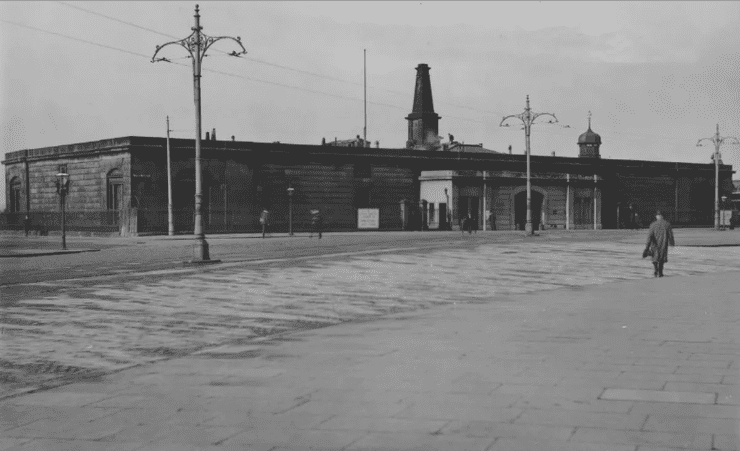
The process was launched, and in the 20th century, laundries and baths were successively opened in other places.
- 1902, Beacon Street
- 1904, Lister Drive
- 1905, Springfield Street
- 1906, Picton Road
- 1907, Speke Road
- 1909, Queens Drive
- 1911, Netherfield Road
- 1923, Stanley Park (outdoor baths)
- 1927, Minshull Street (laundry)
- 1931, Solomon Street
- 1932, Barrow’s Gardens (the new laundry was built on the site of the old one)
- 1935, Donaldson and Clare Streets
- In 1936, people started to use electric irons in public laundries. It was a very innovative solution for that time!
New baths didn’t appear during the First World War for obvious reasons.
Lost baths
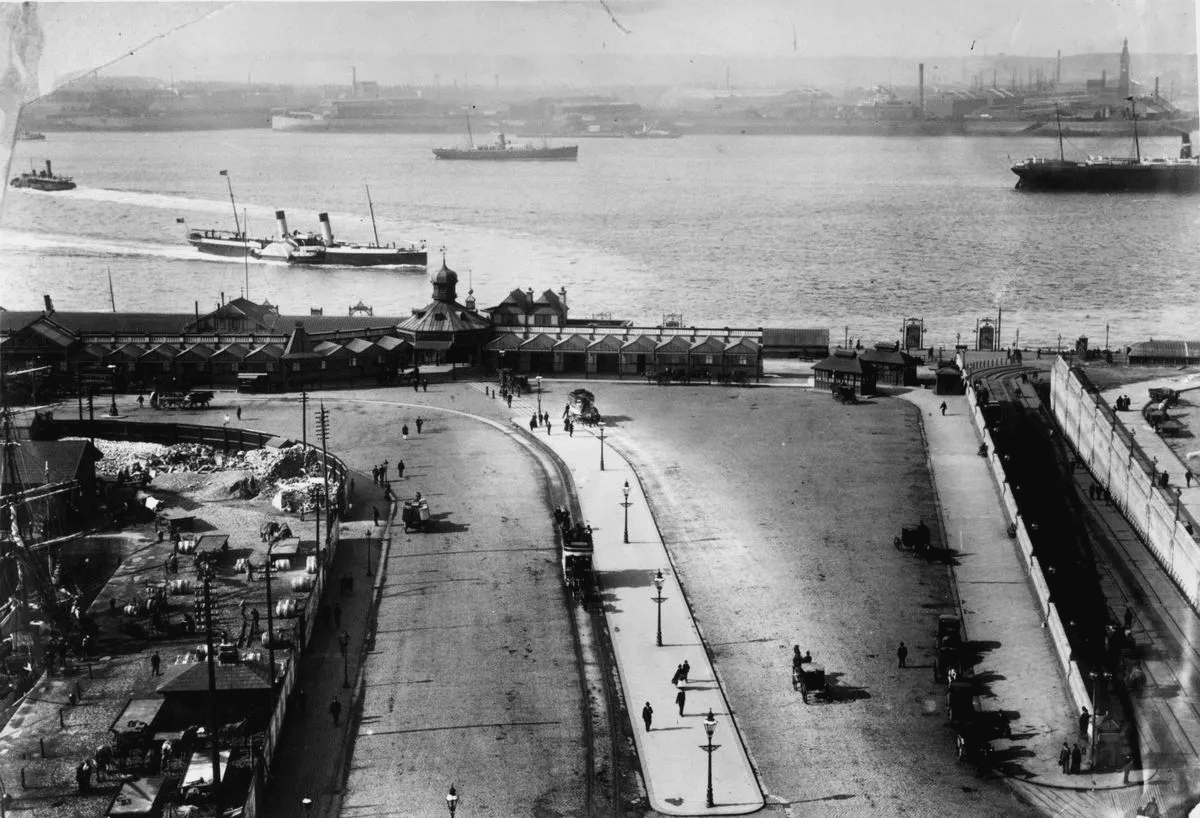
The above-mentioned Pier Head is a famous tourist destination, which also hosts various cultural events. This location is also interesting from another point of view, as the first municipal baths with seawater appeared there. However, when their popularity started to grow, they began to collapse.
In 1894, there was an urgent need to reconstruct the baths at Piers Head. Liverpool City Council needed £6,000 for these purposes. One of the inspectors checked the condition of the baths and found that it was unsatisfactory. There were no problems with the salty seawater, but the place itself needed a major overhaul.
Then one of the officials noted:
“It is intended that people coming to Liverpool shall get at once that excellent impression of the town which they always get after being in it five minutes”.
He also added that the ugly and neglected building spoils the impression and it is a shame for the city. Finally, the baths were closed in 1906.
However, the lost baths have become a part of history and paved the way for modern private and public ones. Liverpool is also considered to have pioneered the creation of a swimming pool. It happened in 1701 when Samuel Done was granted permission to build a bagnio (bath) near the Mersey River.
In 1967, the derelict bath on Cornwallis Street was closed as well. It was a pity, as it was Liverpool’s only profitable bathhouse in the 19th century. The oldest active swimming pool in the city is the Woolton Swimming Pool. Of course, it doesn’t meet any requirements of modern sports, but it’s still a historical monument of the Victorian era. The future of many indoor swimming pools in the UK is still uncertain given that they depend a lot on changes in people’s lifestyles, which influence the demand and ways of usage.