

A deep concern for animal welfare is a quality shared by many in Liverpool, from city officials to everyday residents. The city is home to several organizations dedicated to caring for animals, ensuring their proper treatment, and promoting humane standards even in scientific research. Here, we’ll explore some of these key initiatives and the people behind them. Learn more at liverpoolname.com.
Lord Russell’s Initiative

Lord Russell of Liverpool, a member of the UK’s House of Lords, has brought attention to a critical issue for animal advocates. In 2021, the Animal Welfare (Sentience) Bill was introduced, a piece of legislation that formally recognizes the ability of animals to feel emotions and pain. The bill also called for the creation of an Animal Sentience Committee to evaluate whether government policy adequately considers this reality.
However, since the UK’s departure from the EU, some animal protection regulations no longer apply, which has raised concerns among charitable organizations. These groups are advocating for a clear definition of animal sentience to be enshrined in national law, a move that would help prevent cruelty to living creatures.
The University of Liverpool’s Approach
In Liverpool, scientific research involving animals is strictly regulated by UK law, particularly the Animals (Scientific Procedures) Act 1986 (ASPA). The University of Liverpool, which conducts such research, fully complies with this act and is committed to an ethical approach. All studies are reviewed and approved by a local Animal Welfare and Ethical Review Body (AWERB). The university also champions transparency by adhering to the national Concordat on Openness on Animal Research.
The Work of the RSPCA
The Royal Society for the Prevention of Cruelty to Animals (RSPCA) is one of the oldest and largest animal welfare charities in the United Kingdom, dedicated to protecting animals from mistreatment and ensuring their well-being. The local Liverpool branch operates independently but shares the national organization’s core mission: to prevent cruelty and promote kindness toward animals, providing aid whenever it’s needed.
The RSPCA’s activities are focused on Liverpool and the surrounding Merseyside area. All funds raised through donations are spent locally to help all kinds of animals. The organization has no paid employees; it is run entirely by a group of volunteer trustees and administrators working from a small office in Liverpool’s city center.
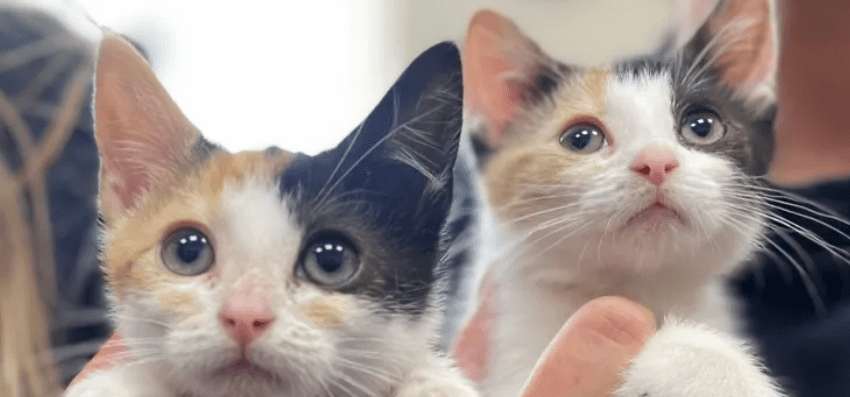
Here is a recent example of how this volunteer team responds to regional challenges. In August 2024, the BBC reported that the area had become a hotspot for attacks on animals with weapons. Pet owners were urged to be extra vigilant, as Merseyside ranked third in England for such attacks, with 36 incidents reported between 2020 and 2023.
Tragically, cases of attackers killing cats with air guns, slingshots, or crossbows have been on the rise across the country. Jeff Edmond, a lead wildlife specialist for the RSPCA, described these horrific incidents as merely “the tip of the iceberg.” It isn’t just cats; other animals, including dogs, are also targeted. Furthermore, many crimes likely go unreported, especially those committed against wild animals. The statistics primarily reflect cases involving pets whose owners reported the attacks directly to the RSPCA. Wild birds and farm animals are also frequent victims, with attacks spiking in the summer months.
To combat these trends, the organization runs public awareness campaigns to spread the message of humane treatment. In response to the weapon attacks, the RSPCA launched an appeal titled “No animal deserves to be treated with cruelty.” The volunteers also work closely with the police to help fight crimes against wildlife.
Government Efforts
Liverpool’s authorities are fully aware of the animal welfare issues in the region and are taking steps to address them. They have implemented strict rules and guidelines for anyone who keeps or trains animals for commercial exhibitions. A license, which costs £340, is now required for these activities.
License holders must meet several requirements, including performing risk assessments for the animals, creating emergency response plans, and documenting procedures for care, transportation, and health monitoring. Adhering to the license conditions and maintaining proper documentation is mandatory. Owners must also provide detailed information about their veterinarian and the animals being exhibited, including their health records, vaccination status, ID tags, and medical history.
This regulatory framework reinforces the principle that animal owners must prioritize the well-being of the animals in their care, not just their potential for profit.
- https://www.liverpool.ac.uk/research/research-environment/research-integrity/governance-processes/animal-research/legislation-governance-standards/
- https://liverpool.gov.uk/business/licences-and-permits/animal-licences/keep-or-train-animals-for-exhibition/
- https://www.parallelparliament.co.uk/mp/lord-russell-of-liverpool/bill/2021-22/animalwelfaresentience
- https://www.rspca.org.uk/local/liverpool-branch
- https://www.rspca.org.uk/local/liverpool-branch/aboutus
- https://www.bbc.com/news/articles/c17g0njd4v9o