

How serious is the problem of plastic pollution for Merseyside? One study revealed that the River Mersey is more polluted than the Great Pacific Garbage Patch, the largest accumulation of ocean plastic in the world. This claim from the environmental organisation Greenpeace is undoubtedly a cause for concern. What is the scale of the problem, and what can be done? We investigate the issue at liverpoolname.com.
The River Mersey – What is Happening to It?
Of course, the situation across Britain as a whole is critical, but the state of the River Mersey has, so to speak, hit rock bottom. In a 2019 analysis of 30 sites in UK rivers, Greenpeace scientists found microplastics in 28 of them. And the Mersey turned out to be the worst of all. Here, a staggering 875 pieces of plastic were found in just 30 minutes. It’s a shocking statistic. The River Thames came in second in this grim ranking.
A comparison of the plastic pollution in the Mersey and the Pacific Garbage Patch showed that certain sections of our main river contained almost six times more plastic per square kilometre than the infamous ocean patch. Greenpeace noted that one reason for this could be nearby industrial sites producing plastic pellets (nurdles). It is also likely that the high population density in Liverpool, Manchester, and Warrington has contributed to the problem.
Plastic Free Mersey – A Project to Improve the Situation
Can the situation be improved? Of course. In fact, shortly before the aforementioned study, volunteers collected a massive ten tonnes of rubbish from the banks of the Mersey near Hale. The Plastic Free Mersey project was also created, which aims to convey to the general public that plastic litter has no place in the natural environment.
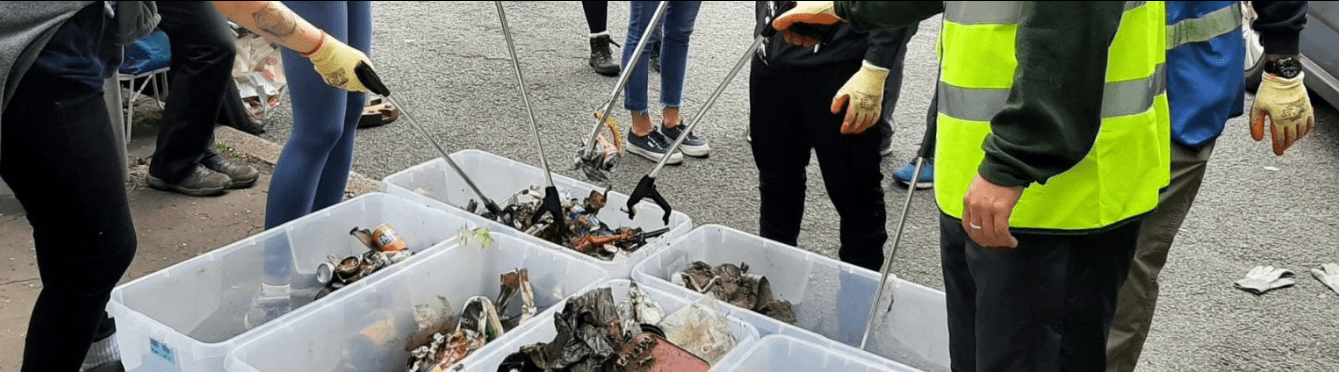
This initiative is a flagship collaborative approach to reducing plastic pollution in the Mersey river basin in North West England. It has brought together environmental non-governmental organisations (NGOs), waste management authorities, plastics businesses, academics, and local communities. Together, they are seeking and implementing solutions to plastic pollution in the River Mersey basin.
These are the goals of all these environmentally-conscious people:
- To achieve a significant reduction in plastic litter and waste in the River Mersey and its tributaries.
- To survey the levels of litter on the riverbanks to create a future action plan.
- To improve the understanding of the sources of plastic waste. This can help to develop and apply practical solutions to reduce plastic pollution.
- To create a model for reducing plastic pollution that can be replicated in other river systems around the world.
The Problem of Macroplastics
The project we just discussed is focused on the River Mersey primarily due to macroplastic pollution. This term refers to plastic items with a diameter greater than 0.5 cm. The Mersey catchment first encountered this problem during the Industrial Revolution. Since then, pollution from household sewage and chemical contaminants has also created a serious issue.
Macroplastic pollution is a major, but not the only, problem for the Mersey basin today. It is partly the result of overflowing bins, fly-tipping, littering, and sewer overflows.
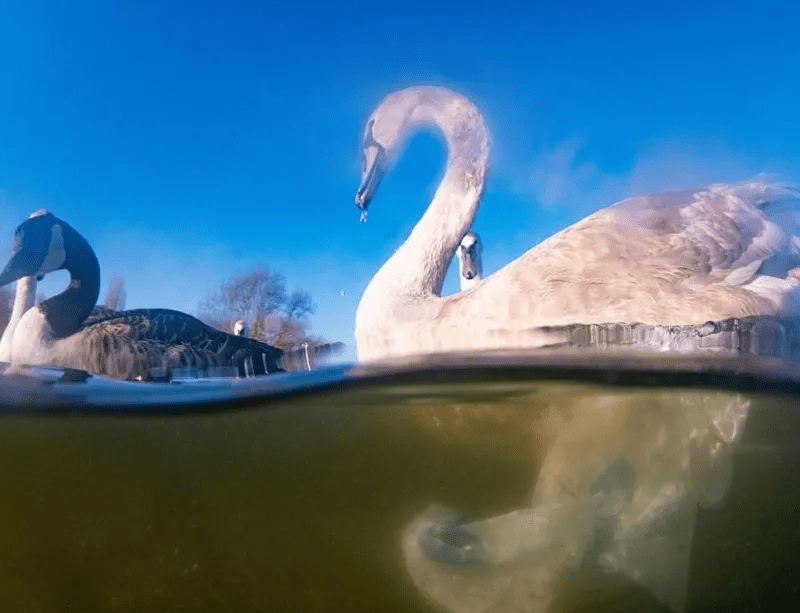
Macroplastics are a huge problem for rivers as they harm aquatic flora and fauna through entanglement and ingestion. Over time, they break down into microplastics, which pose a threat to the health of both humans and wildlife. Microplastics are less than five millimetres long. These tiny pieces are easily ingested by river fauna and are then passed up the food chain.
Of course, solving this problem is a priority not only for Merseyside but for all of England. Fiona Nicholls of Greenpeace believes the study is an “alarm bell” for the government. She also stated in 2019 that bold targets for plastic reduction are needed, setting a goal for the production of single-use plastics to be halved by 2025. Fiona also believes more can be done, which is why Greenpeace is funding innovative research into how microplastics enter our waterways.
Change is Needed
Let’s return to the Plastic Free Mersey project. The group of activists from the Mersey river basin is training local volunteers to become ‘citizen scientists’. They use scientifically accredited survey methods to assess the quantity and distribution of plastic on the banks of the river and its tributaries. Data collection has been ongoing since November 2021.
The volunteers record environmental factors such as weather conditions, river flow, and potential sources of litter. The data is then analysed and used to develop recommendations at various levels. These include investment in sewage infrastructure, the installation of bins in litter hotspots, and the development of tools for volunteers to run campaigns. Incidentally, the topic of household waste in Liverpool is also covered in this article.