Located in the Alt River valley, Lunt Meadows is one of Merseyside’s most interesting natural havens. Here, the wetlands combine peace and wildness, while beneath the ground lie traces of human settlements from thousands of years ago. The website liverpoolname.com explores why Lunt Meadows is a natural landmark that deserves your attention.
The Natural World of the Wetland Reserve
Lunt Meadows covers around 75 hectares of wetlands situated in the Alt River floodplain. This area serves a dual purpose: on one hand, it’s a natural “buffer” that protects the surrounding land from flooding, and on the other, it’s a space where unique habitats for wildlife are formed. The marsh meadows, ponds, and reed beds create ideal conditions for dozens of species to live and migrate.
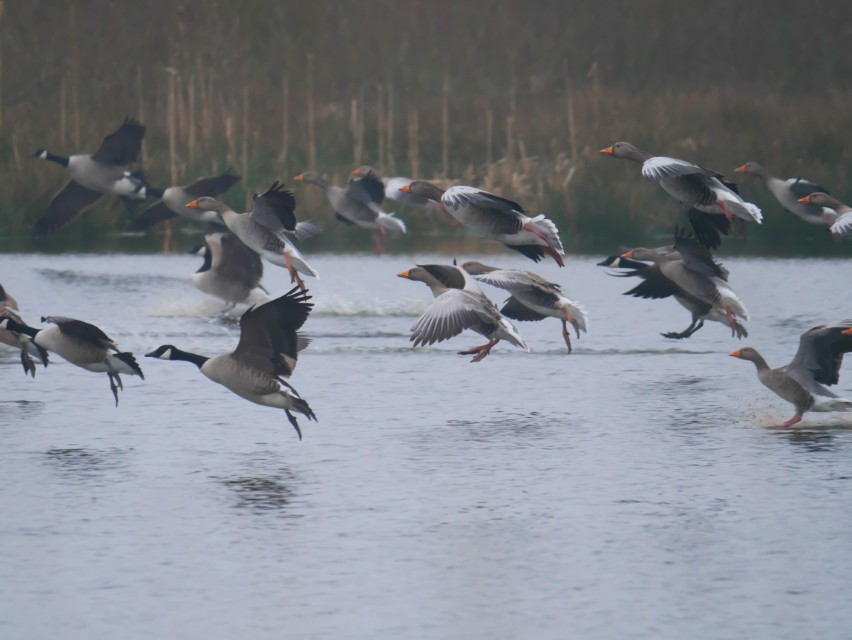
Among the reserve’s inhabitants, the birds are the most impressive. You can find several species of owls here – barn owls, long-eared owls, and even the rare short-eared owl. Waders nest in the wet meadows, and flocks of lapwings frolic in the sky. During the colder months, migratory birds arrive – wild geese, ducks, and swans, as well as winter hunters like marsh harriers and goldeneyes. For ornithologists and anyone who enjoys a walk with binoculars, it’s a true paradise.
But it’s not just the birds that make Lunt Meadows special. Roe deer sometimes emerge cautiously from the undergrowth in the meadows, and among the flowers, you might spot leafcutter bees – small pollinators that are a rare sight in urban landscapes. You can even witness an “ecological drama” unfold: a falcon often tries to snatch prey from an owl, all happening right before the visitors’ eyes.
It’s also worth mentioning the importance of such wetlands for the climate. They act as natural “carbon reservoirs,” storing carbon in the soil and vegetation. At the same time, they absorb excess water during heavy rain and gradually release it, reducing the risk of floods. Being here is an example of how nature itself balances ecological processes.
Lunt Meadows and Ancient History
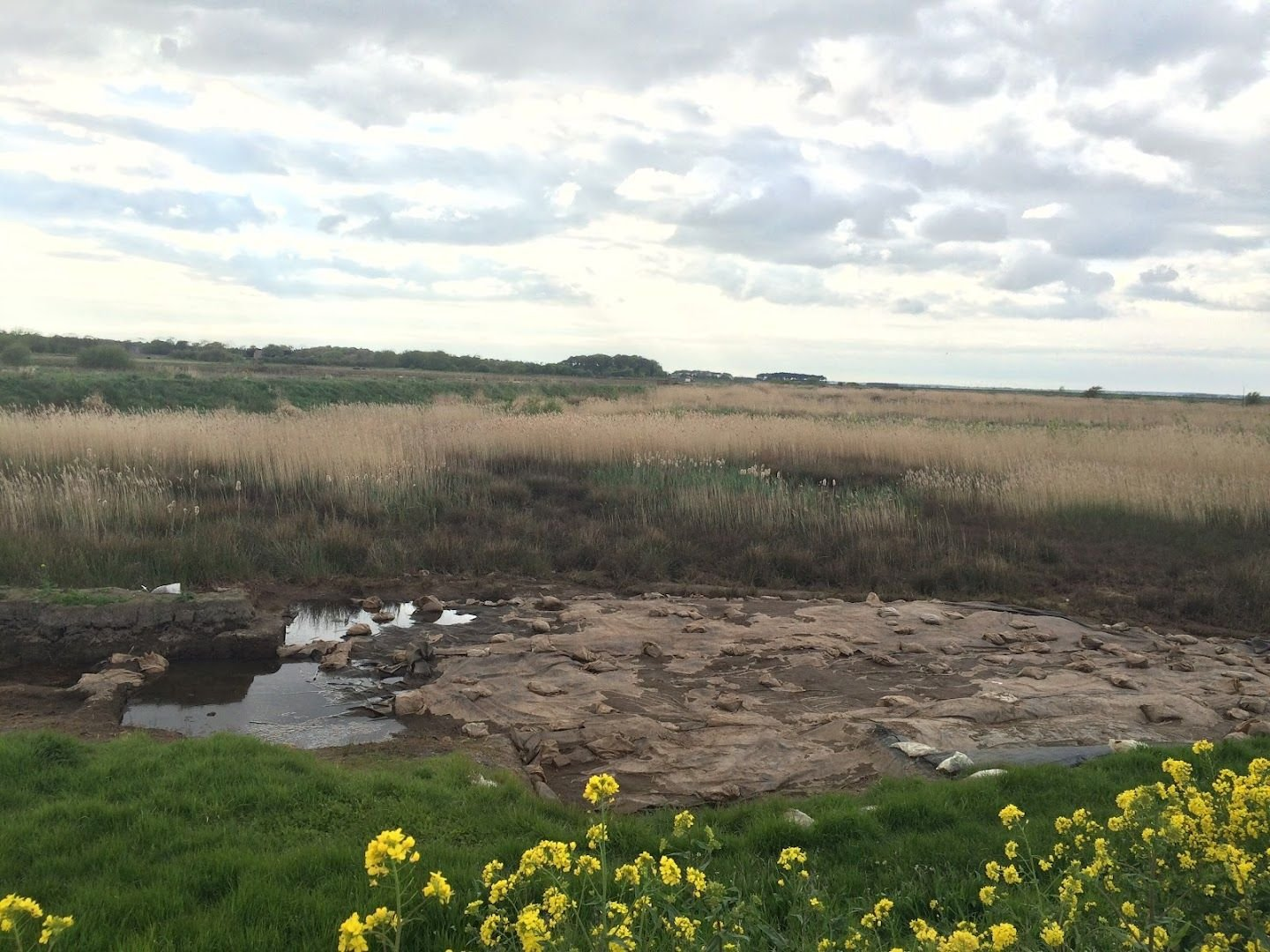
The area of the current reserve has revealed traces of ancient settlements that existed here thousands of years ago. Archaeologists have found tools, pottery fragments, and other household items belonging to the first inhabitants of these lands. These artefacts can now be seen in the Museum of Liverpool, and they provide an insight into what life was like when people were just beginning to settle in these parts.
Interestingly, the boggy soil helped preserve many traces of ancient activity. This is why Lunt Meadows is important not only for ecologists but also for historians: here, nature and culture literally intertwine. As you walk among the reeds and meadows, it’s worth remembering that the ground beneath your feet has witnessed entire epochs.
Visiting the Reserve: Impressions and Practicalities
Lunt Meadows is a place that appeals to more than just ornithologists. Regular residents of Liverpool and tourists have become frequent visitors to the reserve, as they seek a break from city noise. The atmosphere here is special: silence, space, and the feeling that you are far from civilisation, even though the city is very close. For many visitors, it’s a “green pause” in their daily hustle.
The reserve has a network of paths and special viewing screens, making it easy to observe birds without disturbing them. However, a walk here requires preparation: the paths can be slippery, and during heavy rain, parts of the route can become impassable bog. So, wellington boots or sturdy hiking footwear are a must for a comfortable visit.
There are also a few things to be aware of in advance. There are no bins on the premises, so visitors must take all their waste with them. For people using wheelchairs and for cyclists, the path is complicated by numerous gates and changes in terrain. At the same time, this is what keeps the reserve peaceful and protected from excessive human activity.
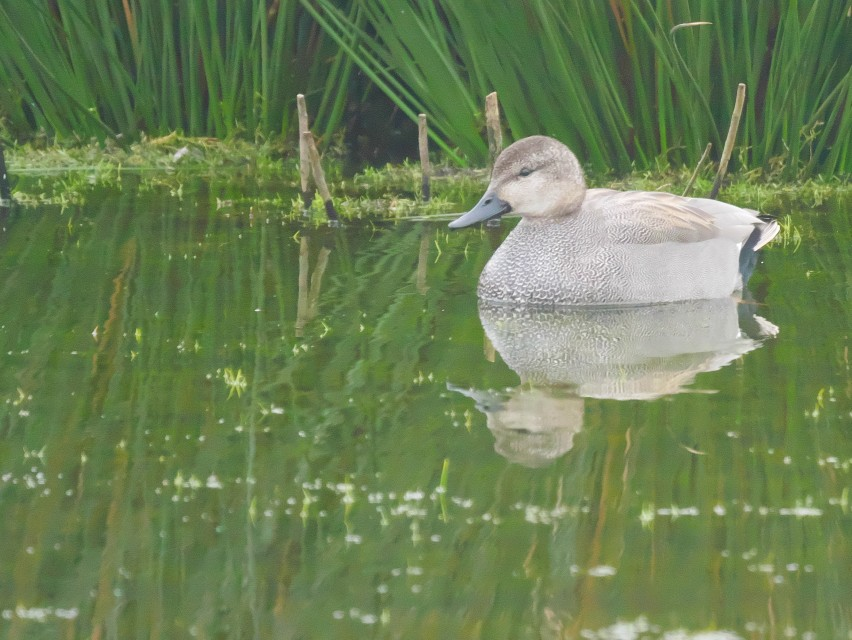
The best time to visit depends on what you want to see. In winter, flocks of geese and ducks gather here, in spring, the meadows come to life and songbirds return, and in autumn, you can witness the spectacular “aerial dances” of birds of prey. In any season, Lunt Meadows offers a genuine feeling of connection with nature.
The Future of Lunt Meadows: Nature and Community
In the 2020s, this reserve also became a site for large-scale environmental projects. In collaboration with the National Trust, the Lancashire Wildlife Trust, Sefton Council, and other organisations, tens of thousands of trees have been planted here. The goal is to create new forest and meadow habitats that will support biodiversity and help combat the effects of climate change.
The local community plays a vital role in this process. Hundreds of volunteers, from schoolchildren to pensioners, join the campaigns. For them, it’s an opportunity to leave a mark on the future of the area, contributing to the development of a “green heritage” for future generations.
Lunt Meadows is also attracting new researchers and nature lovers. People come here to see the barn owls, of which there are several pairs, as well as a multitude of other birds: pintails, mallards, herons, Canada and greylag geese, and mute swans. The so-called “Screen 1” above the main lake is particularly impressive, where you can see dozens of different species at once – from elegant divers to noisy ducks and geese. These moments make you realise that the future of this area directly depends on our attention and care.
In addition to the forests and wetlands, there are plans to create zones that can better absorb excess water and protect nearby villages from flooding. Lunt Meadows is thus transforming into a symbol of natural restoration: a place where the combined efforts of people and the power of ecosystems work together for the future.
The Reserve in the Wider Context of Merseyside’s Nature
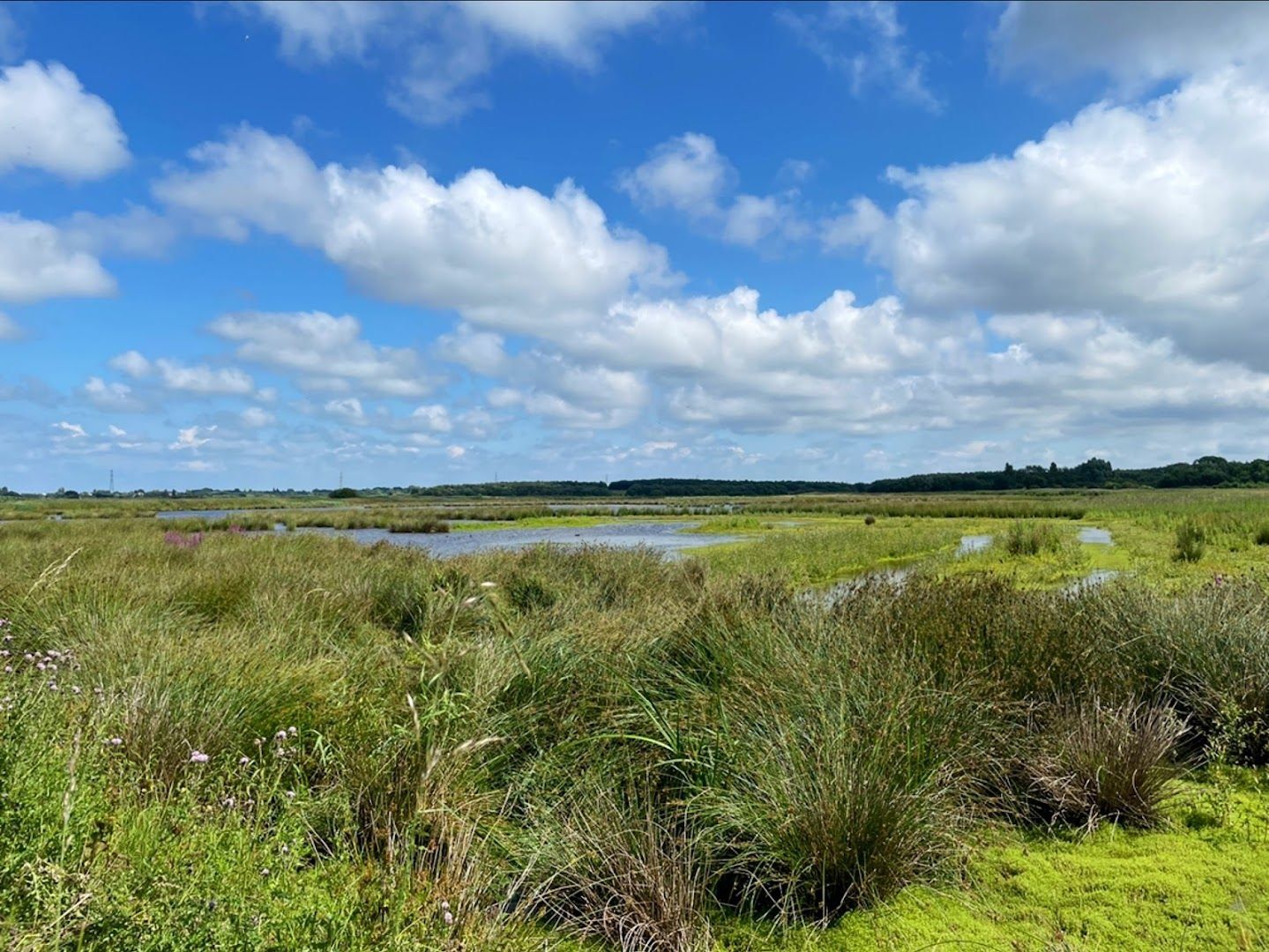
Lunt Meadows is not an isolated island of wilderness, but part of a larger ecological network that stretches along the coast of Merseyside and the River Mersey. Nearby are other protected areas – from the salt marshes of Formby to the sand dunes and woodlands of Sefton. All of them are interconnected: birds use these stops during seasonal migrations, and rare plants and insects spread because the continuity of habitats is preserved. This wider ecological system cannot be understood without the Mersey Estuary itself, which has become a key testing ground for modern approaches to shoreline restoration and working with natural processes rather than against them.
Thanks to this, Lunt Meadows acts as a kind of “green bridge” between different natural zones. The reserve holds water, serves as a refuge for animals, and becomes a place where city residents discover the richness of wild nature. In a time when urbanisation is shrinking the space for nature, such areas are worth their weight in gold. They allow us to feel like an integral part of it.
The Significance of this Natural Location for the Region
Lunt Meadows is a place where natural beauty, historical depth, and modern ecological aspirations are combined. Here you can feel a harmony with the environment that is reminiscent of George Harrison’s political views, or rather, his belief that true freedom is impossible without a connection to nature.
This reserve also perfectly illustrates how important it is to preserve green islands within and beyond the city limits. Just like Sefton Park in Liverpool, which has been awarded a “Green Flag,” Lunt Meadows is an example of how nature can coexist with the city and inspire care for the environment. It’s a place worth seeing at least once to feel how strong the connection between humans and nature can be.