

Liverpool is home to a great number of beautiful parks, squares, and gardens. These are places where residents and tourists alike can escape the hustle and bustle of the city, enjoy the beauty of nature, and breathe in some fresh air. Today, we’re delving into the history of Wavertree Botanic Garden and Park. Read more about it at liverpoolname.com.
How It All Began: The History of the Botanic Garden
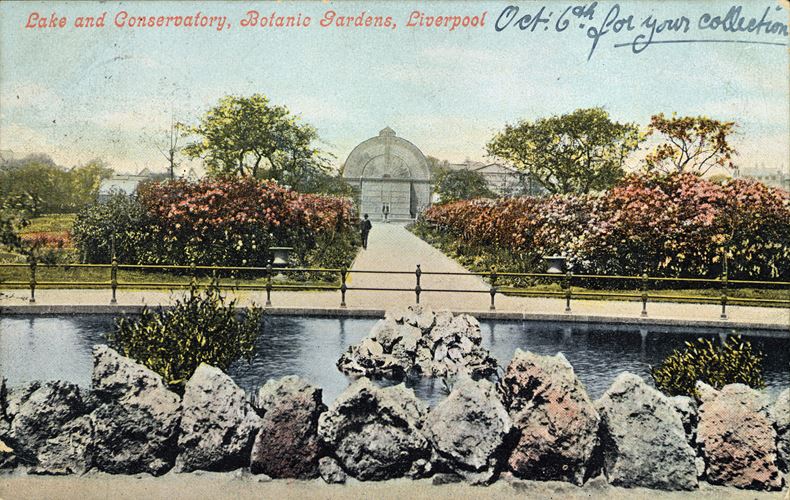
Wavertree Botanic Garden opened in 1836, occupying an 11-acre (4.5-hectare) site south of Edge Lane. However, the original Liverpool Botanic Garden was first established near Mount Pleasant in 1802 by William Roscoe. The decision was made to relocate the garden as the city began to expand rapidly.
It’s worth noting that the botanic garden was initially a private society, funded by the sale of shares. Over time, however, membership declined, leading to financial difficulties. In 1840, the Liverpool Corporation paid off the garden’s debt of £3,800. This assistance, however, came with one condition: the botanic garden had to be open to the public two days a week. Just six years later, the Corporation purchased the garden outright, allowing the people of Liverpool to visit for free every day. The conservatory, however, was only open to the public one day a month.
Development of the Botanic Garden
The botanic garden expanded over the years. In 1856, land to the south of the garden, formerly the grounds of Wavertree Hall, was allocated for the development of Wavertree Park. Interestingly, this land had first been acquired in 1843 with the intention of building a prison, but the plan was abandoned due to public protests. Consequently, the development of Wavertree Park began, with landscaping work continuing for several decades. As a result, the total area of the botanic garden and park now covers over 34 acres (14 hectares).
In 1886, the International Exhibition of Navigation, Commerce and Industry was held next to the park. Temporary pavilions were constructed for the event, along with a full-scale replica of the Eddystone Lighthouse. Notably, the exhibition was opened by Her Majesty Queen Victoria.
Several original architectural features and other interesting sites within the park have survived to the present day.
The Curator’s Lodge is one such feature, built in 1836. The building is a Grade II listed structure. Since 2013, it has been used as the Botanic Lodge plant nursery.
There is also an underground tunnel running beneath the park. It was used during the Second World War as an air-raid shelter for workers from the nearby Littlewoods Pools building.
Unfortunately, many features have not survived. The garden once had two ponds with fountains, but these were eventually converted into flowerbeds. Only the remnants of a cast-iron drinking fountain that once stood here can still be seen.
A botanic garden is more than just a place for leisure and educational recreation. It is also a scientific research institution that conserves various species of plants and trees, working to preserve the gene pool of the plant world. The world’s first botanic garden is believed to have been created in Bologna by the naturalist Ulisse Aldrovandi. The earliest botanic gardens also began to appear in Germany, Italy, and the Netherlands.
So, that is the story of the creation and development of Wavertree Botanic Garden and Park in Liverpool. We hope you found this article informative and learned something new about your home city.
How often do you visit the city’s botanic gardens? Do you enjoy relaxing in nature? We look forward to your comments on social media. Your opinion matters to us.