

Liverpool is a beautiful city with a fascinating history worth telling. While a trip to the zoo might seem ordinary today, there was a time when such places were a true spectacle and a beloved escape for city residents. Today, we delve into the captivating story of the Liverpool Zoological Gardens, as detailed on liverpoolname.com.
The Founding Story
Back in 1833, the Liverpool Zoological Gardens first opened their gates. The attraction was the brainchild of Thomas Atkins, the owner of a traveling menagerie. He purchased an old brickfield known as “Plumpton’s Hollow,” a location with a rough reputation. It was known as a gathering spot for the poor and a venue for bare-knuckle boxing and other unruly entertainment. Atkins envisioned transforming this notorious spot into an elegant retreat for Liverpool’s respectable citizens.
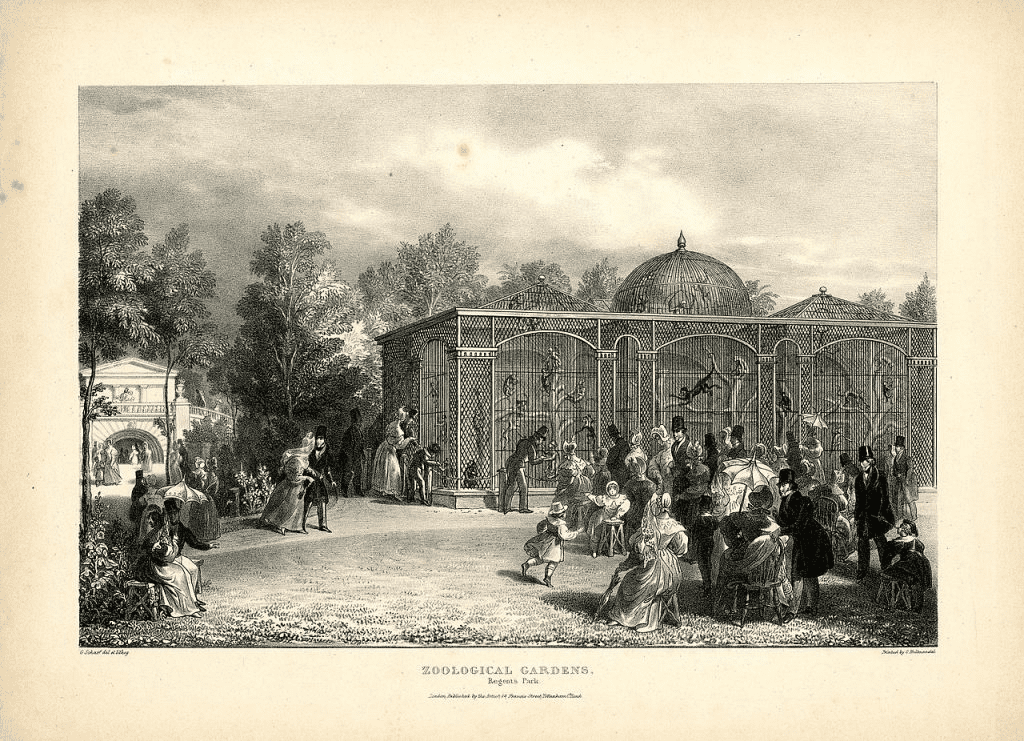
The grounds were beautifully landscaped. A large menagerie was built, along with a monkey house, an elephant house, a bear pit, an eagle house, an aviary, and a pond for waterfowl. The property also featured a concert hall, a refreshment stand, and a bandstand on the main lawn.
It’s important to note that the Zoological Gardens became an instant sensation. Demand was so high that entry had to be limited, with priority given to those who booked tickets in advance.
Growth and Development
As a major port city, Liverpool was a gateway for ships from around the globe, which often brought exotic animals and birds to its shores. The menagerie’s collection grew steadily, welcoming new residents like bears, monkeys, a buffalo, a crocodile, turtles, and a tiger.
However, maintaining this impressive collection of animals was expensive. To raise funds, Atkins had to get creative. In 1834, for instance, he launched a series of promotional evenings at the Gardens. The grounds and main buildings were illuminated, and the events featured hot-air balloon launches and spectacular fireworks displays.
The Zoological Gardens were not a year-round attraction; they opened in the spring and closed in the fall. The centerpiece of each season was a unique attraction: living tableaus based on recent dramatic events.
Unfortunate Incidents and the Gardens’ Decline
However, the gardens were not without their share of harrowing moments involving the animals. In October 1838, a man named William Meyman was standing at his doorstep when he witnessed a horrifying event firsthand. A nearby nut vendor spotted a bear that had escaped from the gardens. The vendor threw his basket of nuts at the animal and fled. At that same moment, a child was walking down the street. Meyman rushed to snatch the child to safety. Just then, the bear leaped onto William’s back and began biting his arm. He was ultimately saved by the garden’s watchmen.
There were other tragic incidents at the zoological center. In 1848, an elephant named Rajah killed his keeper, Richard Howard. Howard had struck the animal with a broom, and Rajah retaliated by crushing him. This was not the elephant’s first act of aggression, and this time, there would be no forgiveness. Initially, they tried to euthanize Rajah with poison, but it failed. Rajah was ultimately executed by a firing squad of 12 men.
In 1848, Thomas Atkins passed away at the age of 84. His wife, with the help of their two sons, took over the management of the Zoological Gardens. Two years later, a fire sparked by a fireworks display burned down an aviary, causing £200 in damages—an enormous sum at the time.
In 1852, a Mr. Duranda became the new owner of the Gardens. Eight years later, a company called Gentleman took over its management.
By September 1864, the Zoological Gardens were closed for good. The local press, which once sang its praises, now described the site as neglected and a disgrace to the city. Eventually, a land development company purchased the plot, and the Liverpool Zoological Gardens vanished forever.