

Making the city greener and giving its residents cleaner air to breathe! This is becoming a reality in Liverpool—a city that faces its share of environmental challenges but, as we’ll see, is far from a lost cause. What exactly is being done, and what role do parks and green spaces play in the city’s environmental sustainability? Find out more at liverpoolname.com.
Innovative Ideas for Greening Liverpool
Liverpool has been named one of six cities in the world implementing innovative ideas to green its city centre, reports bbcearth.com. These initiatives can vary widely, but the main goal is to integrate greenery directly into the urban landscape to enhance the well-being of residents.
The English city earned its place on this prestigious list thanks to the transformation of the concrete exterior of the St John’s Shopping Centre. A lifeless concrete wall was converted into a ‘living wall’—a vertical garden comprising 14,000 evergreen plants. Installed in 2020, the wall helps to reduce pollution from the adjacent bus station.
In 2021, two beehives, each housing 20,000 bees, were added to the shopping centre’s roof. Staff received training and now look after the bees. They settled in well, and within a year, the first honey harvest from these hives filled 180 jars. The bees not only pollinate the living wall but also support the ecosystem within a 5 km radius.
The Parks Strategy
Liverpool has also developed a Parks Strategy aimed at preserving and enhancing the city’s green areas, including parks, squares, and other open spaces. This strategy focuses on long-term planning, improving park management, and creating a network of high-quality green spaces accessible to all residents.
Liverpool’s parks have a rich history and are a vital resource for recreation, education, health, and tourism. They not only provide opportunities for active leisure but also contribute to preserving biodiversity, supporting ecosystems, and improving the quality of life. The strategy also acknowledges the impact of green spaces on reducing stress and boosting mental health.
Furthermore, parks play a crucial role in making the city more attractive to businesses, which in turn promotes economic development. It is known that the presence of green spaces near residential properties can increase their value by up to 30%. Thus, the parks achieve a dual purpose: improving the quality of life while fostering economic growth and investment.
Liverpool City Council is actively involving local communities in park management to help reduce levels of anti-social behaviour. Young people are taught to value green spaces more and to use the available resources effectively. As a result, parks, traditionally seen as places for recreation, are also becoming vital components of the city’s social and economic life.
The Parks Strategy also includes maintaining the natural beauty of places like Sefton Park, Calderstones Park, and Princes Park. These are true gems of the city, home to numerous species of plants and animals. Among them, for instance, is the Allerton Oak in Calderstones Park, estimated to be a thousand years old and considered the oldest oak in North West England. It is believed to have been the site of a medieval Hundred Court. Unfortunately, the oak was damaged by a gunpowder explosion but survived. It also won the ‘England’s Tree of the Year’ competition in 2019.
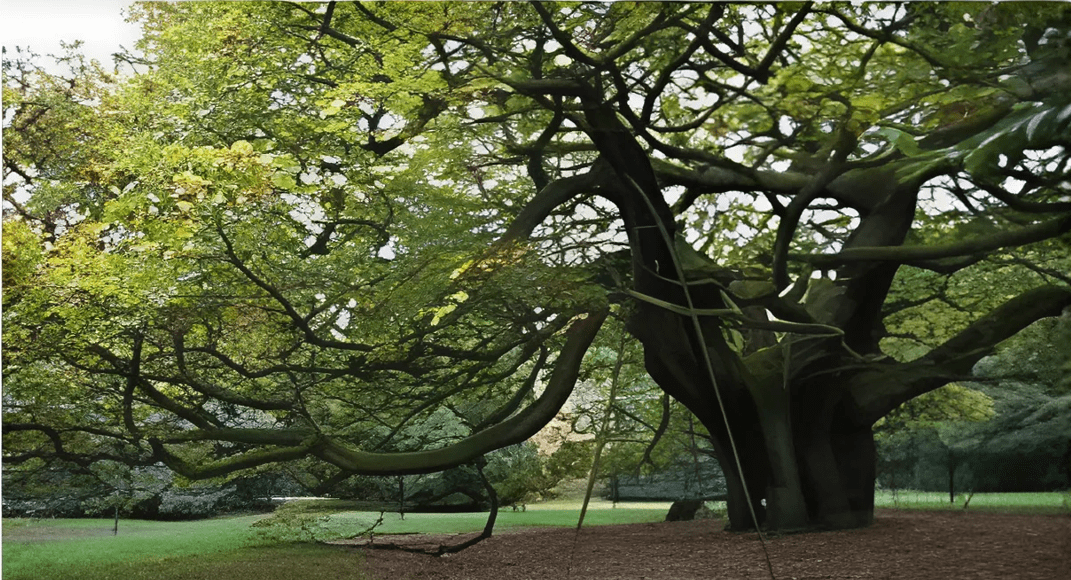
Such places, along with initiatives like sustainable transport, play a key role in supporting Liverpool’s biodiversity and ecosystems. They are crucial for the environment and for improving the ecological health of the region.